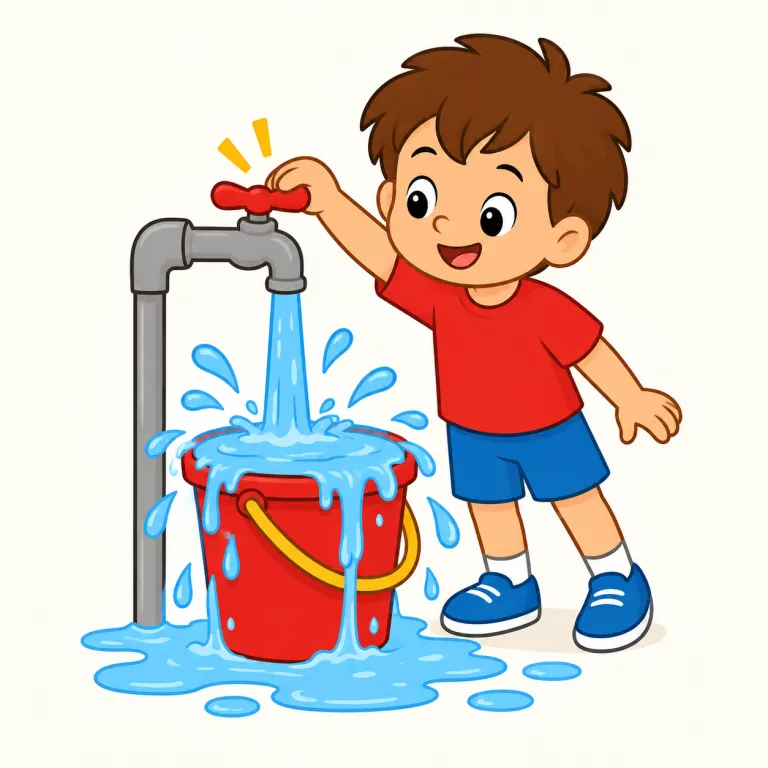
無駄遣い
解説 Definition
wasting は waste(無駄にする)の動名詞で、無駄遣いや浪費という意味です。時間・お金・資源などを有効に使わず失うことを表します。
Wasting is the gerund form of waste and refers to using time, money, food, energy, or other resources carelessly or without a useful result. It presents the action of losing something valuable through ineffective or unnecessary use as a noun.
覚え方のコツ Memory Tip
waste の語末の黙字 e を取って -ing を付けた形で、発音は waste /weɪst/ に /ɪŋ/ が続く。ここでは動名詞として「無駄にすること」を表し、wasting money、wasting time、wasting food のように、価値あるものを役立てず失う対象と組み合わせる。名詞 waste「廃棄物」と混同しない。
Wasting is formed from waste by dropping the final silent e before adding -ing. Its pronunciation extends /weɪst/ with an “-ing” sound. Here it functions as a gerund: the action “to waste” becomes a noun-like expression, as in Wasting money is a bad habit. Attach it to valuable resources that can be lost without benefit: wasting time, wasting food, wasting energy, or wasting money. This pattern emphasizes an unnecessary or ineffective use. Do not confuse the activity expressed by wasting with the noun waste, which can also mean unwanted material or rubbish.
例文
Wasting money is a bad habit.
お金の無駄遣いはよくない習慣です。
She wants to stop wasting time online.
彼女はネットで時間を無駄にするのをやめたいと思っています。
Wasting food is a serious problem.
食べ物の無駄遣いは深刻な問題です。
wasting の類義語・関連語
類義語
対義語
wasting の語源・成り立ち Etymology
wasting は waste に -ing が付いた語で、waste は古フランス語 wast(e) を経てラテン語 vastare「荒らす・むだにする」にさかのぼります。もとは「荒れ地にする」感覚で、そこから「使って減らす」「無駄遣いする」という意味になりました。関連語は wasteful、devastate。
Wasting consists of waste plus the suffix -ing, with the final silent e of waste removed. Waste entered English through Anglo-French and Old North French forms related to Latin vastare, “to lay waste” or “devastate,” from vastus, “desolate” or “empty.” The sense moved from leaving land ruined or empty to using something until its value is needlessly lost.
同じレベルの語彙をもっと
外部辞書で調べる
この英単語をクイズで覚えよう