そうだとして何が悪い
idiom 熟語「What if I do?」「What if I am?」のように相手の非難や懸念を受けて、「そうだとして何が悪いのか」と反発する表現です。可能性を検討する疑問ではなく、相手の意見を退ける挑戦的または無関心な応答として使います。
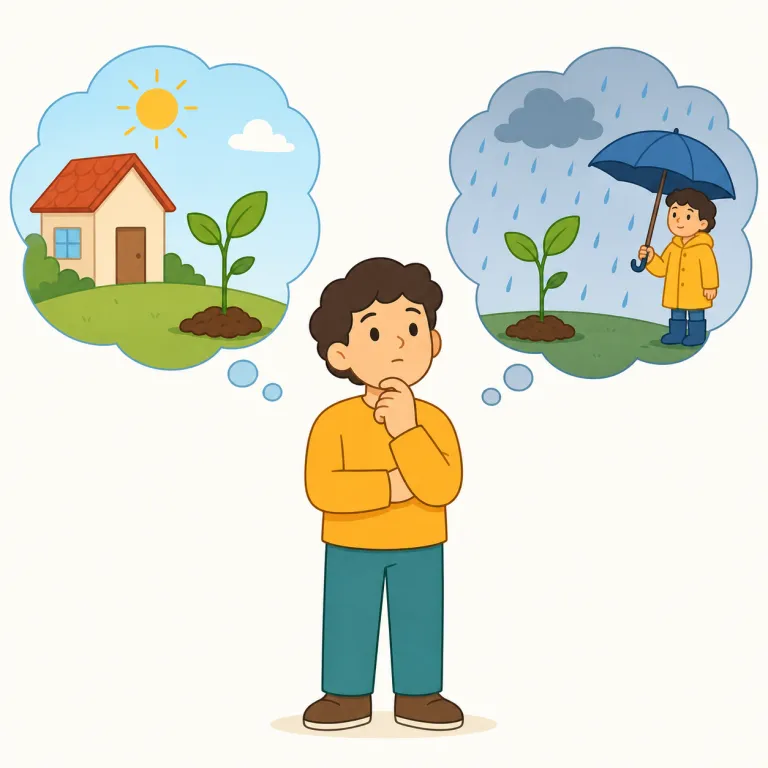
what if は英検準1級レベルの英熟語で、「もし〜なら」という意味があります。発音記号は /ˈwʌt ˈɪf/ です。
不確実な場面について「もし〜だったらどうするか」と仮定を投げかけるときに使う。未来の懸念や別の選択肢を想像したいとき、単に心配を共有したいときのきっかけとなる。日常会話でも相談や提案の中でよく登場する表現だ。
This expression is used to introduce a possible situation and ask about its result. It often shows worry, curiosity, or careful thinking about something that might happen. It is very common in everyday English.
"if"だけだと条件節の部品ですが、"what"が前につくと「それってどうなる?」という問いかけになり、仮定を会話に持ち込む定番表現だと覚えると残りやすいです。"What if I’m wrong?" は「もし間違っていたら?」、"What if we try again?" は不安だけでなく提案にも使えます。単なる if より一歩踏み込み、結果や対応を考え始める感じが核心です。"How about" の軽い提案とも違い、可能性を想像して話を動かす言い方として覚えると使い分けしやすいです。
`If` gives a condition, but `what if` turns it into a question about possible results. Think of it as opening a door to worry, imagination, or suggestion: `What if I’m wrong?` or `What if we try again?` Remember it as a full conversation phrase, not just the word `if`.
What if the train is delayed and we miss the meeting?
電車が遅れて会議に間に合わなかったらどうしよう。
She asked, 'What if we try the other route instead?'
彼女は『代わりに別のルートを試したらどう?』と尋ねた。
But what if the key does not work?
でも、もしその鍵が使えなかったらどうするのですか。
文脈によって、次の意味でも使われます。
「What if I do?」「What if I am?」のように相手の非難や懸念を受けて、「そうだとして何が悪いのか」と反発する表現です。可能性を検討する疑問ではなく、相手の意見を退ける挑戦的または無関心な応答として使います。
whatは古英語hwæt(何)、ifは古英語gif(もし)に由来。ゲルマン語系の基本語同士の組み合わせで「もし〜だったらどうなるか」という仮定疑問を表す。関連語にwhatever(何でも)、iffy(不確かな)がある。短い語の組み合わせで複雑な仮定を簡潔に表現する英語らしい慣用句。
This expression joins two very old Germanic words: what from Old English hwæt and if from Old English gif. Together they formed a short way to ask about an imagined situation and its possible result. Over time, what if became a fixed phrase for introducing doubts, possibilities, or hypothetical thinking. Related forms include whatever and iffy.
この英熟語をクイズで覚えよう