小門、くぐり戸
noun 名詞大きな門や塀などに設けられた、人が通るための小さな門や扉を指す。単独でも使われるが、wicket gate という形も一般的で、クリケットの用語とは異なる実物の出入り口を表す。
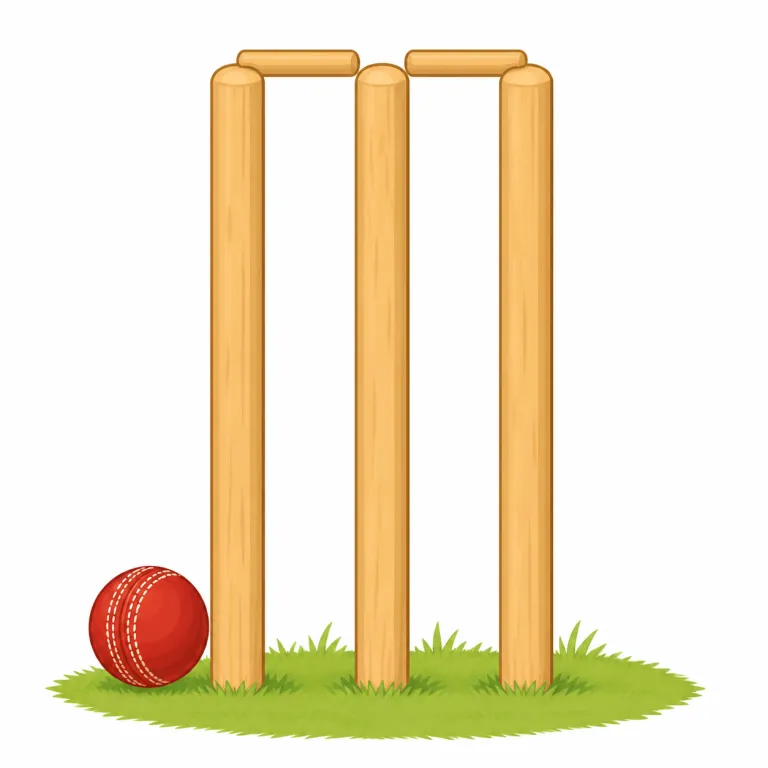
wicket は英検準1級レベルの英単語で、「(クリケットの)ウィケット」という意味があります。発音記号は /ˈwɪkɪt/ です。
クリケットで、三本の棒とその上に載る横木からなる、打者が守るべき装置を指します。投手がこれを倒すと打者はアウトになります。また文脈によっては、打者の退場や、球の弾み方に関わるピッチの状態を表す言い方としても用いられます。
In cricket, a wicket is the set of three wooden sticks with two small pieces on top at each end of the pitch. The batter protects it, and the bowler tries to hit it to get the batter out. The word can also be used more generally in cricket to talk about getting a player out.
まず cricket 文脈の基本語として、wicket = 打者の後ろに立つ三本の棒と横木のセット、と固定して覚えるのが近道です。試合では take a wicket「打者を1人アウトにする」、lose a wicket「打者を失う」のように、装置そのものと“その装置が倒れて成立するアウト”の両方を指します。stump は棒1本、wicket はその一式、という対比も有効。さらに sticky wicket は難しい状況の比喩としても有名で、cricket 由来の語感が残る表現として一緒に覚えると定着します。
Treat this as a cricket keyword first. A wicket is the full set behind the batter, and that helps you remember common phrases like take a wicket and lose a wicket. It also helps to compare it with stump, which is just one stick, not the whole set.
The ball struck the wicket and the batsman was out.
ボールがウィケットに当たり、打者はアウトになった。
He guarded the wicket carefully during the final overs.
彼は試合終盤のオーバーで慎重にウィケットを守った。
The bowler aimed straight at the wicket.
そのボウラーはまっすぐウィケットを狙った。
この語をはじめて出題された 48人 のうち 35人 が正解しました(73%)。
えいたんごクイズの回答から集計した独自データです。1人につき最初に出題されたときの1回だけを数えており、復習や2回目以降の回答、「わからない」と時間切れは含みません。 集計時点は 2026年9月19日 です。
文脈によって、次の意味でも使われます。
大きな門や塀などに設けられた、人が通るための小さな門や扉を指す。単独でも使われるが、wicket gate という形も一般的で、クリケットの用語とは異なる実物の出入り口を表す。
wicket はアングロ=フランス語・古北フランス語の wiket「小さな門」から来た語で、さらにゲルマン系にさかのぼるとされます。もとは大門ではなく人が一人通る小さい出入口のことで、近い語 guichet と並べると、改札のような「小さな通り口」の感じが見えます。
Wicket came into English from Anglo-French and Old North French wiket, meaning "small gate" or "small door." It is probably from a Germanic source. The word first meant a narrow entrance inside a larger gate, and later was used for other small framed openings; French guichet is a related word.
この英単語をクイズで覚えよう