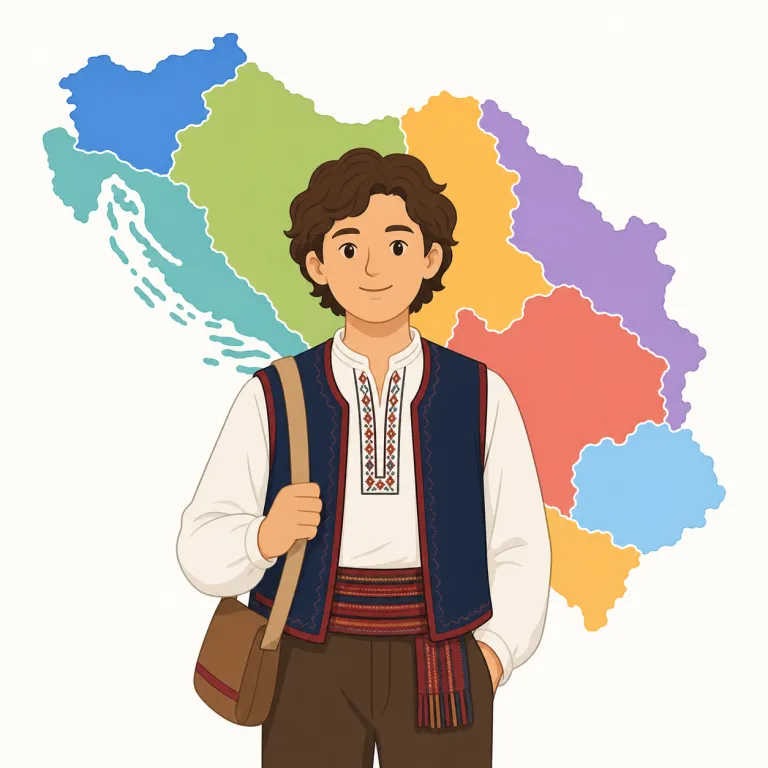
yugoslavian
yugoslavian はTOEIC 990・TOEFL 100・IELTS 7.5レベルの英単語で、「ユーゴスラビア人」という意味があります。発音記号は /ˌjuːɡoʊˈslɑːviən/ です。
ユーゴスラビア人
解説 Definition
かつて存在したユーゴスラビアに属していた人、またはその地域の出身者を指します。主に歴史・政治・文化の文脈で使われる呼称です。
A Yugoslavian is a person from Yugoslavia, a country in Southeast Europe that no longer exists. The word is mainly used in historical, political, or cultural contexts. Today, people are more often described by the modern countries they come from, such as Serbia, Croatia, or Slovenia.
使い方 Usage
- 通常は Yugoslavian と大文字で始めます。一人なら a Yugoslavian、複数なら Yugoslavians です。 Normally capitalize Yugoslavian. Use a Yugoslavian for one person and Yugoslavians for more than one.
覚え方のコツ Memory Tip
国名 Yugoslavia と、人を表す語に見られる末尾 -ian を結びつけましょう。Canadian や Italian と同じように、「その国の人」というイメージで覚えます。
Connect Yugoslavian with Yugoslavia and the ending -ian seen in words for people, such as Canadian and Italian. Picture a person from that country.
例文
My grandfather was a Yugoslavian from Belgrade who left during the 1990s conflict.
私の祖父はベオグラード出身のユーゴスラビア人で、1990年代の紛争のさなかに祖国を離れました。
As a Yugoslavian, she carried memories of a multiethnic nation that no longer existed.
ユーゴスラビア人として、彼女はすでに存在しない多民族国家の記憶を胸に抱いていました。
yugoslavian の語源・成り立ち Etymology
Yugoslavian は Yugoslavia + -ian で、国名はセルビア・クロアチア語系 Jugoslavija に由来します。Yugo- は jug「南」、-slav- は「スラヴ人」で、直訳すれば「南スラヴの国の人」;Slavic や Slav と同じ語根です。
Yugoslavian comes from Yugoslavia with the ending -ian. The country name comes from South Slavic forms meaning "south" plus "Slav," so the original sense was "South Slav." The word therefore meant a person from that country, and it is related to Slav and Slavic.
同じレベルの語彙をもっと
TOEIC 990の一覧へ →外部辞書で調べる
この英単語をクイズで覚えよう