agenda
agenda は英検準2級・TOEIC 730・TOEFL 60・IELTS 5.5レベルの英単語で、「議題、行動計画、予定」という意味があります。発音記号は /əˈdʒɛndə/ です。
意味一覧 (3件)
議題
解説 Definition
議題(ぎだい)とは、会議や討論で取り上げる予定のテーマや話題のことです。議題を事前に決めることで、会議を効率的に進めることができます。議題一覧表を配布して参加者に周知します。
An agenda is a list of topics or things to be discussed, especially in a meeting. It helps people know the order of the discussion and what needs attention. In formal situations, this is the most common meaning of the word.
覚え方のコツ Memory Tip
agenda は「会議でこれから扱う項目の並び」として覚えると定着しやすいです。action や agent を知っていれば、「話を前に進めるための項目表」と結びつけると意味が取りやすくなります。単なる schedule よりも、meeting agenda のように会議・打ち合わせの議題リストで使うのが中心。minutes は会議後の議事録、agenda は会議前に共有するもの、という対比で覚えると混同しません。
Think of an agenda as the list that helps a meeting move forward. It is often used in the phrase `meeting agenda`. To avoid confusion, remember: the agenda comes before the meeting, but the minutes come after it.
例文
The agenda is on the desk.
議題の一覧は机の上にあります。
Our agenda has three topics.
議題は3つあります。
Please read the agenda first.
まず議題の一覧に目を通してください。
えいたんごクイズでの正答率
この語をはじめて出題された 33人 のうち 26人 が正解しました(79%)。
えいたんごクイズの回答から集計した独自データです。1人につき最初に出題されたときの1回だけを数えており、復習や2回目以降の回答、「わからない」と時間切れは含みません。 集計時点は 2026年9月19日 です。
行動計画
(意味 2)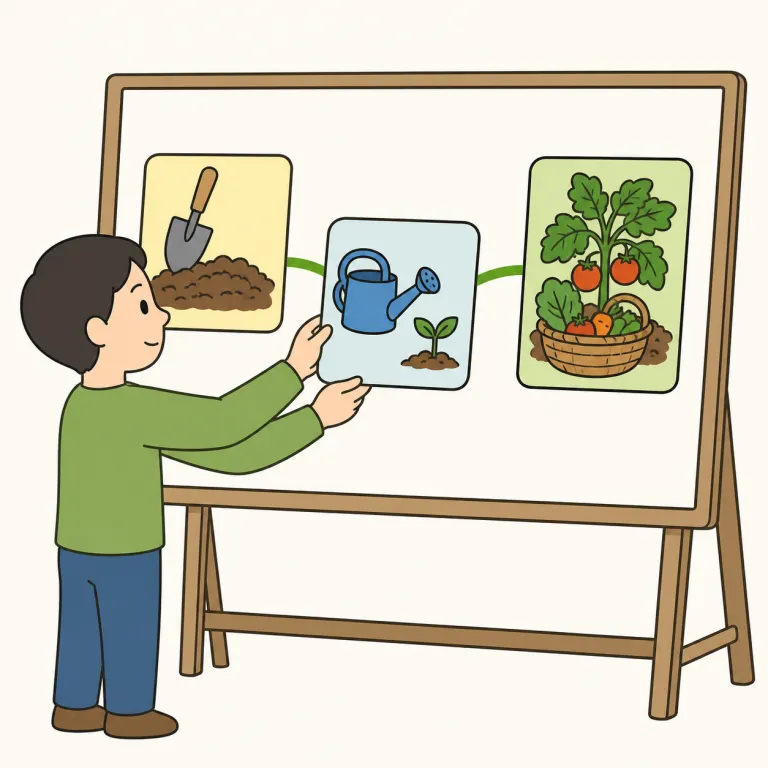
解説 Definition
agenda が組織・政党・団体などの目標達成のための行動計画や推進方針を指す用法。社会問題、政策、事業拡大などで、何を優先して進めるかという方向性を表し、発表された重点施策や長期的な取り組みを述べるときによく使う。単なる日程ではなく、実現したい内容そのものに焦点がある。
A set of goals and priorities that an organization or political group intends to pursue. It describes the changes or results the group wants to achieve through its actions.
覚え方のコツ Memory Tip
agenda は「組織がこれから実現したいことを前に進める行動計画」として覚えると定着しやすいです。action や agent を知っていれば、「動かすべき課題を並べた推進方針」と結びつけると意味が取りやすくなります。単なる schedule よりも、policy agenda や reform agenda のように政策・改革・事業の優先課題で使うのが中心。meeting agenda は会議の議題表、この語義の agenda は組織が実際に進めたい計画、という対比で覚えると混同しません。
Connect agenda with action and picture an organization listing the changes it wants to make. Phrases such as "policy agenda" and "reform agenda" highlight the priorities it plans to carry forward.
例文
The school set an agenda for cleaner classrooms.
学校は教室をより清潔にする行動計画を立てた。
Our agenda puts better schools first.
私たちの行動計画は学校の改善を最優先にしている。
The company agenda calls for three new stores.
会社の行動計画では新店舗を3店設けることになっている。
予定
(意味 3)
解説 Definition
agenda が「議題」ではなく、ある日や一定期間に入っている予定ややることの並びを指す用法。仕事・出張・学校行事などで、その人のスケジュールが詰まっているか空いているかを述べるときによく使う。個人の手帳の予定から公的日程まで広く使え、会議で話し合う項目一覧という意味とは区別される。
The planned activities and tasks for a particular day or period. This noun is used when describing what someone has arranged to do and how busy that period will be.
覚え方のコツ Memory Tip
agenda は「これからやることの並び」として覚えると定着しやすいです。action や agent を知っていれば、「自分が動いてこなす予定表」と結びつけると意味が取りやすくなります。meeting agenda のような会議の議題だけでなく、my agenda for tomorrow, clear one's agenda のように個人の予定にも使えます。schedule は時間割そのもの寄り、agenda はそこに入っている用事ややることの並び、という対比で覚えると混同しません。
Picture a row of activities you plan to carry out tomorrow, connecting agenda with action. Learn "my agenda for tomorrow" and "clear one's agenda" to remember the activities filling your day.
例文
My agenda has two meetings tomorrow.
明日の予定には会議が二つ入っている。
She cleared her agenda for the afternoon so she could focus on writing.
彼女は執筆に集中できるよう、午後の予定を空けた。
The manager's agenda is packed until Friday.
その部長の予定は金曜日までぎっしり詰まっている。
agenda の類義語・関連語
類義語
agenda の語源・成り立ち Etymology
ラテン語 agenda(なされるべき事柄)から。動詞 agere(行う・動かす)の未来受動分詞の複数形。agent(代理人)や action(行動)も同根語。「これから行うべきこと」の一覧が転じて「議題・予定表」となった。
From Latin agenda, meaning "things to be done," the plural of a future passive form of agere, "to do" or "to drive." It is related to English words like action and agent. The idea of "things that should be done" later became the list of items to be dealt with in a meeting or plan.
同じレベルの語彙をもっと
英検準2級の一覧へ →外部辞書で調べる
この英単語をクイズで覚えよう