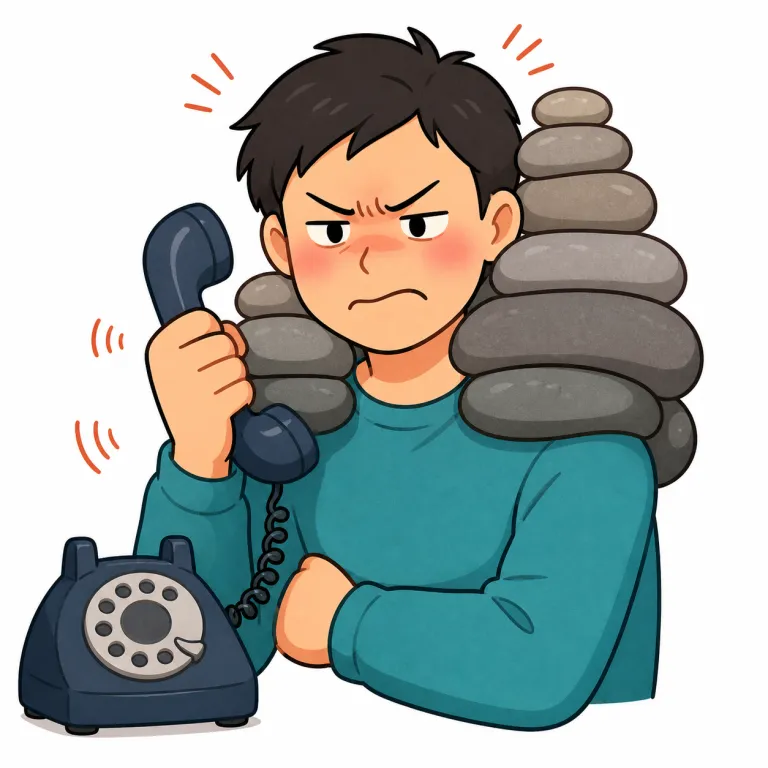
いら立った
解説 Definition
人が不便さや失礼、繰り返し起こる問題などに強くいら立っている状態を表す形容詞です。単なる不満より感情の高ぶりが強く、怒りがにじむ口語的な言い方として使われます。
Feeling strongly irritated or annoyed because of inconvenience, rude behavior, or a repeated problem. It suggests more emotional intensity than ordinary dissatisfaction and may include visible anger.
覚え方のコツ Memory Tip
aggravated は「心に重さがどんどん乗って、いら立ちが増す」と押さえると残りやすい語。aggravate には「悪化させる」のほか、人を「いら立たせる」意味もあり、その過去分詞形で「いら立った」。長く待たされたり、何度も邪魔されたりして、声や態度に怒りが出る感じです。an aggravated injury や aggravated assault の「悪化した・加重された」とは別に、人の感情が重く刺激されている場面で使うと覚えるとよいです。
Aggravate can mean to irritate someone, and aggravated describes the resulting feeling. Picture annoyance becoming heavier each time a delay or interruption happens.
例文
She sounded aggravated after waiting on hold for an hour.
彼女は1時間も保留で待たされて、いら立った様子だった。
He became aggravated when the kids kept interrupting him.
子どもたちが何度も話をさえぎったので、彼はいら立った。
Customers were aggravated by the repeated delays.
度重なる遅延に、客たちはいら立っていた。
悪化した
(意味 2)
解説 Definition
この語は、状況や症状などが以前よりさらに悪化して深刻さを増した状態を表す形容詞です。法律の文脈では、加害行為の程度が重くなっていることを指して「加重された」という意味でも使われます。人の感情について用いれば、苛立ちが強くなっているような状態を示すこともあります。
Aggravated means made worse or more serious. It is often used for problems, injuries, illnesses, or difficult situations that become stronger or harder to deal with. It can also describe a crime that is more serious because of special harmful conditions.
覚え方のコツ Memory Tip
aggravated は「もともと悪い・重いものが、さらに一段悪くなった」と押さえると残りやすい語。aggravate が「悪化させる」なので、その過去分詞形で「悪化した」。an aggravated injury ならけがや症状の悪化、aggravated assault なら事情が加わって罪が重くなった暴行。単なる bad や worse よりも、深刻さが増した硬い響きがあり、法律・医療の文脈で見たらこの語を疑うと覚えやすい。
Notice the base word `grave`, which suggests something serious or heavy. `Aggravated` is what you use when a problem becomes more serious than before, so think of a bad situation getting an extra push downward. It often appears in formal areas like law or medicine, which gives it a heavier tone than simple `worse`.
例文
His aggravated condition worried his family.
彼の悪化した容体を家族は心配した。
Her aggravated symptoms made it hard to sleep.
症状が悪化したため、彼女はなかなか眠れなかった。
The aggravated symptoms required immediate medical attention.
悪化した症状には、直ちに治療が必要だった。
いら立った
(意味 3)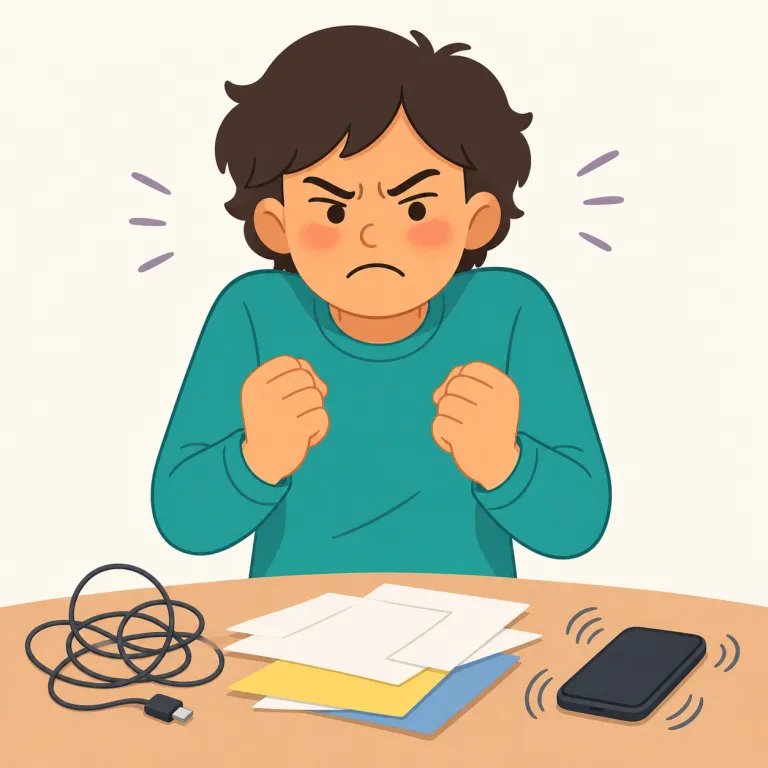
解説 Definition
人が不便さや失礼、繰り返し起こる問題などに強くいら立っている状態を表す形容詞です。単なる不満より感情の高ぶりが強く、怒りがにじむ口語的な言い方として使われます。
Feeling strongly annoyed or impatient because of an inconvenience, rude behavior, or a repeated problem. It suggests more visible anger than ordinary dissatisfaction and is common in informal speech.
覚え方のコツ Memory Tip
aggravated は「いら立ちが重くのしかかって、もう我慢しにくい」と押さえると残りやすい語。aggravate は問題を悪くしたり人をいら立たせたりするので、その過去分詞形で「いら立った」。待たされ続ける、何度も邪魔される、失礼な対応をされる場面で使います。an aggravated injury や aggravated assault のような医療・法律の「悪化した・罪が重い」とは切り分けて、人の声や表情に怒りがにじむ感じで覚えると定着します。
Aggravate can mean to make a problem worse or to irritate someone, so aggravated describes the resulting feeling. Picture someone whose patience has been worn down by repeated delays or interruptions, with annoyance showing in their voice or expression.
例文
She sounded aggravated after waiting on hold for an hour.
彼女は電話を保留にされたまま1時間も待たされて、いら立った様子だった。
He got aggravated when the kids kept interrupting him.
子どもたちが何度も話をさえぎったので、彼はいら立った。
Customers were aggravated by the repeated delays.
度重なる遅延に、客たちはいら立っていた。
aggravated の類義語・関連語
aggravated の語源・成り立ち Etymology
aggravated はラテン語 aggravare に由来し、ad-「〜へ」+ gravis「重い」から成ります。もとは「重くする」で、不快なことが心に重くのしかかる感覚から「いら立たせる・いら立った」へ伸びました。gravity や grave にも同じ『重さ』の発想が残ります。
Aggravated ultimately comes from Latin aggravare, formed from ad-, meaning “toward,” and gravis, meaning “heavy.” The idea of making something heavier developed into the sense of causing strong irritation.
同じレベルの語彙をもっと
外部辞書で調べる
この英単語をクイズで覚えよう