側対歩、アンブル
noun 名詞馬などの四足動物が、同じ側の前脚と後脚をほぼ同時に動かして進む歩法を指す。通常の歩行より滑らかに感じられることがあり、乗馬や馬の歩様を説明する専門的な文脈で使われる。
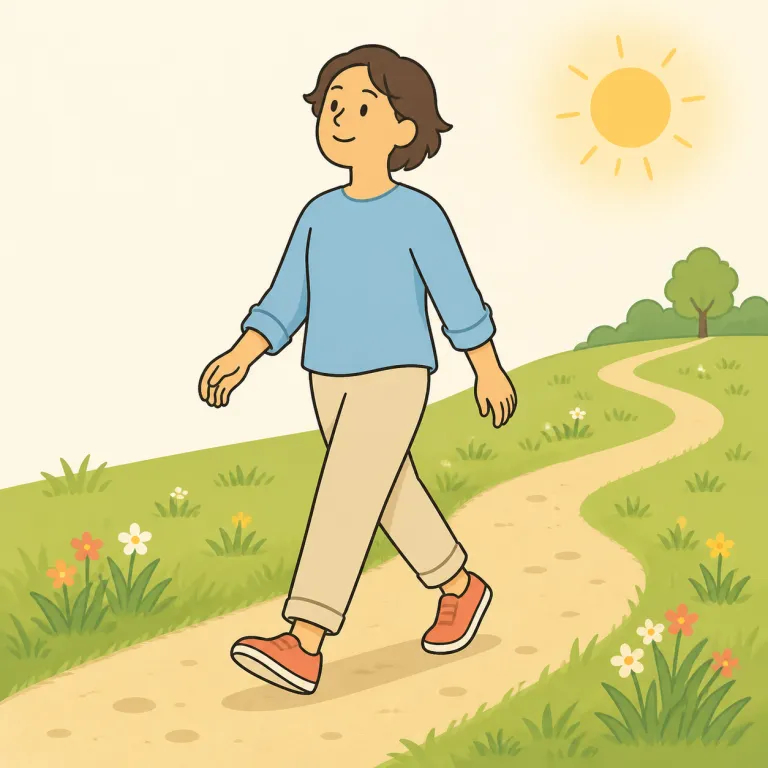
ゆっくりとのんびり歩くこと。急がずくつろいだ足取りで進む。
To amble means to walk in a slow, relaxed, easy way. It is often used when someone is moving without hurry, especially for pleasure. The word gives a gentle, calm feeling.
基本の walk よりも、amble は「速さをかなり落として、気楽に進む」語。stroll に近いが、散歩として歩くというより、肩の力が抜けた足取りそのものに焦点がある。run や hurry と対極に置くと覚えやすい。amble along, amble down the road の形で、道をのんびり進む情景ごと入れると定着する。人だけでなく馬や動物のゆったりした動きにもよく合い、wander のような「行き先のなさ」より、落ち着いた歩調を表す語だと区別すると混同しにくい。
`Amble` sounds softer and slower than `march`, so it suggests an easy, unplanned way of moving. To remember this rare sense, fix it in phrases like `amble around town` or `amble through the market`. It is more relaxed than `roam` and less purposeful than `walk straight to` somewhere.
We ambled through the countryside, enjoying the warm afternoon sun.
私たちは暖かい午後の日差しを楽しみながら田園地帯をのんびり歩いた。
The old couple ambled along the riverbank, hand in hand.
老夫婦は手をつないで川岸をゆっくり散歩した。
After lunch, she ambled to the bookshop with no particular hurry.
昼食後、彼女は特に急ぐこともなく本屋までぶらぶら歩いた。
文脈によって、次の意味でも使われます。
馬などの四足動物が、同じ側の前脚と後脚をほぼ同時に動かして進む歩法を指す。通常の歩行より滑らかに感じられることがあり、乗馬や馬の歩様を説明する専門的な文脈で使われる。
amble は古フランス語 ambler を経て、ラテン語 ambulare「歩く・歩き回る」に由来する。amb-「周りに」の感覚を含み、急がずあちこち歩くイメージから、ゆっくりのんびり歩く意味になった。関連語は ambulance, ambulant。
Amble came into English from Old French ambler, from Latin ambulare, meaning "to walk." Over time, the sense narrowed from walking in general to walking in an easy, relaxed way. It shares its root with words like ambulance and ambulant.
この英単語をクイズで覚えよう