周歩廊、回廊
noun 名詞教会堂の内陣や祭壇の後方を取り囲み、参拝者が歩いて通れるように設けられた通路です。建築用語として使われ、歩行可能な患者を表す形容詞用法とは異なります。
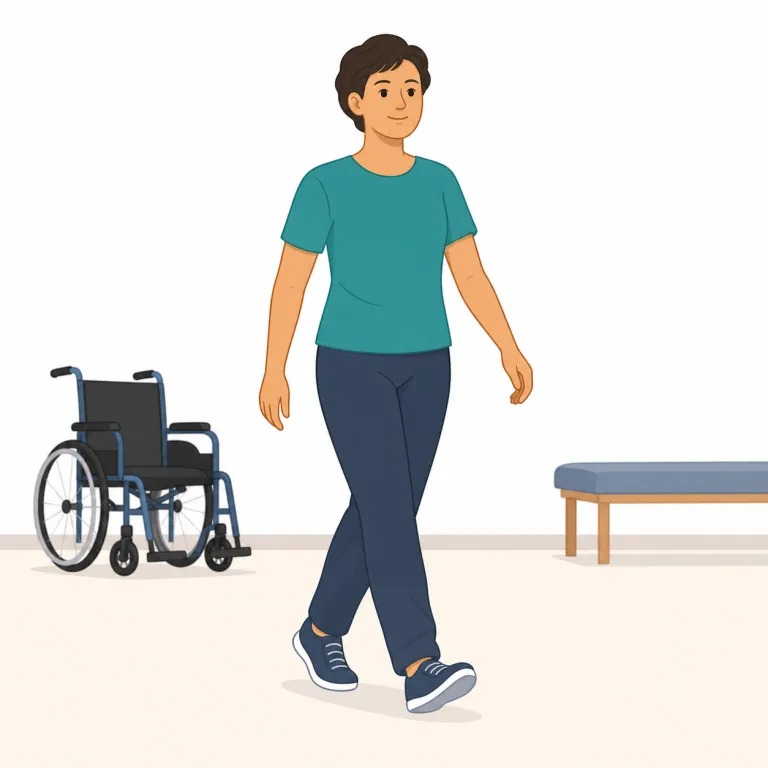
歩行が可能な状態や歩行に関連する性質を表す形容詞。医学では、自力で歩ける患者や歩いて移動できることが前提の処置・検査などを指す。外来治療や通院のように入院を伴わずに行う医療にも使われる語句である。
Ambulatory means able to walk or move around, especially after illness or injury. In medical contexts, it often describes care or treatment for patients who do not need to stay overnight in a hospital.
中心イメージは「歩いて動ける」。医療で ambulatory patient なら「寝たきりではなく自力で歩ける患者」、ambulatory care / surgery なら「入院せず来院して、その日のうちに帰れる外来医療」と結び付けると覚えやすい。outpatient と近いが、ambulatory は「歩行・移動可能」という身体状態までにじむのがポイント。語尾 -ory は「〜に関する」なので、歩行・外来に関する語だと押さえる。
Learn this through medical collocations: `ambulatory care`, `ambulatory surgery`, `ambulatory clinic`. If you see `ambulatory` before a service or facility, think of treatment without staying in the hospital. Keeping it with `outpatient` language makes it easier to remember.
The patient was ambulatory after the surgery.
その患者は手術後に歩行可能な状態になった。
Ambulatory care allows patients to receive treatment without hospitalization.
外来治療により、患者は入院せずに治療を受けることができる。
By the next day, she was ambulatory and was discharged within a week.
翌日には彼女は歩ける状態になり、1週間以内に退院した。
文脈によって、次の意味でも使われます。
教会堂の内陣や祭壇の後方を取り囲み、参拝者が歩いて通れるように設けられた通路です。建築用語として使われ、歩行可能な患者を表す形容詞用法とは異なります。
ambulatoryはラテン語ambulare「歩く」からできたambulat-に、-ory「〜に関する」が付いた語です。原義は「歩いて動ける」で、入院せず通える外来や歩行用を指すのは納得できます。ambleやsomnambulistも同じ「歩く」感覚の仲間です。
Ambulatory comes from Latin ambulare, meaning "to walk," with the adjective ending -ory. Its earliest sense was "connected with walking" or "able to move about." Related words such as amble and somnambulist show the same root idea of walking.
この英単語をクイズで覚えよう