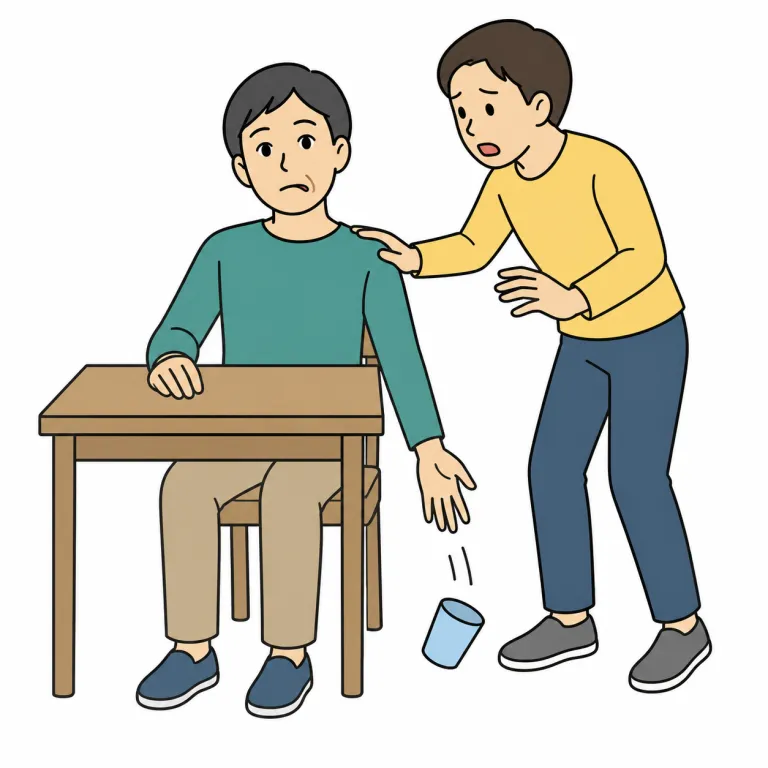
激怒、憤激
noun 名詞主にやや古風または誇張的な表現で、抑えきれないほど激しい怒りや憤激の状態を指します。have apoplexyなどの形で用いられ、現代の日常会話ではしばしばユーモラスな響きを伴います。
脳卒中。脳内の出血や血栓によって突然意識喪失や身体機能麻痺が生じる症状。現代医学ではストロークと呼ばれることが多い。
Apoplexy is an old medical word for a stroke or a sudden loss of movement and consciousness caused by bleeding in the brain. In modern English, it is mostly historical or literary rather than a common medical term. It can also sometimes mean extreme anger in informal older usage.
まず `stroke` を基準語に置き、`apoplexy` はその古風・医学史寄りの言い方だと整理すると覚えやすいです。コアイメージは「突然ばたりと倒れる急変」。硬く重い響きそのものを、脳内出血や血栓で一気に意識や機能が落ちる場面に結びつけます。現代の実用語では `stroke` が普通なので、文献や古い文章で `apoplexy` を見たら「脳卒中の古めの表現」と判断できれば十分です。関連形 `apoplectic` は「脳卒中の」に加えて「激怒した」の意味もあるため、「急に顔色や状態が変わる」という共通イメージでまとめると混同しにくくなります。
Use stroke as your anchor word, and store apoplexy as the older, more formal term you may meet in historical or medical writing. Its heavy sound fits the image of a sudden collapse, which makes it memorable. You can also connect apoplectic, which shares the same root and often suggests a dramatic sudden change.
During the 18th century, apoplexy was a common cause of sudden death.
18世紀には、脳卒中は突然死の一般的な原因だった。
The patient suffered an apoplexy that left him partially paralyzed.
患者は脳卒中を患い、部分的に麻痺した。
Medical texts from that era frequently mention apoplexy as a cause of death.
その時代の医学文献では、脳卒中が死因として頻繁に挙げられている。
文脈によって、次の意味でも使われます。
主にやや古風または誇張的な表現で、抑えきれないほど激しい怒りや憤激の状態を指します。have apoplexyなどの形で用いられ、現代の日常会話ではしばしばユーモラスな響きを伴います。
apoplexy はギリシャ語 apoplexia にさかのぼり、apo-「離れて」+ plessein「打つ」から成ります。原義は「一撃で打ち倒されること」で、脳卒中が突然人を倒す感覚がそのまま語義になりました。apoplectic や plague も同じ「打つ」系です。
Apoplexy comes from Greek apoplexia. It is built from apo- meaning "away" and a verb meaning "to strike," so the earliest sense was being struck down suddenly. That image shaped the later medical use in English. Related forms include apoplectic, and the same ancient strike root also appears in plague.
この英単語をクイズで覚えよう