brute
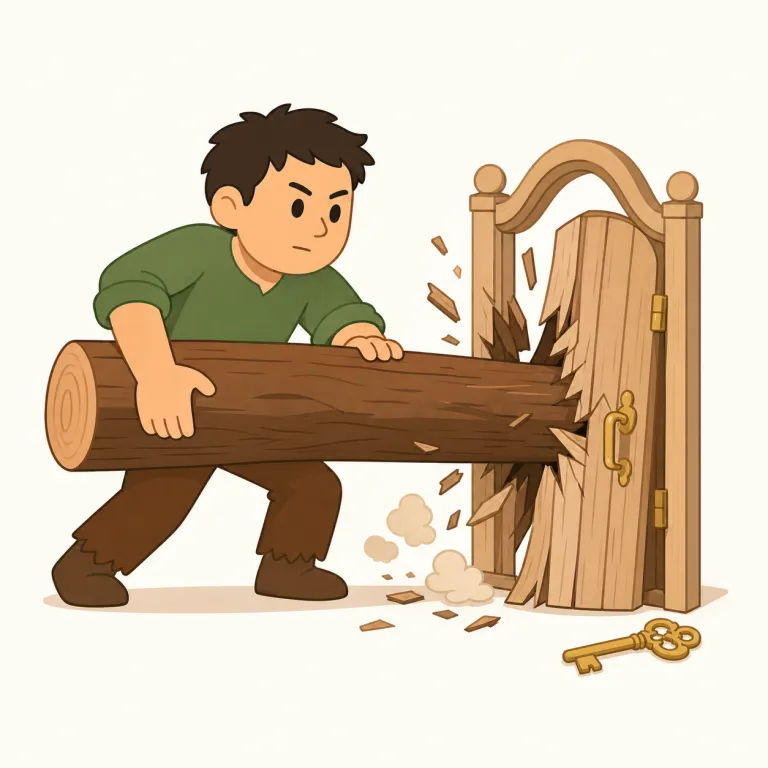
brute は英検1級レベルの英単語で、「力ずくの、野蛮な、けだもの、粗暴な人」という意味があります。発音記号は /bruːt/ です。
意味一覧 (2件)
力ずくの、野蛮な
解説 Definition
「brute」は形容詞で、理性や繊細さを欠き、荒々しく力任せであるさまを表す。人や行為なら「野蛮な」「残忍な」、方法や力なら「力ずくの」「純粋な腕力による」の意味になり、知性より力に頼る響きがある。
Brute means using great physical force rather than skill, care, or intelligence. It can also describe something rough, violent, or lacking human sensitivity, especially in the phrase "brute force."
覚え方のコツ Memory Tip
「brute」は、より見慣れた brutal を思い出すと定着しやすい語です。brutal が「残酷・容赦ない」なら、brute はその芯にある「理性より腕力」「荒っぽく押し切る」感覚。brute force で「力ずく」、brute strength なら「腕力そのもの」。単なる strong ではなく、smart や gentle の反対側にある、知性や繊細さを欠いた乱暴さまで含むのがポイントです。人・行為・方法のどれにも使えますが、ほめ言葉にはなりにくい語だと押さえると忘れにくくなります。
Connect `brute` with the more familiar word `brutal`. Both suggest force without much thought, softness, or care. The fixed phrase `brute force` is the easiest anchor, and it helps you feel the rough, physical idea of the word.
例文
The brute force of the storm destroyed many buildings.
嵐のすさまじい力が多くの建物を破壊した。
Solving the problem by brute force required enormous computing power.
その問題を力ずくで解くには莫大な計算能力が必要だった。
The attackers tried to break in with brute force.
襲撃者たちは力ずくで押し入ろうとした。
えいたんごクイズでの正答率
この語をはじめて出題された 41人 のうち 39人 が正解しました(95%)。
えいたんごクイズの回答から集計した独自データです。1人につき最初に出題されたときの1回だけを数えており、復習や2回目以降の回答、「わからない」と時間切れは含みません。 集計時点は 2026年9月19日 です。
けだもの、粗暴な人
(意味 2)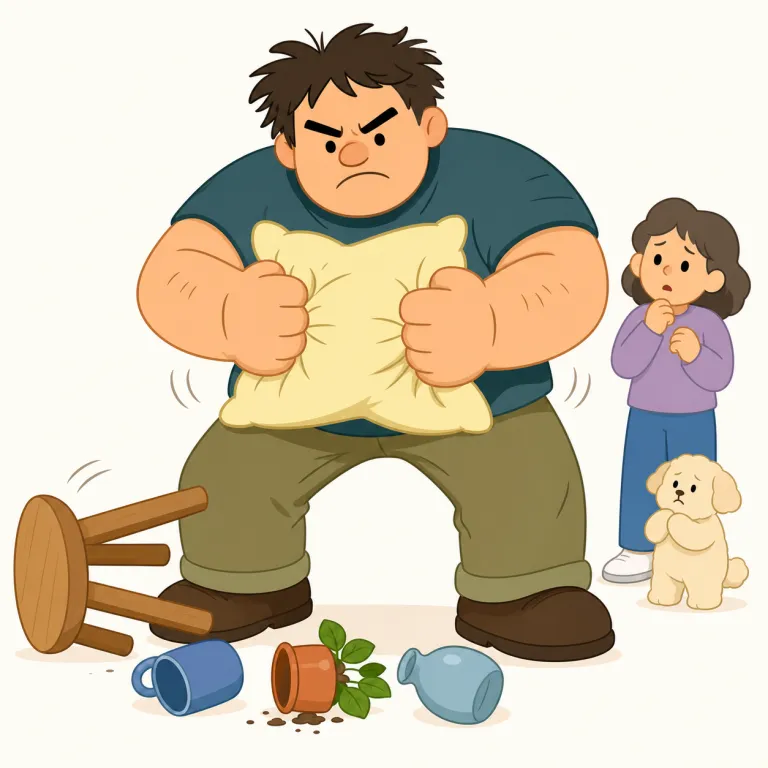
解説 Definition
人や動物を、理性や思いやりに欠けて乱暴だと強く非難して呼ぶ名詞です。文脈によっては単に「獣」の意味でも使われますが、会話では「粗暴なやつ」「乱暴者」のように人をののしる用法が目立ちます。知的で洗練された印象とは対極の、荒々しい存在を指します。
This noun refers to a rough, violent person who seems to lack reason or kindness. It can also refer to an animal viewed as a wild, unthinking creature, and is strongly insulting when applied to a person.
覚え方のコツ Memory Tip
「brute」は、より見慣れた brutal を思い出すと定着しやすい語です。brutal が「残酷・乱暴」なら、brute はそのような性質をもつ「けだもののような人」「粗暴な人」そのものを指す名詞です。Don't be such a brute. なら「そんな乱暴者みたいにするな」という感じ。単なる strong な人ではなく、理性や思いやりより腕力で押す存在として覚えると、この語義に結びつきます。
Connect it with the adjective brutal. If brutal describes cruel or violent behavior, this noun labels the person or creature showing that rough behavior; it does not merely mean someone strong.
例文
A wounded brute charged out of the bushes.
傷ついたけだものが茂みから突進してきた。
Don't be such a brute to your little brother.
弟にそんな乱暴な態度を取るな。
Everyone knew him as a drunken brute.
誰もが彼を酒癖の悪い粗暴な人だと知っていた。
brute の類義語・関連語
対義語
紛らわしい語
brute の語源・成り立ち Etymology
brute は古フランス語 brut を経てラテン語 brutus「重い・鈍い・理性のない」にさかのぼります。brutal や brutish と同根で、「理性が磨かれていない荒さ」から「野蛮な」という意味になった語です。
Brute came into English through Old French brut and goes back to Latin brutus, meaning dull, heavy, or without reason. The word first suggested a creature lacking thought or refinement. From that idea, it developed into the modern sense of something rough, cruel, or animal-like. Related words include brutal and brutish.
同じレベルの語彙をもっと
英検1級の一覧へ →外部辞書で調べる
この英単語をクイズで覚えよう