心理的な殻、防壁
noun 名詞比喩的に、人が感情や弱点を隠すために身につけた、近寄りがたい態度や心理的な防壁を指す。自信や冷淡さなどを「殻」に見立て、単なる外見ではなく自己防衛として働くことを強調する。
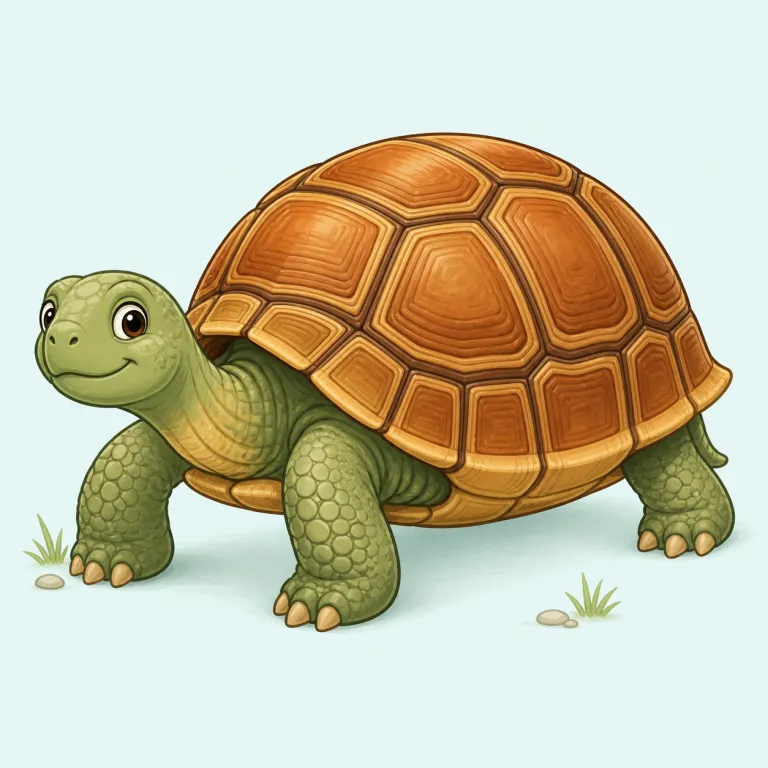
甲殻類や爬虫類の背中を覆う硬い殻のことです。外部からの攻撃から生物を保護する防護装置として機能します。
A carapace is a hard outer shell that protects the body of an animal such as a turtle or crab. It is used mainly in biology and zoology. The word can also be used more generally for any hard protective covering.
まず cap / cape を思い出すと覚えやすいです。どちらも「上から覆うもの」という感覚があり、carapace も本質は「動物の背中側を覆う硬いカバー」。shell は貝殻・卵の殻まで含める広い語ですが、carapace はカメやカニ、甲殻類などの“防御用の甲羅”に寄った語です。a turtle’s carapace, the crab’s carapace のような組み合わせで覚えると、「ただの殻」でなく「背を守る硬い外装」という像が固定されます。
Notice the `cap` idea inside the word and think of something that covers from above. A `carapace` is not just any shell, but a hard protective top covering on animals like turtles or crabs. Remember it with phrases like `a turtle's carapace` so it stays connected to animal armor.
The turtle's carapace provided excellent protection from predators.
カメの甲羅は捕食者から身を守るのにとても役立ちました。
Scientists studied the carapace of the horseshoe crab to understand its structure.
科学者たちはカブトガニの甲羅を研究して、その構造を理解しました。
The carapace of a sea turtle is made of bone covered by a leather-like skin.
ウミガメの甲羅は骨でできており、革のような皮膚で覆われています。
文脈によって、次の意味でも使われます。
比喩的に、人が感情や弱点を隠すために身につけた、近寄りがたい態度や心理的な防壁を指す。自信や冷淡さなどを「殻」に見立て、単なる外見ではなく自己防衛として働くことを強調する。
carapace はフランス語 carapace を経て、スペイン語 carapacho・ポルトガル語 carapaça に由来します。有力説ではラテン語 capa「外套」に結びつき、体を覆うものという発想から「甲羅」の意味になったと考えられます。関連語は cape, cap です。
Carapace came through French from Spanish carapacho and Portuguese carapaca. It is often connected with Latin capa, meaning "cloak" or "covering." From the idea of something that covers the body, the word came to mean a hard shell. Cape and cap are related English words.
この英単語をクイズで覚えよう