chaff
chaff は英検1級レベルの英単語で、「価値のないもの、穀物の殻くず」という意味があります。発音記号は /tʃæf/ です。
意味一覧 (2件)
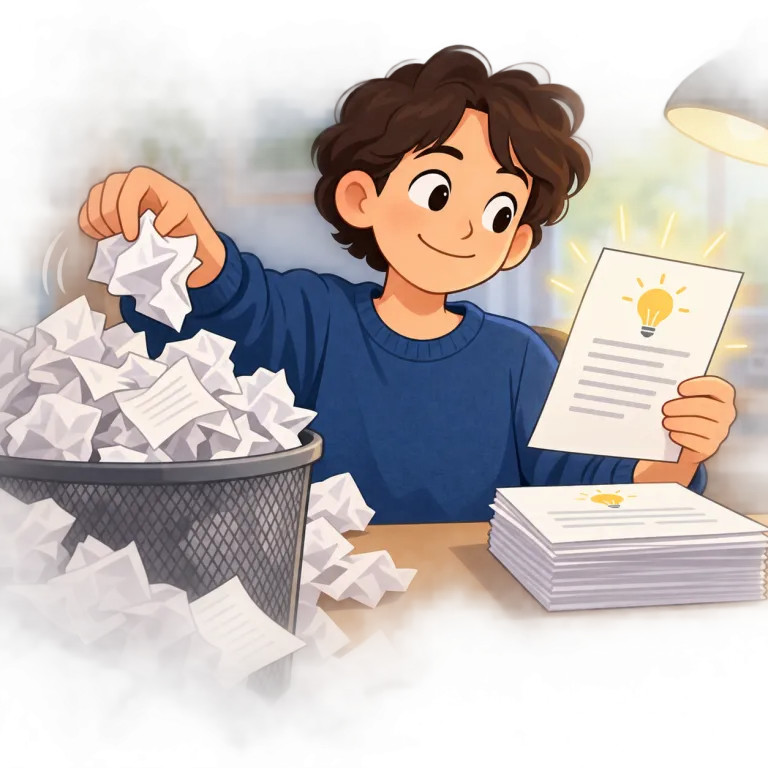
価値のないもの
解説 Definition
情報、発言、作品などの中で、価値や重要性がなく、本質的な部分から取り除くべきものを比喩的に表します。穀物の有用な実に対する軽い殻くずという対比から生じた用法です。
Figuratively, chaff is material, talk, information, or ideas regarded as worthless or unimportant in contrast with something valuable or essential.
覚え方のコツ Memory Tip
chaffは本来、穀物の有用な実から取り除かれる軽い殻くずです。そこから、情報や案の中の価値がなく捨てるべき部分を比喩的に指します。discard the chaffは「価値のない部分を捨てる」、separate the wheat from the chaffは「有用なものと無価値なものを選り分ける」という発想です。
Transfer the grain image to ideas or information: the valuable content is the grain, while the worthless material to be removed is the chaff.
例文
The article contains a few useful facts buried under a lot of chaff.
その記事では、いくつかの有用な事実が大量の価値のない内容に埋もれています。
We need to discard the chaff and focus on the strongest proposals.
価値のない案を捨て、最も有力な提案に集中する必要があります。
Her careful editing removed the chaff from the final report.
彼女の丁寧な編集によって、最終報告書から不要で価値のない内容が取り除かれました。
穀物の殻くず
(意味 2)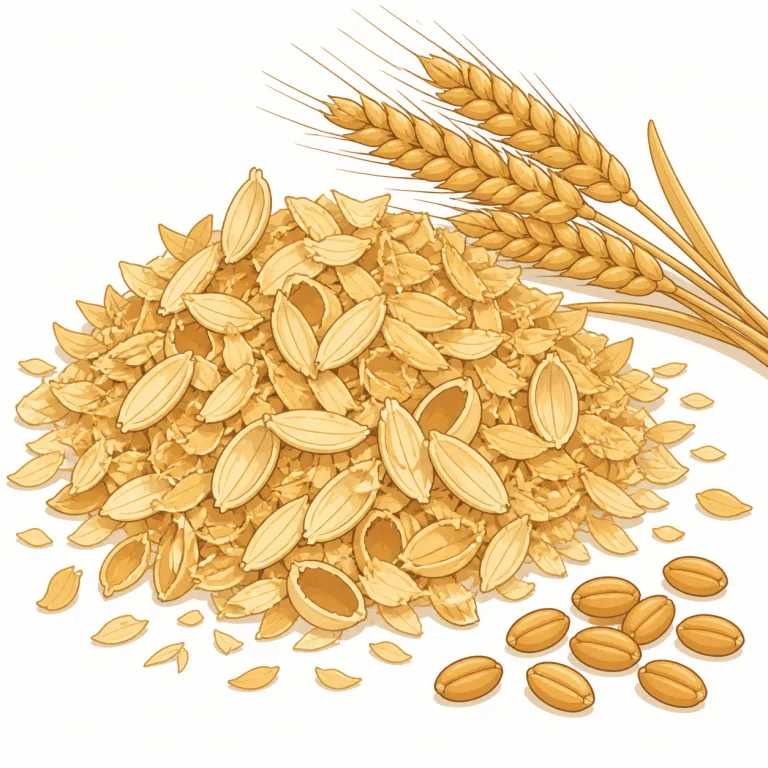
解説 Definition
脱穀などによって穀粒から取り除かれる、乾いて軽い殻や外皮を指します。食用となる穀粒と対照をなす農業上の具体物で、風でより分けられる軽いくずをまとめて表します。
Chaff is the dry, light husks or outer coverings removed from cereal grain during threshing or similar processing. It denotes the discarded agricultural material rather than the edible grain.
覚え方のコツ Memory Tip
chaff は、脱穀後に穀粒から外れた、乾いて軽い殻や外皮のくずをまとめて表す名詞です。grain「食用になる穀粒」と対になり、separate the grain from the chaff「穀粒と殻くずをより分ける」という形でよく現れます。風で飛ぶ軽い殻を思い浮かべましょう。
Contrast grain, the useful seed, with chaff, the light outer material removed from it. Picture the dry husks being carried away by the wind after threshing.
例文
The farmer separated the grain from the chaff after threshing.
農家は脱穀後、穀粒から殻くずをより分けました。
A gust of wind scattered the chaff across the yard.
一陣の風が殻くずを作業場いっぱいに散らしました。
They collected the chaff for use as animal bedding.
彼らは家畜の敷き材に使うため、穀物の殻くずを集めました。
chaff の類義語・関連語
chaff の語源・成り立ち Etymology
穀物から取り除かれる軽い殻を表す具体的な意味から、価値ある中身と対照をなす「価値のないもの」という比喩的な用法が生まれました。
This figurative sense developed from the literal grain husks: material discarded while the useful grain is retained became an image for anything worthless or nonessential.
同じレベルの語彙をもっと
英検1級の一覧へ →外部辞書で調べる
この英単語をクイズで覚えよう