収集して整理する、取りまとめる
verb 動詞資料・情報を各所から集め、一定の順序や基準で整理して一つにまとめること。比較して誤りを確認する「照合」とは異なり、報告書用のデータや文書一式を編成する場面で使われる。
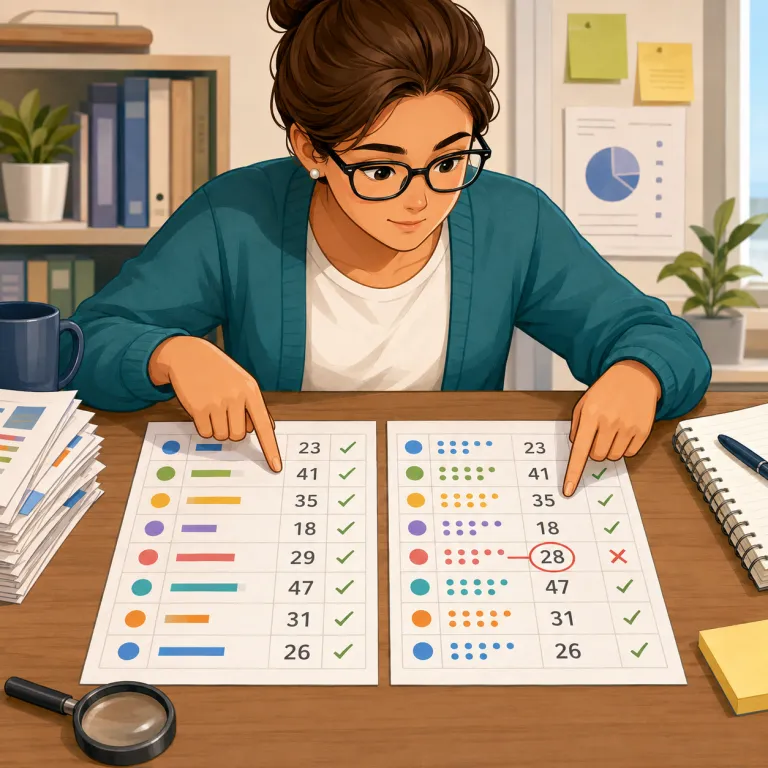
collate は英検1級レベルの英単語で、「照合する」という意味があります。発音記号は /kəˈleɪt/ です。
複数の資料やデータを比較・照合して正確さを確認すること。
To collate means to collect and compare information, documents, or ideas carefully. It is often used in office, research, and publishing contexts when checking that things match or putting materials in the correct order. The word can also mean gathering information from different sources into one organized set.
collate は、まず collect(集める)を思い出すと入りやすい語です。単に集めて終わりではなく、集めた複数の資料を横に並べ、1つずつ突き合わせて差や抜けを確認する動きまで含みます。compare よりも「原本と版違いを照らす」「一覧を作る」事務的な場面で使われやすく、collate the data / collate reports の形で覚えると定着しやすいです。collect と混同して「収集するだけ」で止めないのがポイントです。
`Collate` can be remembered through `collect`, but it goes one step further. You do not just gather things; you put them side by side and check them carefully. Think of papers, reports, or data being matched and organized. The common pattern `collate the data` is a good memory hook.
The researcher needed to collate the survey results with official records to check their accuracy.
研究者は正確さを確かめるため、調査結果を公的記録と照合する必要があった。
Please collate these reports and check for any discrepancies.
これらの報告書を照合して、矛盾がないか確認してください。
The librarian had to collate two copies of the manuscript to identify missing passages.
図書館員は欠落箇所を特定するため、その写本の二つの複製を照合しなければならなかった。
文脈によって、次の意味でも使われます。
資料・情報を各所から集め、一定の順序や基準で整理して一つにまとめること。比較して誤りを確認する「照合」とは異なり、報告書用のデータや文書一式を編成する場面で使われる。
ラテン語 collatus「一緒に運ばれた」に由来し、com-/col-「共に」+ latus(ferre「運ぶ」の過去分詞)に分けられます。情報を「集めて並べ、比べる」感覚から照合する意になり、関連語に confer, refer があります。
Collate comes from Latin collatus, the past participle of conferre, meaning "to bring together." Its parts are com- or col-, meaning "together," and latus, from ferre, "to carry" or "bring." From the idea of bringing things together, it came to mean arranging and comparing documents or information.
この英単語をクイズで覚えよう