confiscation
意味一覧 (4件)
没収
解説 Definition
政府や権力者が個人や団体から財産や物を没収する行為です。没収は、法律に基づいて行われることが多く、刑罰や罰金の形式として使用されることもあります。
Confiscation is the act of officially taking property away from someone, usually by the government, police, or another authority. It is commonly used in legal or political contexts when something is taken because it is illegal, dangerous, or connected to a crime. The word focuses on the action of taking, not just losing.
覚え方のコツ Memory Tip
このエントリの confiscation は「押収」ではなく、「没収」という結果に近い意味として覚えます。単に証拠品や危険物を一時的に取り上げる場面ではなく、裁判所・政府・権力者が財産や資産を取り上げ、持ち主が所有権を失う処分を表すと考えると区別しやすいです。confiscation of assets/property のような形で、犯罪・政治的処分・制裁と結びつきやすく、forfeiture「没収、権利喪失」にかなり近い語感です。
You can see the verb `confiscate` inside `confiscation`. The ending `-tion` often makes a noun for an action, so this is the act of `confiscating`. It often appears with officials like police or customs, as in `confiscation of drugs` or `property`. That official, legal feeling helps separate it from simple `take` or `seize`.
例文
The confiscation of illegal goods was carried out by customs officials.
違法な商品の没収は、税関職員によって実施されました。
Political prisoners faced the confiscation of all their personal property.
政治犯は、彼らのすべての個人的な財産の没収に直面しました。
The court ordered the confiscation of assets related to the crime.
裁判所は犯罪に関連する資産の没収を命じました。
押収
(意味 2)解説 Definition
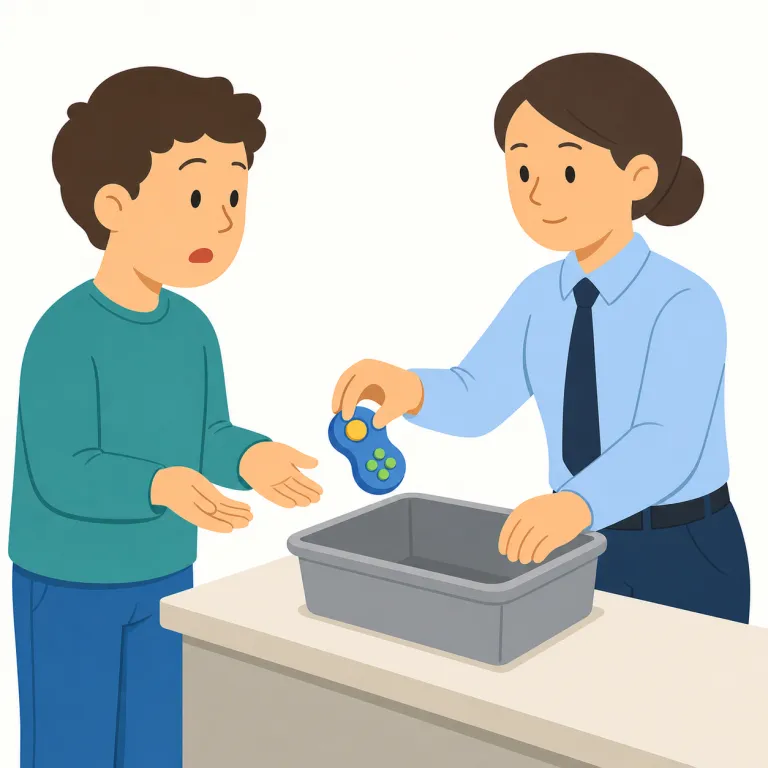
confiscation は、警察・税関・学校など権限を持つ側が、違法品・危険物・証拠品を取り上げる行為を指します。日本語の「押収」に近く、罰として所有権を失わせる「没収」よりも、捜査や管理のために物を確保する場面に焦点があります。
Confiscation is the act of taking something away by someone with official authority, such as the police, customs officers, or school staff. It is often used when the item is illegal, dangerous, or needed as evidence. The word focuses on the act of seizing the item for control or investigation, rather than only on the final loss of ownership. Common phrases include confiscation of drugs, weapons, or phones.
覚え方のコツ Memory Tip
confiscation は動詞 confiscate「押収する」に -tion が付いた名詞で、「confiscate する行為」と見ると覚えやすいです。con- は語源上のまとまり、fisc は fiscal「財政の」と同系で、もとは国庫に取り上げる発想があります。police confiscation, customs confiscation, confiscation of drugs/weapons/phones のように、権限を持つ人が物を取り上げる文脈でよく出ます。forfeiture「没収」は所有権を失う結果に寄り、confiscation は取り上げる行為に焦点があります。
You can remember confiscation as the action noun from confiscate: if someone confiscates something, the act is confiscation. The ending -tion often shows an action or process. It often appears in phrases like police confiscation, customs confiscation, or confiscation of drugs, weapons, or phones. Compared with forfeiture, confiscation focuses more on the act of taking the item away.
例文
The police confirmed the confiscation of illegal drugs during the raid.
警察はその捜索で違法薬物の押収を確認した。
Students were upset about the confiscation of their phones during the exam.
試験中の携帯電話の押収に生徒たちは不満を感じた。
The report described the confiscation of weapons at the border as a major success.
その報告書は、国境での武器の押収を大きな成果だと述べた。
差し押さえ
(意味 3)解説 Definition
政府や当局が違法行為などの理由で、個人や企業の財産を強制的に没収する行為。個人の同意を必要とせず、法的権限に基づいて実行される。
例文
The government ordered the confiscation of illegal weapons.
政府は違法な武器の差し押さえを命じました。
Confiscation of property without due process is illegal.
適正手続きなしの財産の差し押さえは違法です。
The customs officer authorized the confiscation of the smuggled goods.
税関職員は密輸品の差し押さえを承認しました。
差し押さえ
(意味 4)解説 Definition
政府や当局が違法や違反を理由に、個人や企業の財産を没収すること。特に脱税やその他の違反に対する罰として行われることが多い。
例文
The tax authority proceeded with the confiscation of unpaid debts.
税務当局は未払い債務の差し押さえを進めました。
Confiscation is a common penalty for tax evasion.
差し押さえは脱税の一般的な罰です。
The government's confiscation of resources raised public concern.
政府による資源の差し押さえは公共の懸念を高めました。
confiscation の語源・成り立ち Etymology
confiscation は confiscate + -ion。confiscate はラテン語 con-「共に」+ fiscus「国庫」で、財産を「持ち主から国庫へ移す」が原義なので、「没収」は単に取るのでなく公権力が取り上げる語感になる。関連語は fiscal, confiscate。
Confiscation comes from Latin confiscatio, from confiscare "to transfer property to the public treasury." It is built from con- and fiscus, meaning "basket, treasury," which also gave English fiscal. The idea moved from property being placed in the state treasury to the modern sense of official seizure by authority.
外部辞書で調べる
この単語を英単語クイズで覚えよう