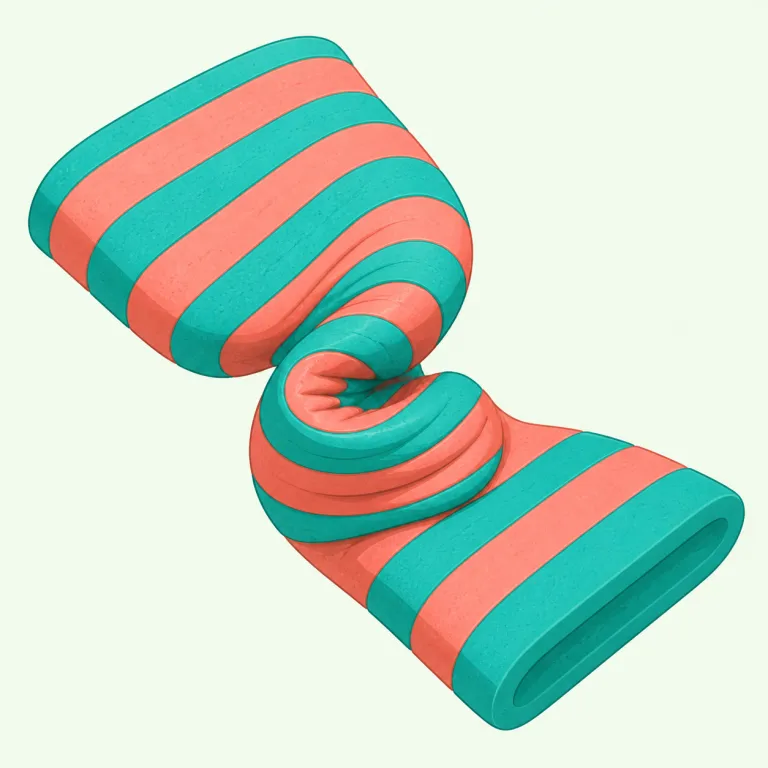
曲解する、ねじ曲げる
verb 動詞事実、論理、言葉などを不自然に変形し、本来とは異なる意味に見せることを指す。他動詞として contort the facts や contort an argument のように使われ、意図的な歪曲を含意することが多い。
ゆがむ。また、ねじる。形を歪ませる。
To twist or bend something into an unnatural shape. It can describe physical movement of the body or face, and it is also used more generally for something becoming badly distorted.
distort を知っていると覚えやすい語です。distort が「形や内容をゆがめる」広めの語なら、contort は「体・顔・物を無理にねじ曲げてゆがめる」感じが強いです。twist よりも不自然で苦しそうなねじれを連想すると残りやすく、contort one’s face/body, a contorted expression の形でよく出ます。特に pain で顔がゆがむ場面と結びつけると定着しやすいです。
The shape of the word feels twisted, and that helps. `Contort` is often seen in strong scenes like metal under heat or a body in pain. Remember the focus on unnatural bending or warping, not just ordinary movement.
Pain caused her face to contort.
痛みは彼女の顔をゆがめた。
The metal began to contort under heat.
金属は熱を受けてゆがみ始めた。
His body contorted in the pretzel position.
彼の体はプレッツェル位置でゆがんだ。
文脈によって、次の意味でも使われます。
事実、論理、言葉などを不自然に変形し、本来とは異なる意味に見せることを指す。他動詞として contort the facts や contort an argument のように使われ、意図的な歪曲を含意することが多い。
ラテン語 contorquere(con- 共に+torquere ねじる)の過去分詞 contortus に由来。「一緒にねじり合わせる」から「ゆがめる」の意味に。関連語: torture(拷問=体をねじる), distort(歪曲する)。
Contort comes from Latin contorquere, made from con-, meaning "together," and torquere, meaning "to twist." It first carried the idea of twisting something tightly, and then developed the broader sense of forcing it into a bent or distorted shape. Related English words include distort and torture, which share the same twisting root.
この英単語をクイズで覚えよう