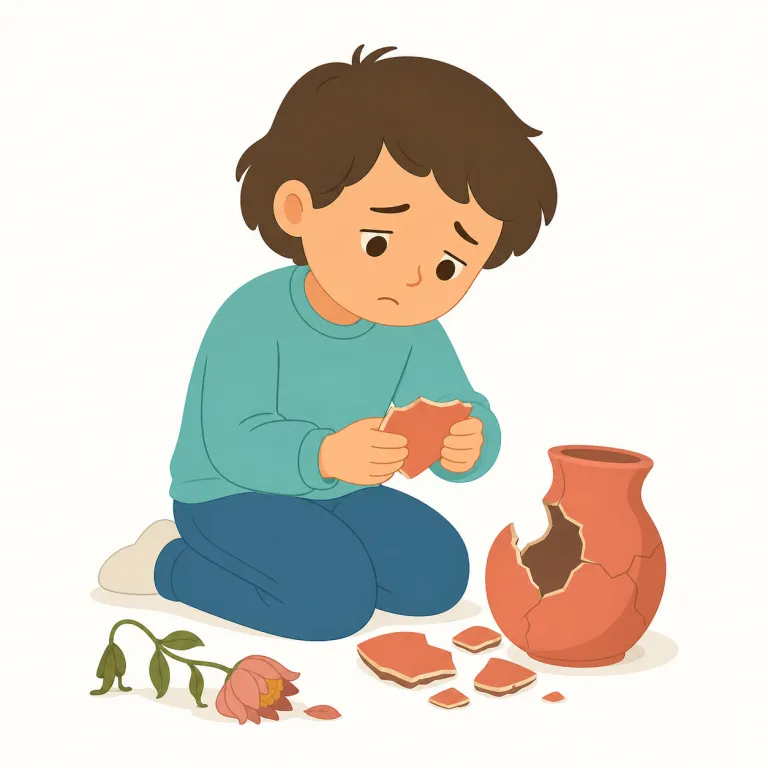
悔悟した
解説 Definition
自分の過ちや罪を深く悔い、心から反省している様子を表す。
Contrite means feeling sincerely sorry and ashamed for something wrong you have done. It is usually used when someone shows real regret and wants forgiveness.
覚え方のコツ Memory Tip
contrite は「反省してしおれている人」の形で覚えると残りやすいです。意味の中心は、ただ sorry と言うだけでなく、態度や表情まで“心から悪かった”がにじむ感じ。会話なら apologetic よりも深く、guilty に近い罪悪感を含みます。よく a contrite expression / look のように使われ、mistake のあとに本人が本気で悔いている場面を思い浮かべると定着します。似た confident, content など前半が con- の語とは無関係なので、形より「深い後悔の空気感」で結びつけるのがコツです。
Remember `contrite` through common phrases like `a contrite look` or `sound contrite`. It often appears after someone admits a mistake, gives an apology, or stands in court. Picture a face that shows regret and responsibility, not just sadness.
例文
He appeared contrite after realizing how deeply his careless words had hurt her feelings.
彼は自分の不注意な言葉がどれほど彼女の気持ちを傷つけたか気づき、悔いている様子だった。
The politician issued a contrite apology, admitting that his behavior had been inexcusable.
その政治家は自分の行動が弁解の余地のないものだったと認め、悔悟のこもった謝罪を表明した。
Despite her contrite demeanor in court, the judge imposed a severe sentence.
彼女は法廷で悔いている様子を見せていたが、裁判官は厳しい判決を下した。
contrite の類義語・関連語
派生語
contrite の語源・成り立ち Etymology
contriteはラテン語contritus「すり減った・砕かれた」に由来し、con-「徹底的に」+ terere「こする・すり減らす」と分解できます。心が罪悪感で砕かれたイメージが核で、triteやtriturateと同根だと知ると、深い悔恨が「心をすり潰す感覚」から来たと見えてきます。
`Contrite` comes from Latin `contritus`, meaning "worn down" or "crushed." It is related to `con-` meaning "thoroughly" and `terere`, meaning "to rub" or "to wear away," the same root seen in `trite` and `triturate`. The sense moved from something physically ground down to a heart spiritually crushed by sorrow or guilt.
同じレベルの英単語をもっと
外部辞書で調べる
この単語を英単語クイズで覚えよう