trite
trite は英検1級レベルの英単語で、「ありきたりな」という意味があります。発音記号は /traɪt/ です。
ありきたりな
解説 Definition
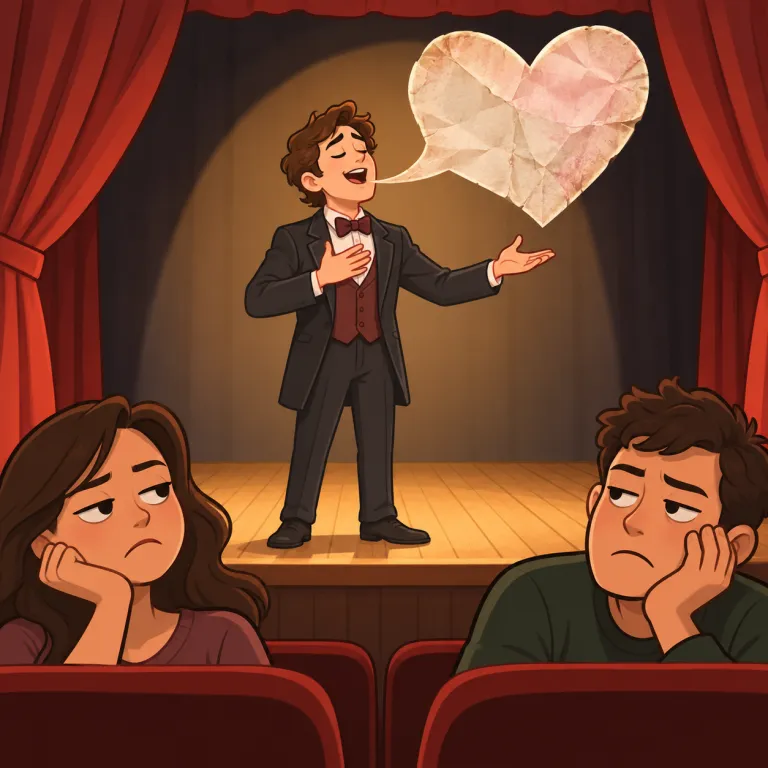
新しさがなく、よくある使い古された表現や物事に対して使う形容詞。陳腐で人の心を動かさず、想像力や工夫のない状態を表す。ありふれた比喩や定型句など、予想通りの展開や言い回しにも使われる。
Trite describes something that is not fresh or interesting because it has been used or said too many times. It is often used for comments, ideas, jokes, or writing. The word has a negative meaning and suggests a lack of originality.
覚え方のコツ Memory Tip
trite は「何度も見聞きしすぎて、もう新鮮さがまったく残っていない」と覚えると定着しやすい。fresh や original の反対側に置き、a trite phrase, a trite joke, a trite excuse のように「聞き飽きた決まり文句・冗談・言い訳」と結びつけるのが有効。単に common というだけでなく、ありふれているせいで心を動かさず、工夫がないというマイナス評価が入る。cliché と近いが、trite は『陳腐で安っぽい』という印象まで含めて覚えると使い分けやすい。
Remember `trite` with phrases like `a trite joke` or `a trite excuse`. It is not just common, but so overused that it feels stale and weak. Keep it near `cliche`, but with a more negative feeling of lacking freshness.
例文
The dialogue in the play was criticized for being trite and predictable.
その劇のせりふは、ありきたりで先が読めると批判されました。
He used trite phrases and clichés that failed to impress anyone.
彼は陳腐なフレーズや決まり文句を使いましたが、誰にも感銘を与えられませんでした。
The advertising campaign featured trite images that had been used countless times before.
その広告キャンペーンでは、これまで何度も使われてきたありきたりな画像が使われていました。
trite の類義語・関連語
類義語
対義語
trite の語源・成り立ち Etymology
trite はラテン語 terere(すり減らす)の過去分詞 tritus に由来し、「擦られて古びた」が原義です。そこから「使い古されて新味がない」つまり、ありきたりなの意味になりました。関連語は attrition, triturate。
"Trite" comes from Latin "tritus," the past participle of "terere," meaning "to rub" or "wear down." It first carried the idea of something rubbed smooth by much use. From there it came to mean something overused and no longer fresh; related words include "attrition" and "triturate."
同じレベルの語彙をもっと
英検1級の一覧へ →外部辞書で調べる
この英単語をクイズで覚えよう