えいたんごクイズ
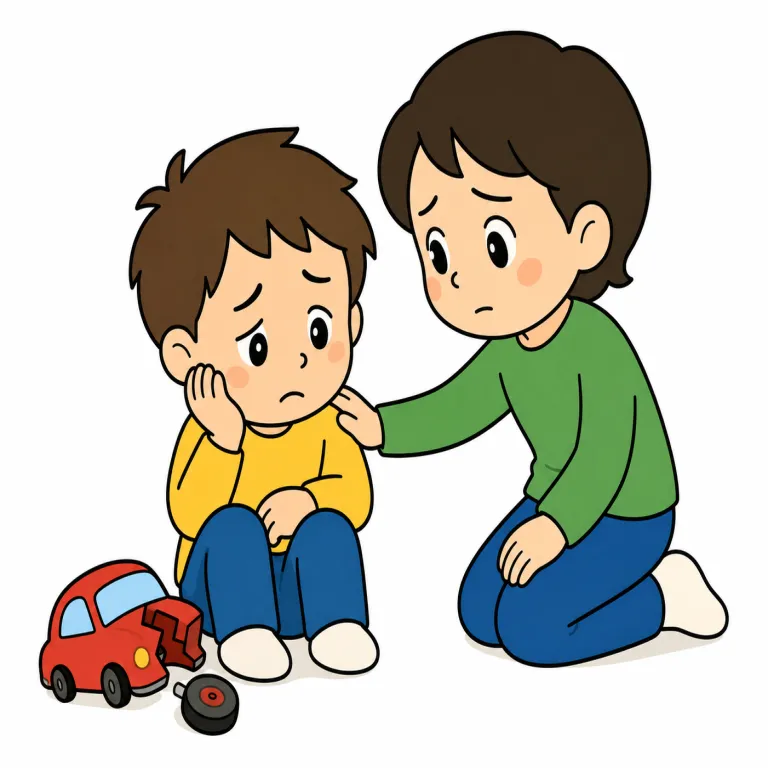
sorry(ごめんなさい・形容詞)の覚え方イラスト — sorry は「ごめんなさい」と謝るときの基本表現として、まず I'm sorry の形で覚えると使いやすいです

sorry

/ˈsɑːri/

sorry は英検5級・英検4級レベルの英単語で、「ごめんなさい、気の毒な、気の毒に思って」という意味があります。発音記号は /ˈsɑːri/ です。

意味一覧 (3件)

adjective

ごめんなさい

解説 Definition

自分の行いや言動に対して、相手に申し訳なく思う気持ちや後悔の感情を表す形容詞。謝罪や遺憾の意を示すときに広く使われる表現である。日常会話では相手に不便や迷惑をかけたと感じたときに使う。

Sorry means feeling regret, sadness, or sympathy about something. People use it when they have done something wrong, when they want to be polite, or when they feel bad for another person. In conversation, it is one of the most common ways to apologize.

覚え方のコツ Memory Tip

sorry は「ごめんなさい」と謝るときの基本表現として、まず I'm sorry の形で覚えると使いやすいです。be sorry for/about 名詞、be sorry to 動詞 の形で、自分の行為や結果について申し訳なく思う気持ちを表します。小さな迷惑から失敗への反省まで幅広く使えます。apologize は動詞で、より正式に謝罪する場面に向きます。

Learn I'm sorry as one very common chunk. Use it when you feel bad about your own action, mistake, or the trouble you caused. It is wider and more everyday than apologize, which sounds more formal.

例文

I am sorry for being late to the meeting this morning.

今朝の会議に遅刻してしまい、申し訳ありませんでした。

She felt sorry for forgetting her friend's birthday.

彼女は友人の誕生日を忘れてしまったことを申し訳なく思った。

He said sorry after accidentally bumping into the elderly woman.

彼は高齢の女性に誤ってぶつかった後、すみませんと謝った。

adjective

どく

(意味 2)

解説 Definition

人の不幸や悪い知らせにふれたとき、相手への同情や残念な気持ちを表す意味です。謝罪の「ごめんなさい」ではなく、「お気の毒です」「それは残念です」に近く、相手を気づかう場面で使われます。自分の非より、相手のつらさに寄り添う響きがあります。

Sorry can describe the feeling you have when someone else has had trouble, pain, or bad news. In this use, it is close to “feeling sad for someone” or “feeling sympathy,” not simply saying that you did something wrong. It often sounds caring and personal, as if you are sharing a little of the other person’s sadness.

覚え方のコツ Memory Tip

sorry は単なる「謝罪の単語」ではなく、「悪かったと感じている」「気の毒に思う」という感情まで含む語として押さえると残りやすい。まず I’m sorry. をひとまとまりで覚える。会話では人に迷惑をかけた直後の第一反応として非常に頻出。be sorry about the mistake なら自分のミスを残念に思う、be sorry for him なら相手を気の毒に思う。excuse me は呼びかけや軽いわび、apologize はより正式な謝罪、と並べて区別すると混同しにくい。

Do not remember sorry only as a word for apology. Learn I’m sorry as one common phrase, but notice that it can mean “I feel bad about this” or “I feel sad for you.” Be sorry about a mistake points to regret for your own action, while be sorry for someone points to sympathy for that person. Compare it with excuse me for light interruptions and apologize for a more formal apology.

例文

I’m sorry to hear about your grandfather.

おじいさんのことを聞いてお気の毒に思います。

She felt sorry for the child who had lost his way.

彼女は道に迷った子どもを気の毒に思った。

We were sorry about the bad news and wanted to help.

私たちはその悪い知らせを残念に思い、助けたいと思った。

adjective

どくおもって

(意味 3)

解説 Definition

人の不幸、困難、失敗などを聞いて同情や残念な気持ちを抱いている状態を表す。自分が悪いわけではなくても、相手のつらい状況に心を寄せるときに使う。

Sorry can describe the feeling of sympathy or sadness you have when you hear that someone is having a hard time or has experienced something bad. In this meaning, it does not mainly show that you did something wrong. It is used when you want to show care and understanding for another person's pain, loss, or disappointment.

覚え方のコツ Memory Tip

sorry は I’m sorry. の謝罪だけでなく、I’m sorry to hear that. の形で「それを聞いて気の毒です」と相手への同情を表す。自分の過失を認める apologize と違い、ここでは相手の不運や悲しい知らせに心を寄せる語。feel sorry for 人 は「その人をかわいそうに思う」に近いが、上から目線に響くこともあるので文脈に注意する。

Remember that sorry is not only for saying "I did something wrong." In "I’m sorry to hear that," it shows sympathy for someone else’s bad news. This is different from apologize, which clearly focuses on your own mistake. Also, feel sorry for someone can mean "think they are unfortunate," but sometimes it sounds a little patronizing.

例文

I’m sorry to hear that your grandfather is in the hospital.

おじいさんが入院していると聞いて、気の毒に思います。

She felt sorry for the boy who had lost his dog.

彼女は犬をなくしたその少年を気の毒に思った。

We were all sorry that he did not get the job after working so hard.

彼があれほど頑張ったのに仕事を得られなかったことを、私たちは皆残念に思った。

sorry を含む表現

句動詞・イディオムなど 2 件。クリックで各表現の詳細へ。

sorry の語源・成り立ち Etymology

sorry は古英語 sarig「心が痛む・つらい」にさかのぼり、核にあるのは sore「痛い」と同じ痛みの感覚です。sore や sorrow と並べると、ただの儀礼的な謝罪ではなく、「相手に悪いことをして自分の心も痛む」から sorry だと見えてきます。

Sorry comes from Old English sarig, meaning "distressed" or "pained." It is closely related to sore and sorrow, which share the same idea of pain. Over time, that feeling of inner pain or regret became the usual English way to express apology.

外部辞書で調べる

この単語をシェア

この単語を英単語クイズで覚えよう