
indifferent
indifferent は英検1級・TOEIC 860・TOEFL 80・IELTS 6.5レベルの英単語で、「無関心、どちらでもよい、平凡な」という意味があります。発音記号は /ɪnˈdɪfərənt/ です。
無関心
解説 Definition
無関心なとは、物事や人に対して特に興味や関心を示さない状態を表す形容詞です。感情的に中立であるか、または積極的に関わることを避ける態度を指します。無関心は時に冷淡さや感情の欠如として否定的に受け取られることもあります。
Indifferent means not interested, not concerned, or not caring strongly about something. It can describe a person’s attitude toward people, events, or choices. In some contexts, it can also mean neither good nor bad, but the emotional meaning is more common.
覚え方のコツ Memory Tip
`different` を知っていれば覚えやすい語です。`in-` は「〜でない」なので、もともとの感覚は「違いがない」「どちらでも同じ」。そこから「特に好みも関心も向かない」「気にしていない」という意味へつながります。`interested` の反対寄りですが、`cold` ほど強い冷酷さではなく、温度の低い無関心を表すことが多いです。`be indifferent to ...`、`an indifferent attitude` の形で見ておくと定着しやすく、重要なことに使うと「無責任そう」の含みが出やすい点にも注意です。
Use `different` as your memory base. `In-` here gives the sense of `not making a difference`, so the feeling becomes `I do not care much either way`. The pattern `be indifferent to` is a good chunk to memorize.
例文
Many young people are indifferent to politics, which concerns civic leaders.
多くの若者が政治に無関心であることを、地域社会のリーダーたちは懸念しています。
She seemed indifferent to the result of the vote.
彼女は投票の結果に無関心なようでした。
He remained indifferent to their complaints.
彼は彼らの苦情に対して無関心なままでした。
えいたんごクイズでの正答率
この語をはじめて出題された 37人 のうち 34人 が正解しました(92%)。
えいたんごクイズの回答から集計した独自データです。1人につき最初に出題されたときの1回だけを数えており、復習や2回目以降の回答、「わからない」と時間切れは含みません。 集計時点は 2026年9月19日 です。
どちらでもよい
(意味 2)
解説 Definition
好みや希望が強くなく、複数の選択肢のどれでも特に問題ないことを表す。返事として使うと「特にこだわりはない」「気にしない」という軽い態度を示し、選択を相手に任せる文脈でよく用いられる。
This adjective means having no strong preference between available choices. It can show that any option is acceptable and that the decision may be left to someone else.
例文
I'm indifferent between tea and coffee.
紅茶でもコーヒーでもどちらでもよいです。
She was indifferent as to where we sat.
彼女はどこに座ってもよかった。
For the meeting time, I'm indifferent.
会議の時間は私はどちらでもよいです。
平凡な
(意味 3)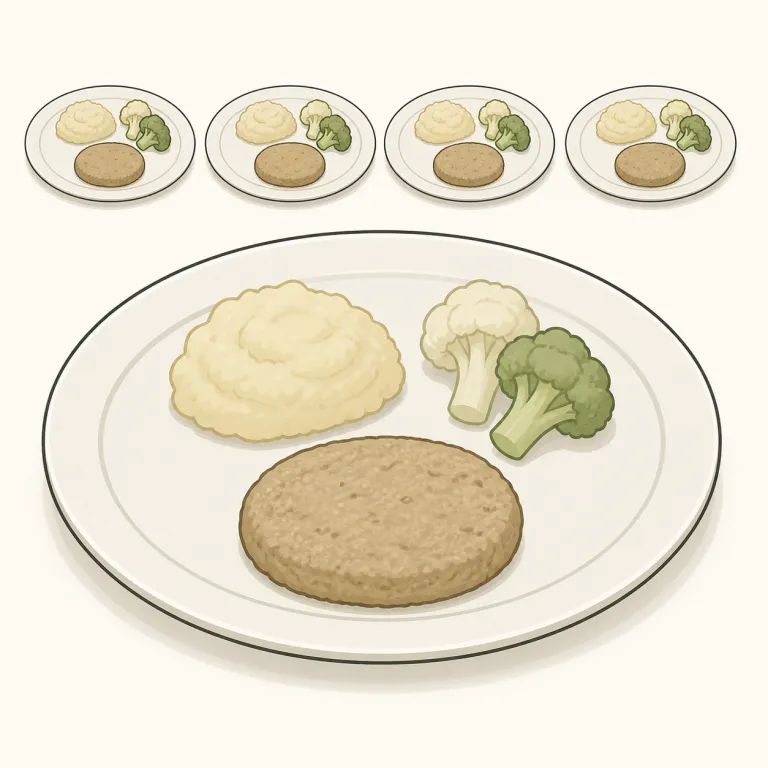
解説 Definition
質や出来ばえが特に良くも悪くもなく、平均的で印象に残らないことを表す。人の能力、作品、食事、成績などについて、期待を超えない普通程度だと述べるときに使われる。
This adjective describes quality or performance that is neither especially good nor especially bad. It suggests an average, unimpressive result that does not stand out.
覚え方のコツ Memory Tip
`different` を知っていれば覚えやすい語です。`in-` は「〜でない」なので、もとの感覚は「違いがない」。そこから、出来ばえに目立つ差がなく「特によくも悪くもない」「平凡な」という意味につながります。料理なら The food was indifferent で「印象に残らない並の味」、演技なら an indifferent performance で「ぱっとしない出来」。無関心の indifferent to ... とは切り分けて、物や出来について使うと「平均的で冴えない」と覚えると定着しやすいです。
Connect indifferent with different and imagine something showing no noticeable difference from the average. With food, performances, or results, it means ordinary and rather disappointing, not emotionally unconcerned.
例文
The food was indifferent, nothing special.
その料理は平凡で、特別なところはなかった。
He gave an indifferent performance in the match.
彼は試合で平凡な出来に終わった。
The movie received indifferent reviews.
その映画はさえない評価を受けた。
indifferent の類義語・関連語
対義語
indifferent の語源・成り立ち Etymology
ラテン語 in-「〜でない」+ differre「運び分ける」から来ており、indifferent の原義は「区別をつけない」です。differ や difference と同根で、「違いがないならどちらでもよい」から「無関心」へ広がった流れが見えます。
Indifferent comes from Latin in- "not" and differre, meaning "to carry apart" or "distinguish." Its earliest sense was "making no difference" or "not distinguishing between things." From "it does not matter which one," the meaning widened to "not caring" or "not showing interest." It is related to differ and difference.
同じレベルの語彙をもっと
英検1級の一覧へ →外部辞書で調べる
この英単語をクイズで覚えよう