
condemnation
condemnation は英検準1級・TOEIC 860・TOEFL 80・IELTS 6.5レベルの英単語で、「非難、有罪宣告、断罪」という意味があります。発音記号は /ˌkɑːndəmˈneɪʃən/ です。
意味一覧 (3件)
非難
解説 Definition
強い否定的評価や道徳的な非難を示します。誰かや何かを誤りや不正と見なして、はっきりと批判することを指します。社会的・道徳的な観点から、ある行動や制度を断固として非難する際に使われます。
Condemnation is strong public or official criticism that says something is wrong, bad, or unacceptable. It is often used in discussions of crime, politics, violence, or immoral behavior. The word has a serious and formal tone.
覚え方のコツ Memory Tip
まず動詞 condemn を核にして覚えると定着しやすいです。condemnation はその名詞形で、「非難すること・非難の言葉」。単なる criticism より重く、道徳的に『それは許されない』と突き放す響きがあります。ニュースでは public condemnation, international condemnation の形が頻出。犯罪・暴力・差別・不正への強い非難で出やすく、complaint のような不満表明よりはるかに強い語だと押さえると使い分けやすいです。
Learn the verb `condemn` first, then `condemnation` becomes easy as the noun form. It is much stronger than ordinary `criticism` and often sounds moral, as if saying something is clearly wrong. News phrases like `public condemnation` and `international condemnation` are common memory hooks.
例文
The court issued a public condemnation of the defendant's actions.
裁判所は被告の行為を公に非難した。
Public condemnation followed the politician's scandal.
政治家のスキャンダルの後、世間から非難の声が上がった。
The condemnation of slavery was widespread among many nations.
奴隷制度への非難は多くの国々の間で広く見られた。
有罪宣告、断罪
(意味 2)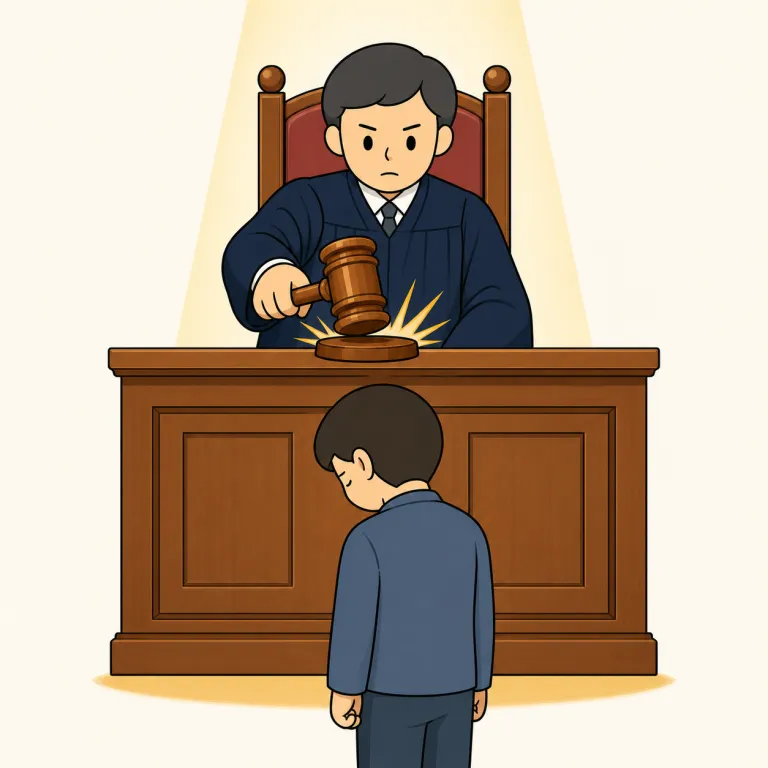
解説 Definition
法律では、裁判所などが被告を有罪と認め、その結果を正式に言い渡すことを指す。宗教的な文脈では、罪ある者が罰や滅びに定められる断罪の意味でも使う。単なる批判や非難よりも、権威ある最終的な裁きの響きが強い。
A formal judgment that someone is guilty and subject to punishment. In religious contexts, it can mean a judgment that a sinner deserves punishment or destruction.
覚え方のコツ Memory Tip
まず動詞 condemn を核にして覚えると定着しやすいです。condemnation はその名詞形で、法廷や宗教的な場面では「有罪宣告・断罪」。単なる criticism や public condemnation の「非難」より一段重く、権威ある立場が『有罪である、罰に値する』と正式に決める響きがあります。in court, sentence, appeal など裁きの場面と結びつけると、この語義を切り分けやすいです。
Connect the noun with condemn and picture a court formally declaring someone guilty. The ending -ation names the act or result of that judgment.
例文
The court's condemnation of the accused ended the trial.
裁判所が被告に有罪を宣告し、裁判は終わった。
After his condemnation, he was sent to prison.
有罪を宣告された後、彼は刑務所に送られた。
They believed sin would lead to condemnation after death.
彼らは、罪を犯せば死後に断罪されると信じていた。
有罪宣告、断罪
(意味 3)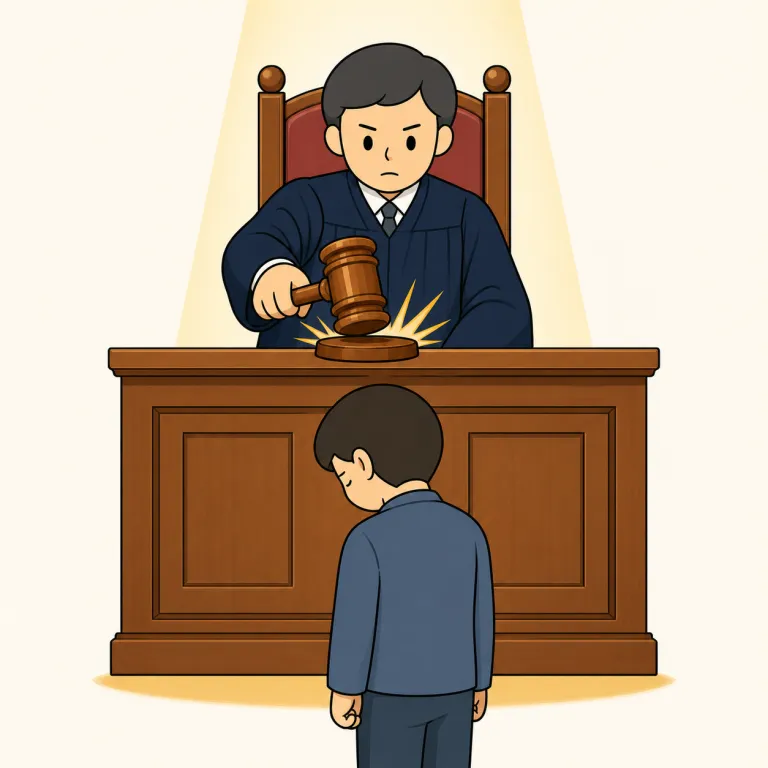
解説 Definition
法律では、裁判所などが被告を有罪と認め、その結果を正式に言い渡すことを指す。宗教的な文脈では、罪ある者が罰や滅びに定められる断罪の意味でも使う。単なる批判や非難よりも、権威ある最終的な裁きの響きが強い。
A formal judgment by a court that someone is guilty and subject to punishment. In religious contexts, it can mean a final judgment that a sinful person deserves punishment or destruction.
覚え方のコツ Memory Tip
condemnation は condemn の名詞形ですが、ここでは単なる「非難」より一段重い、権威ある裁きとして覚えます。裁判所が「有罪だ」と正式に言い渡す、または宗教的に罪ある者を罰へ定めるのが condemnation。public condemnation のような糾弾とは切り分けて、court, verdict, appeal と一緒に出たら「有罪宣告・断罪」と読むと定着します。
Connect this noun with condemn, but remember that this sense is stronger than ordinary criticism. Picture a court formally declaring someone guilty, or a religious authority describing a final judgment against sin.
例文
The court's condemnation of the man ended the trial.
裁判所がその男に有罪を宣告し、裁判は終わった。
She feared condemnation and a long prison sentence.
彼女は有罪宣告と長い服役を恐れた。
The priest warned that sin could lead to condemnation.
司祭は、罪を犯せば断罪につながると警告した。
condemnation の類義語・関連語
condemnation の語源・成り立ち Etymology
condemnation は con-「完全に」+ damnare「損害を負わせる・有罪とする」から来たラテン語 condemnatio に由来します。もとは単なる悪口でなく、相手を正式に罰や不利益の側へ置く語感です。damn や indemnify も同じ damnum 系の仲間です。
Condemnation comes from Latin condemnatio. It is related to condemn, from con-, meaning "completely," and damnare, meaning "to cause loss" or "to judge guilty." The word first had the strong sense of an official judgment that placed someone under blame or penalty. Related English words include damn and indemnify, which come from the same Latin family.
同じレベルの語彙をもっと
英検準1級の一覧へ →外部辞書で調べる
この英単語をクイズで覚えよう