意味一覧 (2件)
痛い
解説 Definition
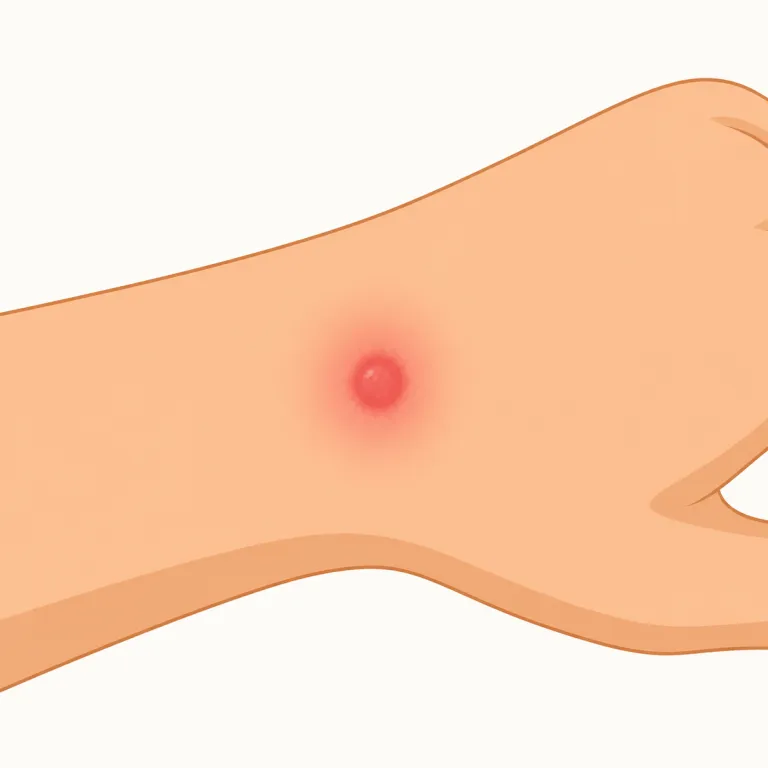
「痛い」とは、体の一部が痛む状態を表す形容詞です。打撲や炎症、疲れなどで触れたときに刺激を感じるときに使います。筋肉や関節、喉や歯といった身体の部位に不快感があるときに広く使います。
If a part of your body is sore, it hurts in a mild or continuing way. This often happens after exercise, illness, or a small injury. The word usually suggests pain that is uncomfortable rather than severe.
覚え方のコツ Memory Tip
sore は「ケガで激痛」というより、運動後や炎症でその部分がじわっと痛む状態を表す形容詞として覚えると定着しやすいです。sore throat, sore muscles, sore back のように体の部位と非常によく結びつきます。hurt が「痛む」という動作全般なのに対し、sore は「痛い状態になっている」と見るのがコツ。be sore after exercise の形も頻出なので、使いすぎで痛む場面とセットで覚えると強いです。
Remember `sore` with body-part phrases like `sore throat`, `sore muscles`, and `sore back`. It often fits the feeling after exercise or from irritation, not one sudden injury. `Hurt` can describe the pain action, but `sore` is the painful condition.
例文
My shoulders were sore after carrying the boxes all day.
箱を一日中運んだ後で肩が痛かった。
The cut on his leg was sore.
彼の脚の切り傷が痛んだ。
She rubbed her sore ankle before going for another run.
彼女は再び走る前に、痛む足首をさすった。
不機嫌な
(意味 2)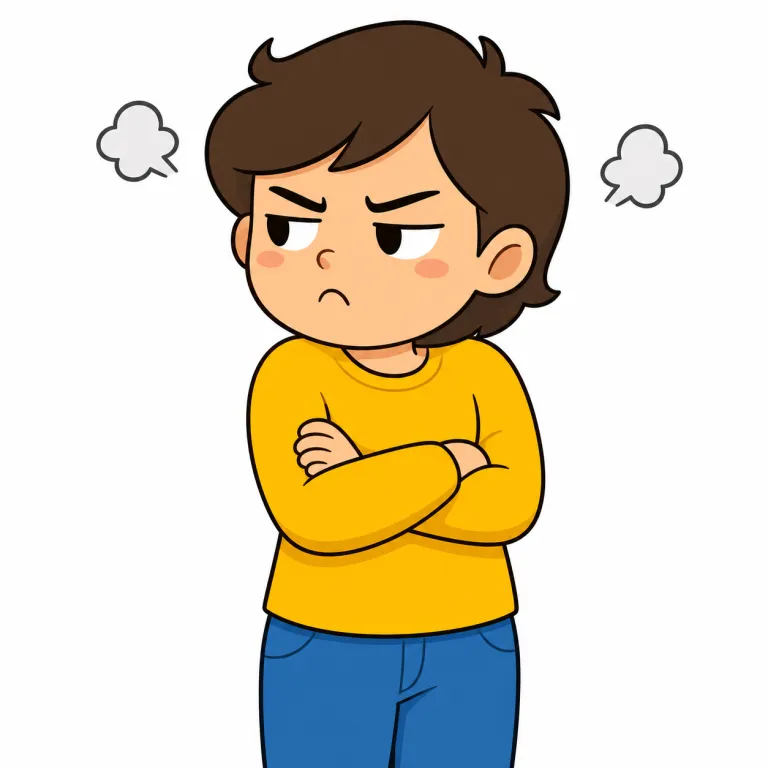
解説 Definition
sore は人が腹を立てていたり、不満があって機嫌が悪かったりする状態を表す形容詞です。批判された後や負けた後など、感情的なしこりが残っている場面でよく使われます。一時的に怒っているだけでなく、少し根に持っている響きを含むこともあります。
Angry or upset about something that has hurt your feelings, such as criticism or a defeat. It often suggests that you still resent what happened.
覚え方のコツ Memory Tip
sore は体の痛みだけでなく、心が「ひりひりしている」状態にも使うと覚えると定着しやすいです。負けた後や批判された後に、気持ちの傷が残って不機嫌になっている場面を思い浮かべるとよく、be sore about losing の形でよく出ます。angry が単に「怒っている」なのに対し、sore は「傷ついて根に持っている」感じ。sore throat の身体的な痛みとは切り分けて、感情の痛みが不機嫌さに出ている語として押さえると強いです。
Picture hurt feelings that still sting after losing or being criticized. Connect that emotional sting with being sore about something: you remain upset and may hold a grudge.
例文
He was still sore about losing the game.
彼は試合に負けたことにまだ腹を立てていた。
She sounded sore after reading the review.
彼女はそのレビューを読んで不機嫌そうだった。
Don't get sore just because I disagreed with you.
私が反対しただけで不機嫌にならないで。
えいたんごクイズでの正答率
この語をはじめて出題された 33人 のうち 9人 が正解しました(27%)。
えいたんごクイズの回答から集計した独自データです。1人につき最初に出題されたときの1回だけを数えており、復習や2回目以降の回答、「わからない」と時間切れは含みません。 集計時点は 2026年9月19日 です。
sore の類義語・関連語
sore の語源・成り立ち Etymology
古英語 sār「痛い・つらい」に由来し、さらにゲルマン祖語の「痛み」の語群へさかのぼります。体が傷んでひりつく感覚が中心なので、sore throat や sore muscles のような具体的な痛みに自然につながります。同根語に sorry や soreness があります。
Sore comes from Old English sar, meaning "painful" or "distressed," from an older Germanic root about pain. It first described physical hurt, and that remains the core idea in modern English. Related words include soreness, and sorry may come from the same wider root.
同じレベルの語彙をもっと
外部辞書で調べる
この英単語をクイズで覚えよう