意味一覧 (3件)
港
解説 Definition
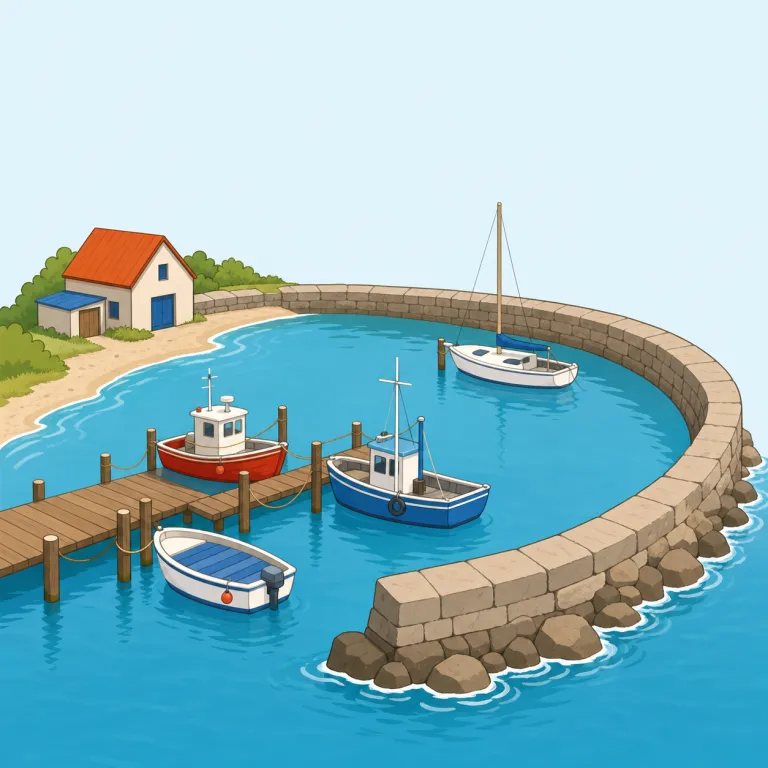
船が出入りしたり停泊したりするための安全な場所を指す名詞。海岸や河口にあり、波や風を避けやすい港をいうことが多い。日常語では fishing harbour のように、漁業や海辺の町と結びついた具体的な港の場面でよく使う。
A sheltered area of water where boats and ships can enter and stay safely. It is often on a coast or at a river mouth, with protection from waves and wind.
覚え方のコツ Memory Tip
名詞の harbour / harbor「港」は、船が外海の波や風から逃れて中に入る安全な場所、と考えると定着しやすい。fishing harbour なら漁船が戻る港、walk around the harbour なら岸壁やフェリーのある港町の場面です。動詞 harbour「感情を抱く」ではなく、ここでは物理的に船が停泊する場所が主役。port よりも、船を守って休ませる入り江・港内のイメージを強く持つと覚えやすい。英式 harbour、米式 harbor。
Picture fishing boats resting safely inside a sheltered area while waves roll outside. Remember fishing harbour as a useful phrase; harbour is the British spelling and harbor is the American spelling.
例文
The fishing boats returned to the harbour before sunset.
漁船は日没前に港へ戻った。
We walked around the harbour and watched the ferries.
私たちは港の周りを歩き、フェリーを眺めた。
The storm forced every ship to stay in the harbour.
嵐のため、すべての船が港にとどまった。
(感情などを)心に抱く
(意味 2)
解説 Definition
harbour は、感情や考え、疑いなどを表に出さず、心の中に抱き続けることを表す動詞です。好意のような前向きな気持ちにも、恨みや不信感のような否定的な感情にも使え、内面に長く持ち続ける響きがあります。
Harbour means to keep a thought, feeling, or intention in your mind for some time, especially a negative one. It is often used with emotions such as anger, doubt, or resentment. The word suggests that the feeling is hidden or quietly continued.
覚え方のコツ Memory Tip
名詞の harbour / harbor「港」を先に思い出すと定着しやすい。港が船を中に入れて安全にとどめるように、動詞 harbour は感情や考えを心の中に住まわせ続けるイメージ。harbour doubts, harbour resentment, harbour suspicion が典型で、hope や ambition にも使えるが、特に不信感や恨みのような「表に出さず抱え込む」文脈で見かけやすい。単なる hold より、内面に長くしまっておく感じが強い。英式 harbour、米式 harbor。
Think of the noun "harbour" or "harbor," a place where ships stay. As a verb, "harbour" means keeping a thought or feeling inside for some time, as if your mind were a port. That is why it often appears in phrases like "harbour doubts," "harbour resentment," or "harbour suspicion."
例文
She still harbours deep feelings for him.
彼女は今も彼への深い思いを心に抱いています。
He harboured anger toward his old friend.
彼は昔の友達への怒りを心に抱いていました。
They harbour hopes for peace.
彼らは平和への希望を心に抱いています。
えいたんごクイズでの正答率
この語をはじめて出題された 33人 のうち 30人 が正解しました(91%)。
えいたんごクイズの回答から集計した独自データです。1人につき最初に出題されたときの1回だけを数えており、復習や2回目以降の回答、「わからない」と時間切れは含みません。 集計時点は 2026年9月19日 です。
かくまう
(意味 3)
解説 Definition
人や動物を危険や追跡から守るために、見つからないよう安全な場所へ置くことを表す動詞。犯罪者や逃亡者をかくまう文脈で使われることが多く、法律や報道では「匿う」に近いやや硬めの響きがある。感情を心に抱く意味とは別の用法。
To give someone or an animal a safe place to hide from danger or pursuit. This fairly formal verb often appears in reports about hiding criminals or fugitives.
覚え方のコツ Memory Tip
名詞の harbour / harbor「港」を先に思い出すと定着しやすい。港が船を外の危険から中に入れて守るように、動詞 harbour は人や動物を安全な場所に入れて「かくまう」イメージ。harbour a fugitive なら逃亡者を隠して守る、harbour an injured dog ならけがをした犬を一時的に置いて守る感じです。doubts や resentment を心に抱く用法とは切り分け、ここでは実際の場所に隠して保護する意味として覚えるとよい。英式 harbour、米式 harbor。
Picture a harbour protecting ships, then imagine a home providing similar protection for someone in danger. Learn harbour a fugitive to connect the verb with hiding and sheltering a person.
例文
They harbour a man at home to hide him from the police.
彼らはある男を警察から隠すため、自宅でかくまっている。
She harboured the injured dog in her garage until help arrived.
彼女は助けが来るまで、けがをした犬をガレージでかくまった。
The family used the cabin to harbour people during the war.
その家族は戦争中、その小屋を使って人々をかくまった。
harbour の類義語・関連語
類義語
派生語
紛らわしい語
harbour の語源・成り立ち Etymology
harbour は古英語 herebeorgian「宿営させる・避難させる」にさかのぼり、here「軍勢」+ beorgian「守る・かくまう」から成る。もとは「兵を泊める」が核で、その安全な避難場所という感覚が、船を波や風から守って泊める「港」という名詞義につながった。関連語は harbor, harbinger。
The word traces back to Old English vocabulary for lodging and sheltering. Its earlier connection with shelter for soldiers developed into the idea of a protected place for ships.
同じレベルの語彙をもっと
外部辞書で調べる
この英単語をクイズで覚えよう