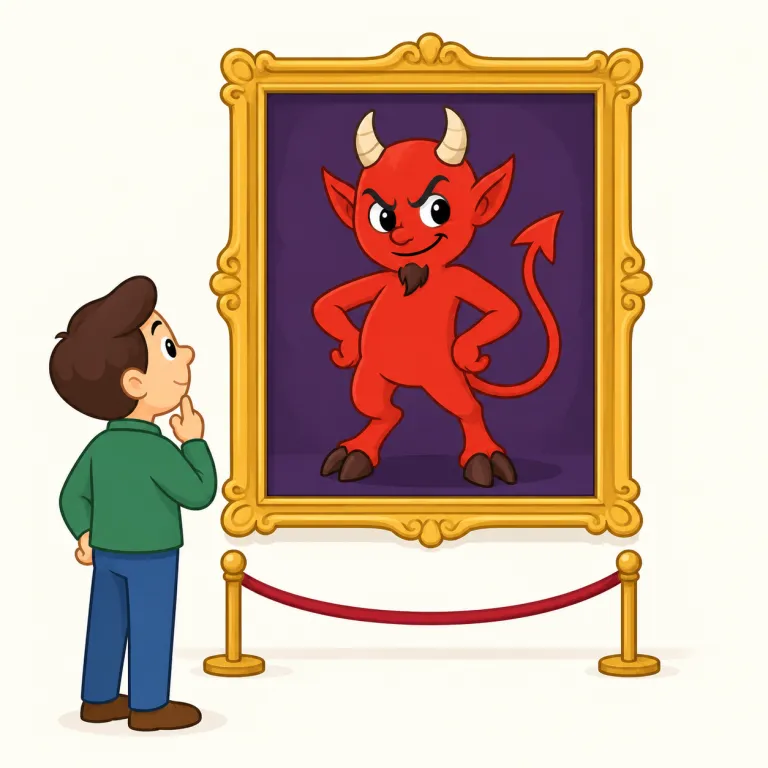
悪魔
解説 Definition
フランス語で悪魔を意味する語。英語では料理用語として、香辛料を効かせた調理法を指すこともある。
Diable is the French word for a devil and is occasionally used in English in archaic, literary, or deliberately French contexts. In culinary names, it may also indicate a strongly seasoned or spicy preparation associated with French cuisine.
覚え方のコツ Memory Tip
diable はフランス語で「悪魔」。英語の devil、diabolical と同じ歴史的な語群として結び付けると覚えやすい。英語では古風・フランス語的な名詞用法のほか、料理名で香辛料を効かせたものを示すことがある。人物像なら evil、料理なら spicy という文脈差を確認しよう。
Connect diable with the familiar English words devil and diabolical. All three belong to the same historical word family, which makes the meaning “devil” easier to retain. In English, diable usually sounds archaic, literary, or intentionally French rather than conversational. Context is important: in art, mythology, or a story, it may name a devilish figure representing evil; on a menu, à la diable or a related culinary expression can indicate a sharply seasoned, spicy preparation. Use the contrast between an evil figure and fiery food as a practical memory cue.
例文
The diable figure appears in art.
その悪魔の姿は芸術作品に登場する。
The mythology includes the diable.
その神話には悪魔が登場する。
The diable represents evil.
その悪魔は悪を象徴する。
diable の類義語・関連語
diable の語源・成り立ち Etymology
diable は英語本来語というより、古フランス語 diable を受けた語形で、さらにラテン語 diabolus、ギリシャ語 diabolos「中傷する者」にさかのぼる。人を引き離し悪く言う者という原義から「悪魔」の意味になった。関連語は devil, diabolical。
Diable is the French continuation of Old French diable, from Latin diabolus and ultimately Greek diabolos, literally a slanderer or accuser. The Greek word was formed from a verb meaning to throw across, attack, or slander, and it developed the religious sense of an evil supernatural being. English devil and diabolical are historically related, though they reached their modern forms through different borrowing and sound histories.
同じレベルの語彙をもっと
外部辞書で調べる
この英単語をクイズで覚えよう