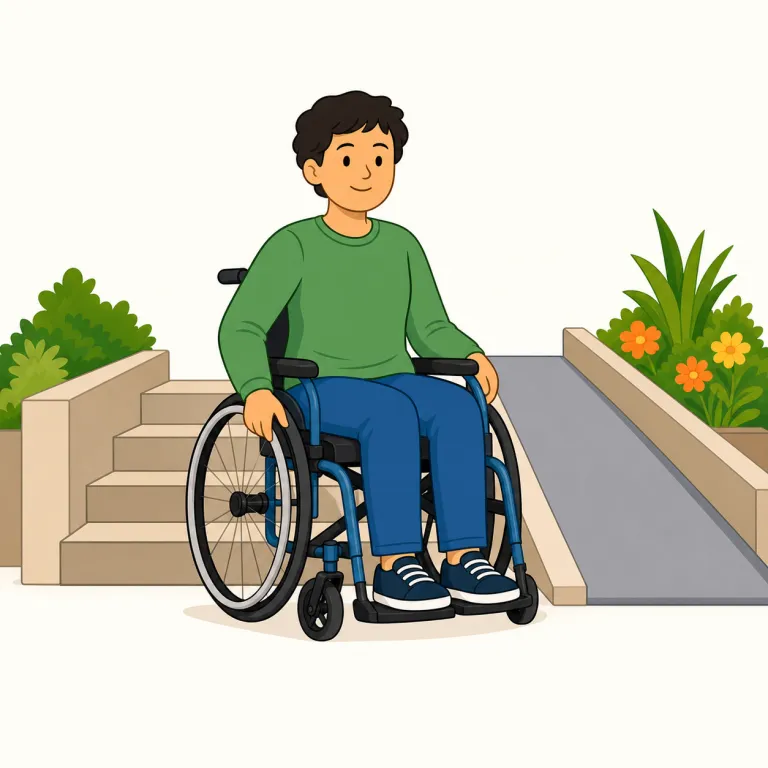
disability
disability は英検2級・TOEFL 60・IELTS 5.5レベルの英単語で、「障害」という意味があります。発音記号は /dɪsəˈbɪlɪti/ です。
障害
解説 Definition
障害とは、身体や精神の機能、または活動に何らかの制限や困難がある状態です。また、物事を成し遂げるうえでの不利な条件や妨げを意味することもあります。
A disability is a physical or mental condition that makes some activities harder to do. It can affect movement, seeing, hearing, learning, or other parts of daily life. The word is often used in medical, social, legal, and education contexts.
覚え方のコツ Memory Tip
まず ability(能力・できること)が見えるかを意識すると覚えやすいです。dis- が付くと「できることに制限がある」方向に意味がずれ、disability で「障害」。単なる inability(できないこと)よりも、身体・精神の機能上の困難や制度上の支援対象として使われやすい語です。people with disabilities, learning disability, disability support のような形でまとめて覚えると定着します。
Start by seeing the base word `ability`. The prefix `dis-` often adds the idea of limitation or difficulty, so `disability` is easier to remember as a change from normal ability. It often appears in phrases like `people with disabilities`, `learning disability`, and `disability support`.
例文
People with disabilities have the same rights as everyone else.
障害のある人は他の人と同じ権利を持っています。
There is a disability support program at the school.
学校には障害支援プログラムがあります。
The disability did not stop him from achieving his goals.
その障害は彼が目標を達成するのを妨げませんでした。
えいたんごクイズでの正答率
この語をはじめて出題された 44人 のうち 38人 が正解しました(86%)。
えいたんごクイズの回答から集計した独自データです。1人につき最初に出題されたときの1回だけを数えており、復習や2回目以降の回答、「わからない」と時間切れは含みません。 集計時点は 2026年9月19日 です。
disability の類義語・関連語
disability の語源・成り立ち Etymology
disability は dis-「欠如・反対」+ ability「できること」。ability はラテン語 habilitas / habilis「適した・扱いやすい」に由来するため、もとは「能力が奪われた状態」で、そこから「障害」の意味になった。関連語は able, enable。
Disability is built from dis- meaning "lack" or "opposite" and ability. Ability comes from Latin habilitas and habilis, meaning "fit" or "easy to handle," which also gave English able and enable. The word first suggested a state where ability was taken away or missing, and later developed into its modern sense.
同じレベルの語彙をもっと
英検2級の一覧へ →外部辞書で調べる
この英単語をクイズで覚えよう