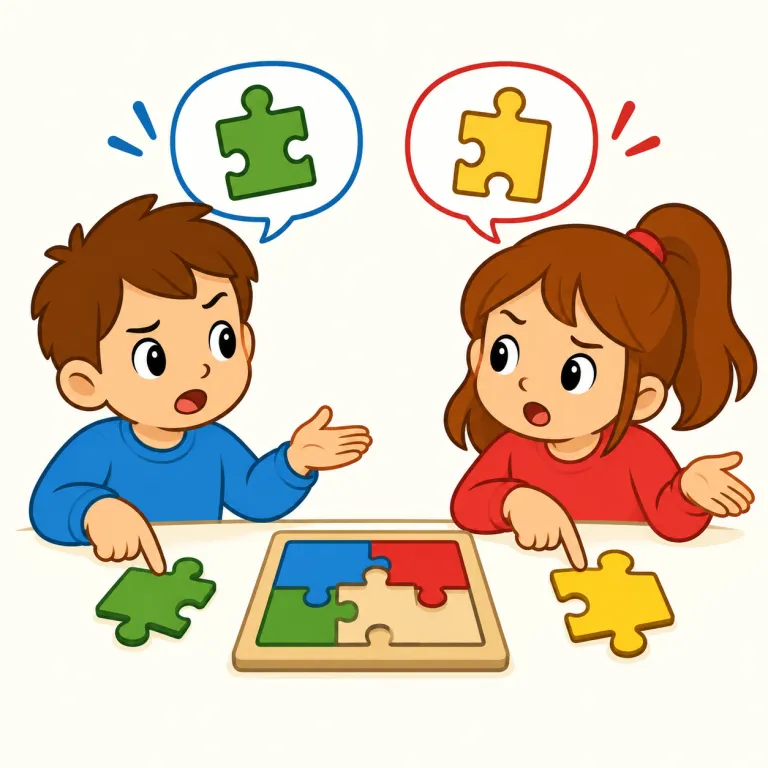
同意しない
解説 Definition
disagreeing は disagree(同意しない、意見が合わない)の現在分詞・動名詞です。人が考えや提案に賛成していない状態を表し、with 人、about 事柄のように使われます。
Disagreeing means expressing or holding an opinion that differs from another person’s view, proposal, or judgment. It can describe an ongoing difference of opinion and commonly occurs with with for a person or position and about or on for a topic.
覚え方のコツ Memory Tip
原形 disagree「同意しない」に -ing をそのまま付けた形です。dis-「反対・不一致」+ agree と分け、agreeing の反対と覚えましょう。disagreeing with a person or plan、disagreeing about the schedule のように、with は相手・意見、about は論点を導くのが典型です。
Build disagreeing from disagree plus -ing, and notice that disagree already contains the negative or separating prefix dis- before agree. The core idea is that two people’s views do not match. Learn the common patterns: disagreeing with a person, speaker, plan, or claim; disagreeing about a schedule or issue; and disagreeing on what to do. It does not necessarily imply anger or an argument. Someone can remain calm and polite while disagreeing. Contrast it with agreeing, where opinions or judgments match.
例文
She is disagreeing with the plan.
彼女はその計画に同意していません。
Several members are disagreeing about the schedule.
数人のメンバーが日程について意見を異にしています。
He stayed polite while disagreeing with the speaker.
彼は話し手に同意しない間も礼儀正しくしていました。
disagreeing の類義語・関連語
disagreeing の語源・成り立ち Etymology
disagreeing は disagree の現在分詞で、古フランス語 desagreer に由来します。dis-「離れて・否定」+ agree(ラテン語 gratus 系「好ましい」)なので、「気持ちや考えが一致しない」から「同意しない」と理解できます。関連語は agree, agreeable。
Disagreeing is the -ing form of disagree. Disagree developed from French désagréer, combining a negative or reversing prefix with the ancestor of agree. Agree itself came through Old French and is historically connected with Latin gratus, “pleasing” or “welcome.” The combined form came to express a lack of harmony, and then specifically a difference in judgment, belief, or opinion.
同じレベルの語彙をもっと
外部辞書で調べる
この英単語をクイズで覚えよう