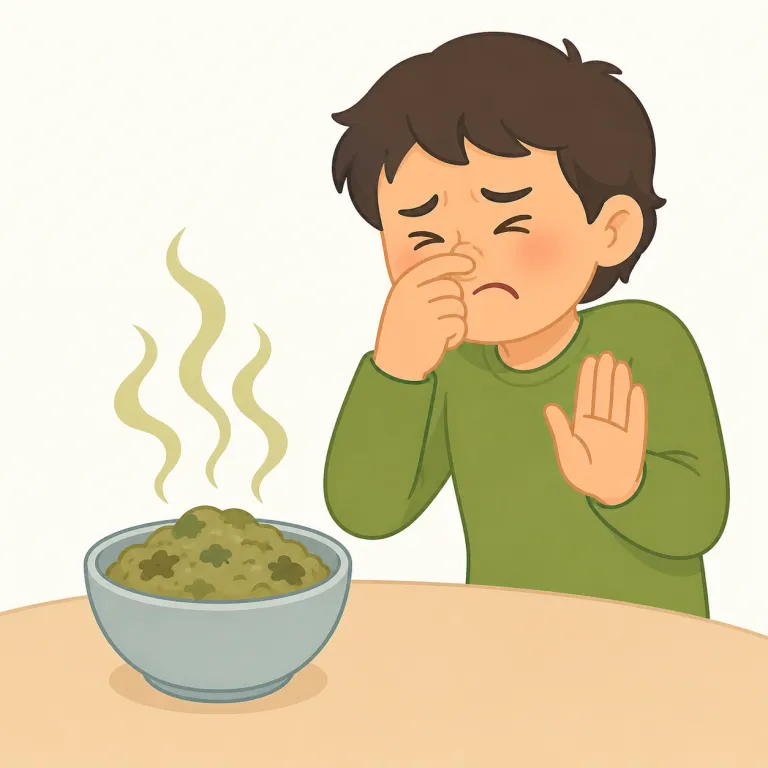
不快な
解説 Definition
不快で気に入らない状態を表す。人が不快な態度や性格を示す場合、または物事や状況が好ましくない場合に用いられる。
Disagreeable means unpleasant, unfriendly, or hard to enjoy. It can describe a person, behavior, experience, smell, weather, or situation that causes discomfort or dislike. When used for a person, it often suggests an unfriendly attitude rather than simple disagreement.
覚え方のコツ Memory Tip
agree は「賛成する」だけでなく「気が合う・感じがよい」にもつながる語。そこに dis- が付くので、disagreeable は「気が合わない」→さらに一歩進んで「感じが悪い、不快な」と覚えると定着しやすい。人なら disagreeable person で「付き合うと嫌な人」、におい・天気・仕事なら「嫌な感じを与えるもの」。単なる『反対意見の』ではなく、相手や状況に触れたときの不快さまで含むのがポイント。
Start with agree, which can mean more than sharing an opinion; it can also suggest something pleasant or acceptable. Add dis-, and the feeling turns negative. So disagreeable is not just "in disagreement" but unpleasant, like a disagreeable person, smell, or task.
例文
His disagreeable attitude made him unpopular at work.
彼の不快な態度のせいで、職場での評判はよくなかった。
The soup had a disagreeable smell.
そのスープは不快なにおいがした。
She found his disagreeable remarks offensive.
彼女は彼の不快な発言に腹を立てた。
disagreeable の類義語・関連語
disagreeable の語源・成り立ち Etymology
disagreeableはdis-「反対」+agree+-ableで、agreeは古フランス語を経てラテン語gratus「好ましい」にさかのぼります。agreeやgratitudeも同根なので、「気に入る」の反対から「不快な」へ進んだと見える語です。
Disagreeable is built from dis- + agreeable. Agree came through Old French and is linked to Latin gratus, meaning "pleasing" or "welcome." The word first carried the idea of not being pleasing or not fitting well with someone's feelings, and this developed into the broader sense of being unpleasant. It is related to agree and gratitude.
同じレベルの語彙をもっと
外部辞書で調べる
この英単語をクイズで覚えよう