食い違う、一致しない
verb 動詞複数の報告・数字・説明などの内容や値が互いに一致しないことを表します。人が反対意見を述べる場合とは異なり、主語にはaccountsやfiguresなどの物事も置かれます。
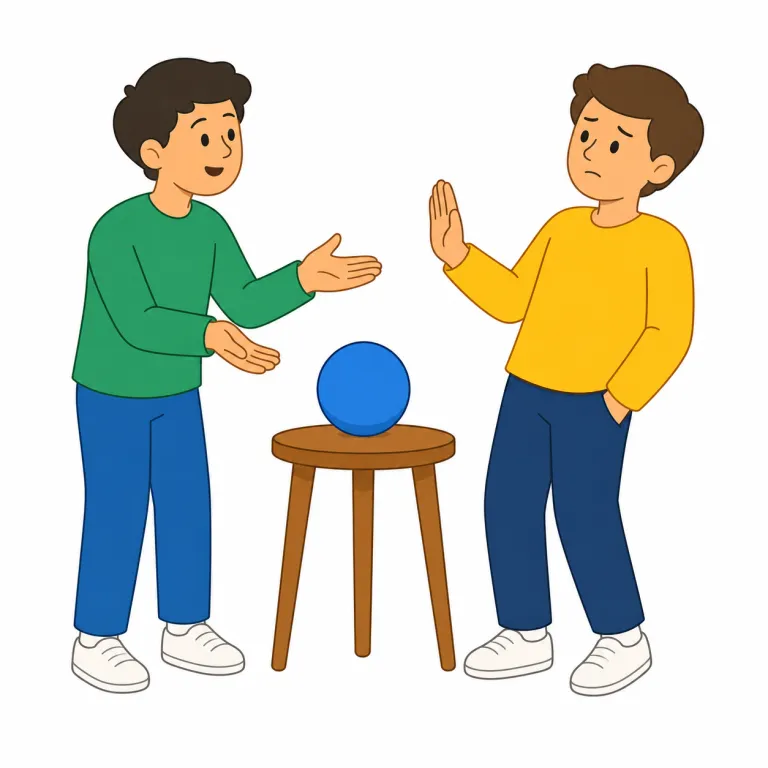
disagree は英検3級・TOEIC 600レベルの英単語で、「同意しない」という意味があります。発音記号は /ˌdɪsəˈɡriː/ です。
何かの意見や提案に対して反対の意見を述べること。自分とは異なる考えがあるときにその違いをはっきりと示す行為です。決定や判断に同意できない場合に自らの立場を明らかにしたり、別の観点を提示したりするためにも使われます。
To disagree means to have a different opinion or not accept what someone else says or thinks. It is commonly used in discussions, arguments, and decision-making. It can describe both polite differences and stronger opposition.
まず agree=「同意する」を土台に置き、先頭に dis- が付くと「反対・ずれ」が加わる、と覚えると形から意味が取りやすいです。完全否定というより「意見が一致しない」感覚で、disagree with 人、disagree about/on 話題の形もセットで覚えると定着します。否定だけを強く言う reject や deny より、会議や議論で「私はそうは思わない」と立場を示す日常的な語です。
Start with `agree`, then add the prefix `dis-`, which often gives an opposite idea. So `disagree` is easy to remember as the opposite of `agree`. Learn common patterns too: `disagree with` a person, `disagree about` or `on` a topic.
I disagree about starting school earlier.
私は学校の始業を早めることには同意しません。
We disagree about the best team.
私たちはどのチームが一番かで意見が合いません。
She disagrees with this idea.
彼女はこの考えに同意しません。
この語をはじめて出題された 62人 のうち 59人 が正解しました(95%)。
えいたんごクイズの回答から集計した独自データです。1人につき最初に出題されたときの1回だけを数えており、復習や2回目以降の回答、「わからない」と時間切れは含みません。 集計時点は 2026年9月19日 です。
文脈によって、次の意味でも使われます。
複数の報告・数字・説明などの内容や値が互いに一致しないことを表します。人が反対意見を述べる場合とは異なり、主語にはaccountsやfiguresなどの物事も置かれます。
食べ物や気候などが人の体に合わず、不快感や体調不良を起こすことを表します。something disagrees with someoneという構文で使われ、単に好みに合わないという意味ではありません。
接頭辞dis-(否定・反対)+ agree(同意する)の構成。agreeは古フランス語agreer=a-(~へ)+ gré(好意)から来ており、ラテン語gratum(喜ばしい)が語源。「好意を持てない→同意しない」。関連語:agreement(合意)、grateful(感謝する)。
Disagree is made from the prefix dis-, meaning "not" or "opposite," and agree. Agree came into English through Old French from Latin roots linked to gratum, meaning "pleasing" or "welcome." The idea developed from "be pleasing together" to "be of the same opinion," so disagree became "not be of the same opinion."
この英単語をクイズで覚えよう