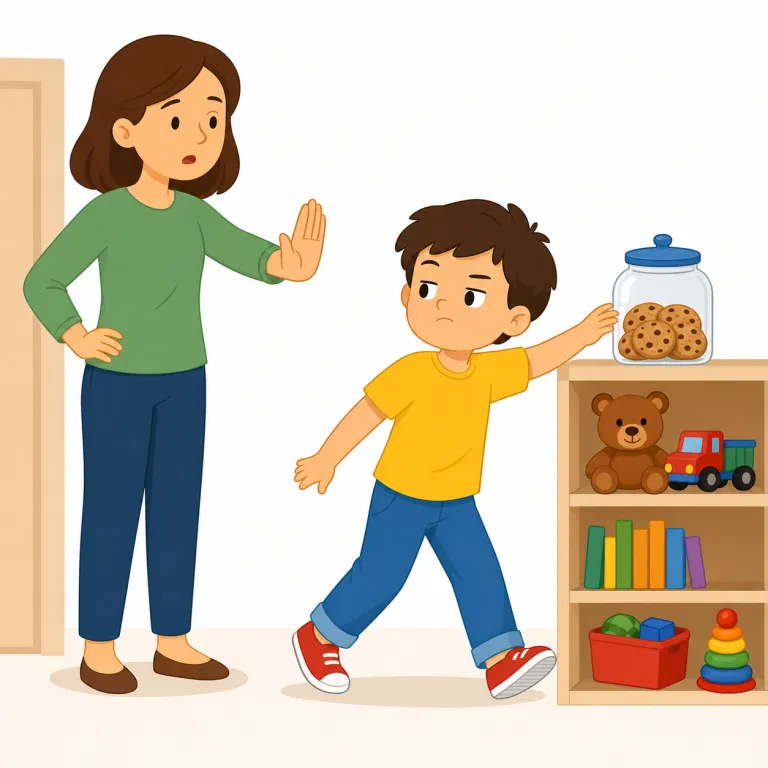
disobey
disobey はTOEIC 860・TOEFL 80・IELTS 6.5レベルの英単語で、「従わない」という意味があります。発音記号は /ˌdɪsəˈbeɪ/ です。
従わない
解説 Definition
命令や指示、ルールに従わないこと。上位者の指示に逆らう行為のこと。
To disobey means to refuse to do what someone tells you to do, or to break a rule or law. It is often used about children, students, soldiers, or anyone expected to follow instructions.
覚え方のコツ Memory Tip
obey(従う)が核で、先頭の dis- は disagree, disconnect と同じく「反対・切り離し」の感覚。この型を知っていると disobey は「obeyしない」より「従う流れに逆らう」と捉えやすいです。単なる不実行ではなく、命令・規則・親や先生の指示など、従うべき相手や基準がある場面で使うのがポイント。disobey orders, disobey the law が定番で、ignore は無視、disobey は違反・反抗寄り、と分けると残ります。
Build it from `obey` plus `dis-`. The prefix `dis-` often gives an opposite idea, so `disobey` means go against an order, rule, or instruction. Remember common phrases like `disobey orders` or `disobey the law`.
例文
The child decided to disobey his parents' rules.
子どもは親のルールに従わないことにしました。
Soldiers who disobey orders face serious consequences.
命令に従わない兵士は、重大な処分を受けることになります。
She chose to disobey the no-left-turn sign and turned left anyway.
彼女は「左折禁止」の標識に従わず、そのまま左折しました。
disobey の類義語・関連語
disobey の語源・成り立ち Etymology
disobey は古フランス語を経てラテン語 oboedire にさかのぼり、dis-「逆らって」+ obey「従う」から成る。obey 自体は「耳を向ける」が原義なので、audience や obedient と結ぶと「聞き入れない」が「従わない」になる理由が分かる。
Disobey is made from dis- and obey. Obey came through Old French from Latin oboedire, which originally meant "to listen to" or "give ear to." From the idea of not listening or not following what is heard, disobey developed the sense "to refuse to obey." It is related to obedient and has a distant link to audience through the idea of hearing.
同じレベルの語彙をもっと
TOEIC 860の一覧へ →外部辞書で調べる
この英単語をクイズで覚えよう