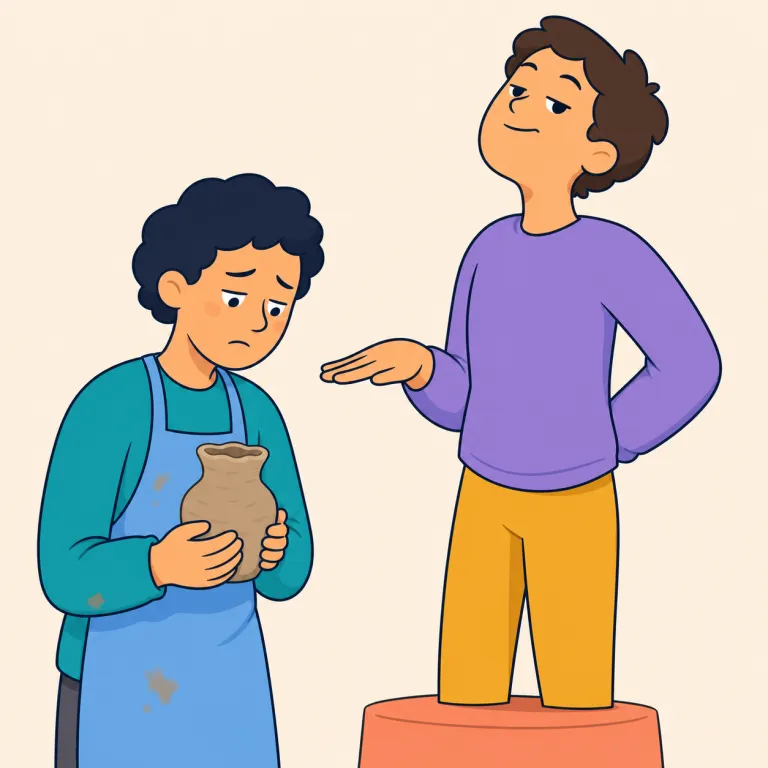
軽蔑的な、見下すような
解説 Definition
人や物の価値、能力、成果などを低く見て、ばかにしたりけなしたりする態度や言い方を表す形容詞。単なる批判よりも、相手を見下して評価を下げる響きが強く、発言や口調、文章の不快さを示すときによく使われる。
Disparaging describes words or attitudes that show disrespect and suggest that someone or something is not valuable or worthy. It is commonly used for comments that sound insulting, dismissive, or belittling.
覚え方のコツ Memory Tip
disparaging はまず動詞 disparage「けなす」を土台に覚える。会話では a disparaging remark / tone の形で出やすく、相手をただ批判するというより、上から価値を下げる感じが強い。critical が「批判的」なら、disparaging は「見下してこき下ろす」寄り。-ing 形でも「進行」ではなく、人や発言がそういう性質を帯びている形容詞。dismissive や insulting に近いが、露骨な悪口というより“鼻で笑って格下げする”響きを意識すると定着しやすい。
Learn it through the common phrase `a disparaging remark` or `a disparaging tone`. It is not just critical; it sounds more like looking down on someone and pushing their value lower. The `-ing` form here works as an adjective, describing speech or attitude with that insulting, superior feeling.
例文
The disparaging comments about her work were unfair and hurtful.
彼女の仕事をけなすようなコメントは不当で、人を傷つけるものだった。
He made disparaging remarks about the competitor's abilities.
彼は競争相手の能力について見下すような発言をした。
The disparaging tone of the article upset many readers.
その記事の軽蔑的な口調は、多くの読者を不快にさせた。
disparaging の類義語・関連語
disparaging の語源・成り立ち Etymology
disparaging は disparage の現在分詞で、語源は古フランス語 disparagier、さらに dis-「離れて」+ parage「同等の身分」にさかのぼります。もとは「不釣り合いな縁組をする」ことで、そこから「相手の格を下げて言う」→「軽蔑する」へ発展しました。関連語は parity, peer です。
Disparaging comes from disparage, which entered English from Old French disparagier. It originally referred to making an unequal match in marriage, from dis- plus parage, meaning equal rank or status. From the idea of lowering someone by treating them as beneath their proper rank, it developed into the sense of speaking of someone with contempt. Related words include parity and peer.
同じレベルの英単語をもっと
外部辞書で調べる
この単語を英単語クイズで覚えよう