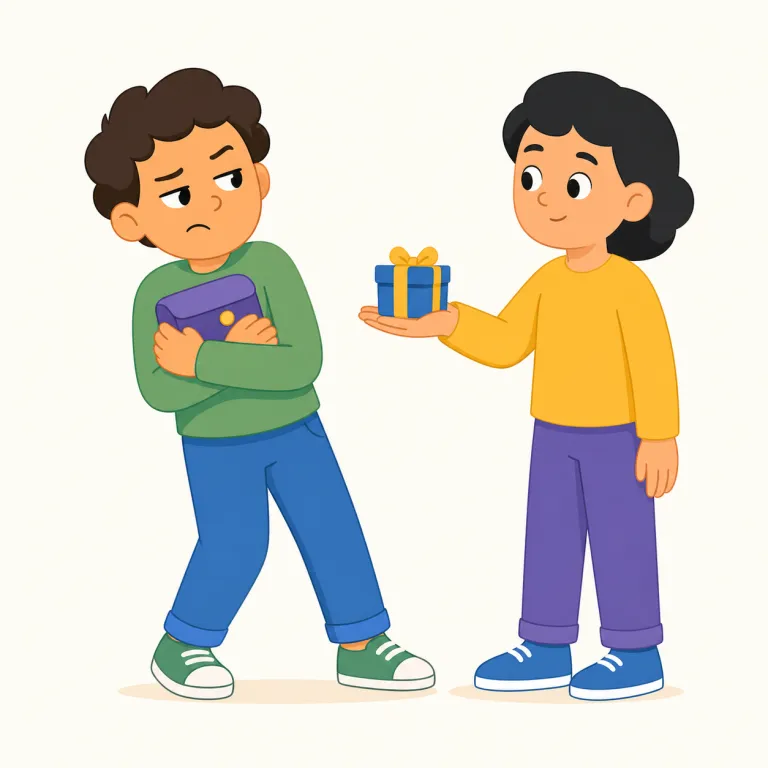
不信感を抱く
解説 Definition
人や事柄を信頼しない、疑わしく思う気持ちを抱くこと。対象に対する不信感や懐疑心を表す。
If someone distrusts a person, thing, or idea, they do not believe it is honest, safe, or reliable. It is used when people feel suspicious because of past experience or lack of proof. This is the present-form verb used with he, she, or it.
覚え方のコツ Memory Tip
trust が「信じる」なので、distrust は dis- によってその信頼を外す感覚で覚えると定着しやすいです。まず trust, entrust, trustworthy を知っていれば、中心イメージは一気につかめます。doubt が「本当かな」と事実を疑う寄りなのに対し、distrust は「相手・組織を信用しない」という対人・対組織の不信感が強め。distrust the government, distrust his motives のような形で場面ごと覚えると使い分けしやすく、distrusts はその三単現です。
Start with `trust`, then add `dis-`, a common prefix that often shows separation or reversal. So `distrust` feels like pulling trust away from someone. It is often used for people or institutions, like `distrust the government`, not just for doubting a fact.
例文
She distrusts politicians because of their past broken promises.
彼女は、政治家が過去に約束を破ったことがあるため、彼らに不信感を抱いている。
He distrusts the company's stated intentions.
彼は会社が表明した意図を疑っている。
The public increasingly distrusts institutions due to scandals.
国民はスキャンダルにより、組織や制度への不信感をますます強めている。
distrusts の類義語・関連語
派生語
distrusts の語源・成り立ち Etymology
dis-(否定)+trust(信頼)の構成。trustは古ノルド語traust(信頼・力)に由来。関連語にtrust(信頼)、entrust(委ねる)がある。信頼を「打ち消す」ことから不信感を抱く意味になった。
Distrusts is built from dis-, giving a negative force, and trust. Trust came from Old Norse traust, meaning confidence, help, or firmness. The word developed from the idea of removing or lacking trust, and related English words include trust and entrust.
同じレベルの語彙をもっと
外部辞書で調べる
この英単語をクイズで覚えよう