強制する、無理強いする
verb 動詞脅しや強い圧力を用いて、人に望まない行動を取らせることを表します。通常は dragoon someone into doing の形で使われ、単に説得するよりも強制的な意味を伴います。
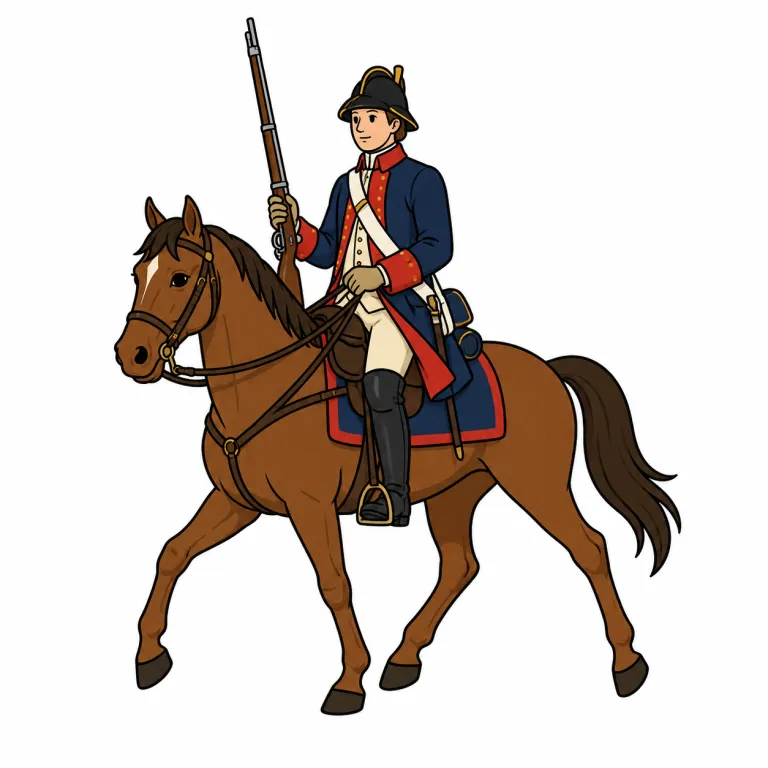
近世ヨーロッパで、もとは馬で移動し、下馬して徒歩で戦った銃装備の兵士です。後代には多くの軍隊で通常の騎兵として扱われるようになりました。
A dragoon was a type of soldier in older European armies who traveled on horseback. The word is mostly used in historical contexts, not for modern military forces.
dragon に形が近いので、まず『荒々しく突進する騎兵』の絵で覚えると残りやすい。現代英語では日常語ではなく、歴史・軍事文脈で出る語で、soldier や cavalry よりかなり限定的。knight のような中世の重装騎士ではなく、『馬で機動し、銃も使う兵』とセットで固定するとよい。the dragoons, a dragoon regiment のように部隊名で見かけやすく、動詞 dragoon「力ずくで従わせる」との品詞違いにも注意。
`Dragoon` looks a little like `dragon`, which can help you picture fierce soldiers on horseback. It is a historical military word, more specific than `soldier` or `cavalry`. Remember it with phrases like `the dragoons` or `a dragoon regiment`, and do not mix it up with the verb `dragoon`.
The dragoons charged across the battlefield on horseback.
竜騎兵は馬に乗って戦場を突き進んだ。
The regiment of dragoons was feared for its speed and mobility.
その竜騎兵連隊は、速さと機動力で恐れられていた。
Dragoons were essential to Napoleon's military strategy.
竜騎兵はナポレオンの軍事戦略に不可欠だった。
文脈によって、次の意味でも使われます。
脅しや強い圧力を用いて、人に望まない行動を取らせることを表します。通常は dragoon someone into doing の形で使われ、単に説得するよりも強制的な意味を伴います。
dragoon はフランス語 dragon「竜」から来た語で、さらにラテン語 draco、ギリシャ語 drakon にさかのぼる。dragon や draconic が同系で、火を吐く竜のような銃や勇猛さの連想から「竜騎兵」の名になった。
Dragoon comes from French dragon, meaning "dragon," which goes back to Latin draco and Greek drakon. The name was first linked to a kind of firearm, probably because of its fierce or dragon-like image. From there it became the name of a mounted soldier. Related English words include dragon and draconic.
この英単語をクイズで覚えよう