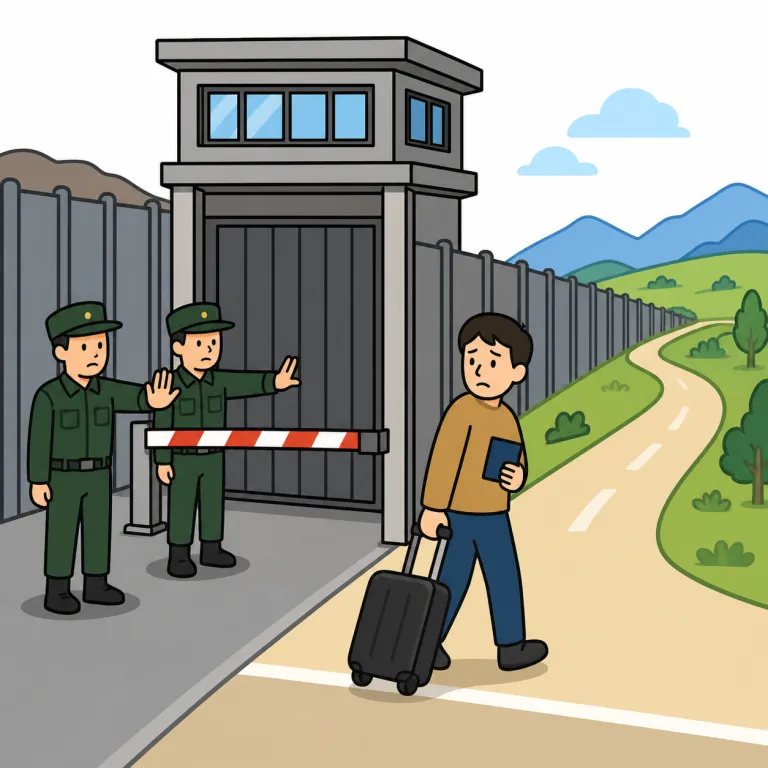
exile
exile は英検準1級レベルの英単語で、「国外追放、亡命、亡命者」という意味があります。発音記号は /ˈɛkˌsaɪl/ です。
意味一覧 (3件)
国外追放、亡命
解説 Definition
自分の国から追い出されて、ほかの国や土地で暮らすことです。また、危険や政治的な理由などで、自分の国を離れてよその国で暮らすことも表します。
The state of being forced to leave one's country, or of living in another country because it is unsafe or impossible to stay at home.
覚え方のコツ Memory Tip
exile は「祖国の外で暮らさざるを得ない状態」を一枚の場面にすると覚えやすい名詞です。旅行や単なる移住ではなく、追放されたり、戦争・政治的危険を避けたりして帰国できない重さがあります。be in exile「亡命・追放生活中である」、go into exile「亡命する」、return from exile「亡命先から帰る」を一組で覚えるのが有効。ex- の「外へ」という感覚を、国境の外に押し出された人物像につなげると定着しやすいです。
Think of ex- as “out.” Exile means being out of your own country because you were forced to leave or had to escape.
例文
The king spent ten years in exile.
その王は10年間、国外追放の身で過ごしました。
Many families went into exile during the war.
戦争の間、多くの家族が亡命しました。
Her exile ended when she was allowed to return home.
帰国を許されたとき、彼女の亡命生活は終わりました。
亡命者
(意味 2)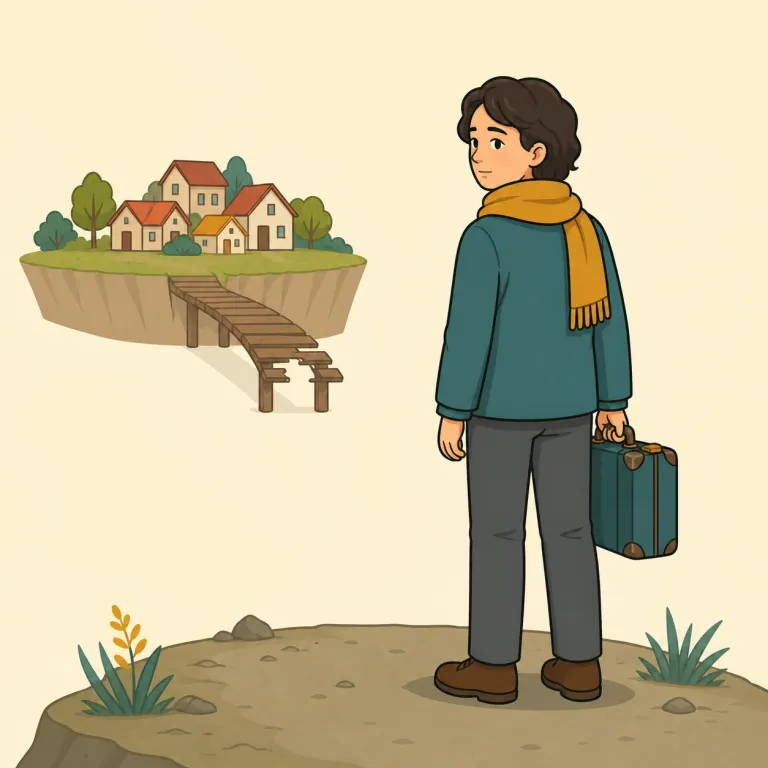
解説 Definition
祖国を離れて他国に住む人、または追放された人。政治的理由から国から逃げた人を指す。
Exile is the state of being forced to live away from your home country, usually for political reasons. It can also mean the act of sending someone away or the period of living in that condition. This word is often used in history, politics, and literature.
覚え方のコツ Memory Tip
exile は exit・external・exclude などの ex-「外」の仲間としてまとめると覚えやすい語。核のイメージは「自分の国・居場所の外に置かれた人」。特に政治的事情で祖国を離れた文脈で使われ、in exile, live in exile, political exile などの形が頻出する。単なる海外在住者や旅行者ではなく、“帰れない/戻りにくい”切断感があるのが重要。refugee よりも、祖国から遠ざけられた立場そのものに焦点がある。
Use the prefix `ex-`, which often means `out` or `outside`, as in `exclude` or `external`. That helps you remember `exile` as being outside your home country or usual place. Phrases like `live in exile` or `political exile` make the word easier to fix in memory.
例文
The political exile spent decades abroad before returning home.
その政治的亡命者は帰国する前に何十年も海外で過ごした。
He lived as an exile in Paris during the war.
彼は戦争中にパリで亡命者として生活していた。
The exiles formed a community of displaced persons.
亡命者たちは追放された人々の共同体を形成した。
えいたんごクイズでの正答率
この語をはじめて出題された 47人 のうち 27人 が正解しました(57%)。
えいたんごクイズの回答から集計した独自データです。1人につき最初に出題されたときの1回だけを数えており、復習や2回目以降の回答、「わからない」と時間切れは含みません。 集計時点は 2026年9月19日 です。
亡命者
(意味 3)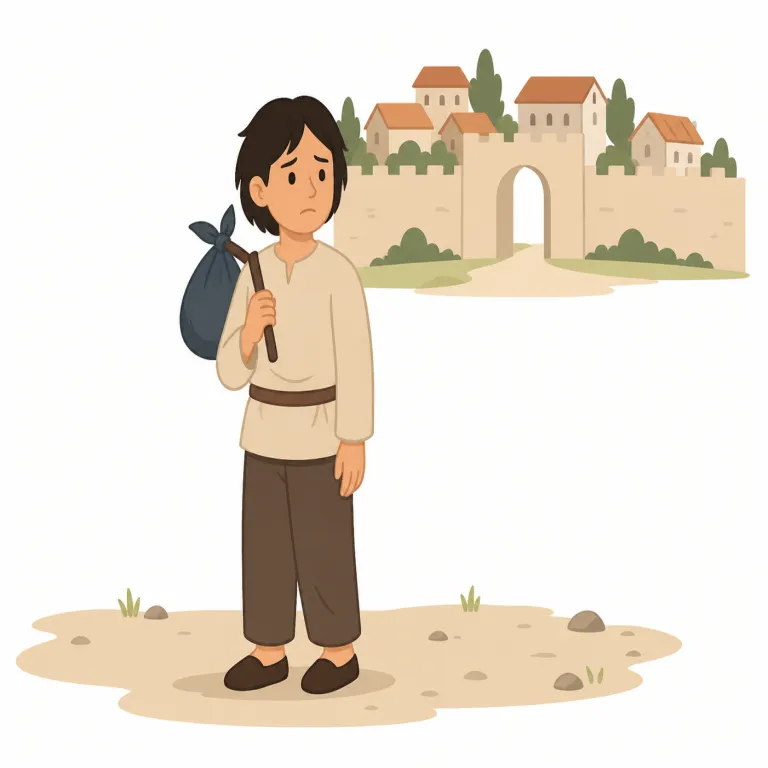
解説 Definition
故国や居住地を離れることを強いられ、他国や遠方で暮らす人を指す名詞です。政治的迫害や戦争、処罰などで祖国に戻れない文脈でよく使われます。自ら出国した場合にも、故郷から切り離された境遇を強調するときに使われ、単なる旅行者や移住者より重い響きがあります。
A person who lives away from their homeland because they have been forced out or circumstances make returning difficult. Often used in political contexts, the word emphasizes separation from home even when the person chose to leave.
例文
The writer lived as an exile for many years.
その作家は長年、亡命者として暮らした。
The island once held political exiles.
その島にはかつて政治的亡命者たちが収容されていた。
Even in safety, he still felt like an exile.
安全な場所にいても、彼はなお自分を亡命者のように感じていた。
exile の類義語・関連語
対義語
派生語
紛らわしい語
exile の語源・成り立ち Etymology
ラテン語の exilium「追放、国外へ追いやられること」に由来します。もとは「外へ」という意味の ex- と、離れて行くことに関係する語からできたと考えられています。
Exile comes from Latin exilium, meaning “banishment” or “being driven away.” It is connected with the idea of going out or away from one's home country.
同じレベルの語彙をもっと
英検準1級の一覧へ →外部辞書で調べる
この英単語をクイズで覚えよう