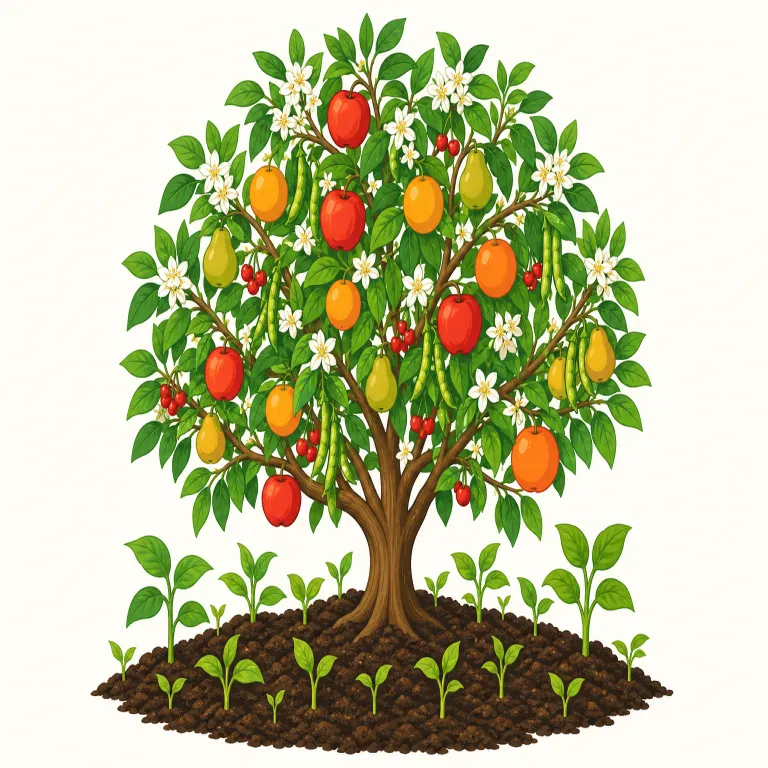
多産性・豊かな生産力
解説 Definition
生物が多くの子孫を生み出す能力。土地や知性の豊かな生産力を指すこともある。
Fecundity means the ability to produce many young, results, or ideas. It is often used in biology for plants or animals, but it can also describe great creative or productive power. This is a formal word and is more common in academic or literary contexts.
覚え方のコツ Memory Tip
fecundity は、まず形容詞 fecund「多産な」+名詞語尾 -ity「性質」で見ると整理しやすい。意味は fertile や productive に近く、子どもや作物がよく増える感じから、ideas, imagination, culture などの「豊かな生み出す力」にも広がる。biological fecundity, soil fecundity, the fecundity of her imagination のように、生命・土地・発想の3場面で覚えると定着しやすい。prolific が「作品を多く出す人」に寄りやすいのに対し、fecundity は能力や性質そのものをやや硬く述べる語。
See `fecund` + `-ity`: the quality of being fecund. Link it with simpler words like `fertile` and `productive`, but remember it sounds more formal and abstract. It often appears in three areas: life, land, and imagination.
例文
The fecundity of the rabbit population surprised the researchers studying the ecosystem.
ウサギの個体群の繁殖力は、生態系を研究する研究者たちを驚かせた。
The author's fecundity was remarkable — she published three novels in a single year.
その作家の創作力は驚くべきもので、一年に三冊の小説を出版した。
The fecundity of the volcanic soil made the region ideal for agriculture.
火山性土壌の豊かな生産力によって、その地域は農業に適した土地となった。
fecundity の類義語・関連語
fecundity の語源・成り立ち Etymology
fecundity は fecund+-ity で、ラテン語 fecundus「実り多い・多産の」に由来します。fecund や fecundate が同系で、もとは畑や子孫がよく実る感覚です。だから人や動物だけでなく、発想や文化の「豊かな生産力」にも広がって使われます。
Fecundity comes from fecund plus the noun ending -ity. Fecund goes back to Latin fecundus, meaning "fruitful" or "very productive." It first suggested rich growth in fields or many offspring, then widened to ideas like creative or cultural richness. Related English words include fecund and fecundate.
同じレベルの語彙をもっと
外部辞書で調べる
この英単語をクイズで覚えよう