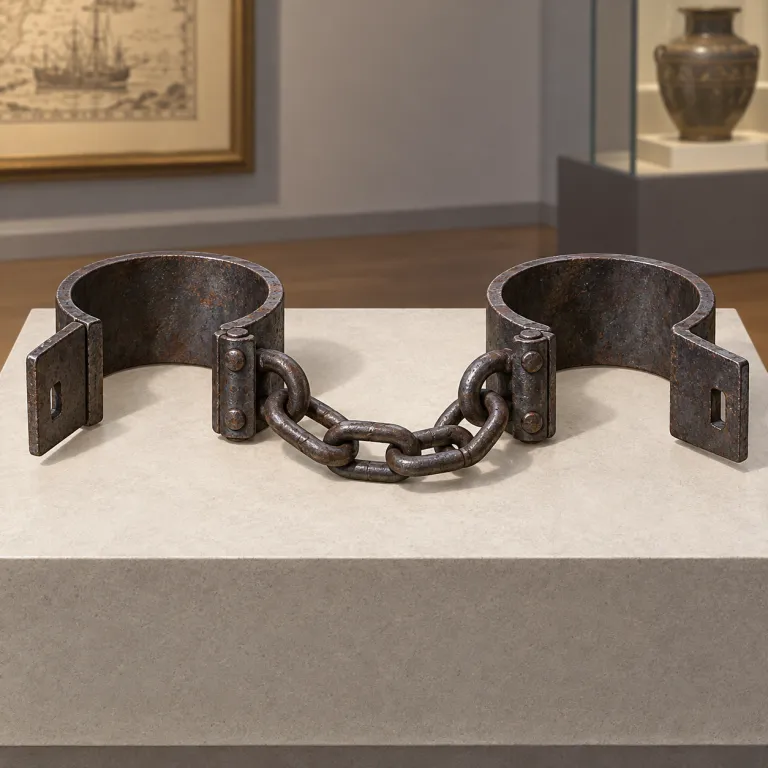
足かせ
解説 Definition
足かせは足に付けられる束縛です。または、進捗を妨害するものを比喩的に指します。
A fetter is a chain or restraint put on someone's feet to stop movement. More generally, it means anything that limits a person's freedom, action, or progress. It is often used in formal or literary contexts.
覚え方のコツ Memory Tip
文字どおりは足にはめる鎖。まず「自由に動けない状態」を核に置くと覚えやすい。比喩では economic fetters, bureaucratic fetters のように、行動や成長を縛る「足かせ」によく使う。chain や shackle も拘束だが、fetter は足を取られて前進できない感じが強い。feather とつづりが少し似るので混同注意。break the fetters, be fettered by rules まで一緒に入れると、名詞・動詞の両方の感覚が残る。
Think of `fetter` as a word close to `chain` or `shackle`, especially around the feet. It often suggests something that stops movement or progress, not just simple control. Remember common patterns like `break the fetters` or `be fettered by rules`.
例文
The prisoner wore heavy fetters.
囚人は重い足かせをつけていました。
Metaphorical fetters limit personal freedom.
比喩的な足かせは、個人の自由を制限します。
Removing the fetters finally set the prisoner free.
足かせを外すと、囚人はついに自由になりました。
fetter の類義語・関連語
fetter の語源・成り立ち Etymology
fetterは古英語fetor「足かせ」に由来し、もともと足に付ける鎖を指しました。語の芯にあるのは「足を縛って動けなくする」感覚で、そこから物理的な足かせだけでなく自由を束縛する比喩にも広がります。footやfetlockも近い仲間です。
"Fetter" comes from Old English "fetor," meaning "chain" or "shackle for the feet." It originally referred to a physical restraint placed on the legs or ankles. From that concrete sense, it developed a wider figurative meaning of anything that restricts freedom or movement. It is related to old foot-based words such as "fetlock."
同じレベルの語彙をもっと
外部辞書で調べる
この英単語をクイズで覚えよう