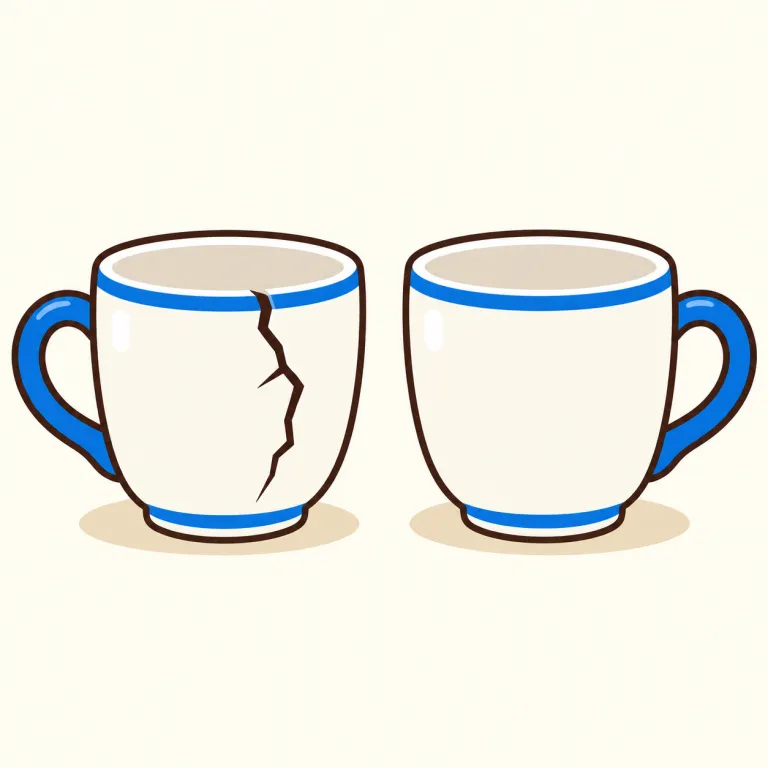
欠陥のある
解説 Definition
flawed は flaw(傷をつける、欠陥を生じさせる)の過去形・過去分詞で、形容詞として「欠陥のある」という意味です。計画、考え方、製品などに問題点や弱さがある場合に使われます。
Something flawed contains a defect, weakness, or error that reduces its quality, reliability, or effectiveness. The adjective commonly describes plans, reasoning, methods, products, and results that are not completely sound.
覚え方のコツ Memory Tip
flawed は flaw「欠陥」に -ed が付いた形で、形容詞として「欠陥のある」を表します。発音は /flɔːd/ で -ed は独立した音節になりません。a flawed plan/result/argument のように、一見使えそうでも内部に弱点や誤りがあるものに使います。broken が完全な破損を示しやすいのに対し、flawed は欠点の存在に焦点を当てます。
Begin with flaw, a defect or weak point, and add -ed to form flawed, “having a flaw.” The ending is pronounced /d/, so flawed is one syllable and rhymes approximately with “awed.” Use it for things that may look workable but contain an important weakness: a flawed plan, a flawed result, or a flawed argument. Unlike broken, which often suggests that something no longer works at all, flawed allows the thing to remain usable or persuasive in part. The key image is a hidden crack that reduces strength without necessarily causing total failure.
例文
The plan was flawed from the beginning.
その計画には最初から欠陥がありました。
This test gave a flawed result.
この検査は欠陥のある結果を出しました。
Her argument was clear but flawed.
彼女の主張は明確でしたが、欠陥がありました。
flawed の類義語・関連語
派生語
紛らわしい語
flawed の語源・成り立ち Etymology
中英語 flawe(破片・裂け目)に由来し、古ノルド語 flaga(薄片)と関連。元は石や金属の「ひび割れ」を指し、そこから「欠点・欠陥」の意味に広がった。名詞 flaw(欠陥)に形容詞化の -ed が付いた形。関連語は flaw, flake。
Flawed is built from the noun or verb flaw plus the suffix -ed. Flaw entered English with senses such as a fragment, crack, or defect and has often been connected with Old Norse flaga, “a slab or flake.” The physical idea of a crack in stone, metal, or another material broadened to an imperfection in reasoning, design, or character. Flawed therefore describes anything marked by such a defect or weakness.
同じレベルの語彙をもっと
外部辞書で調べる
この英単語をクイズで覚えよう