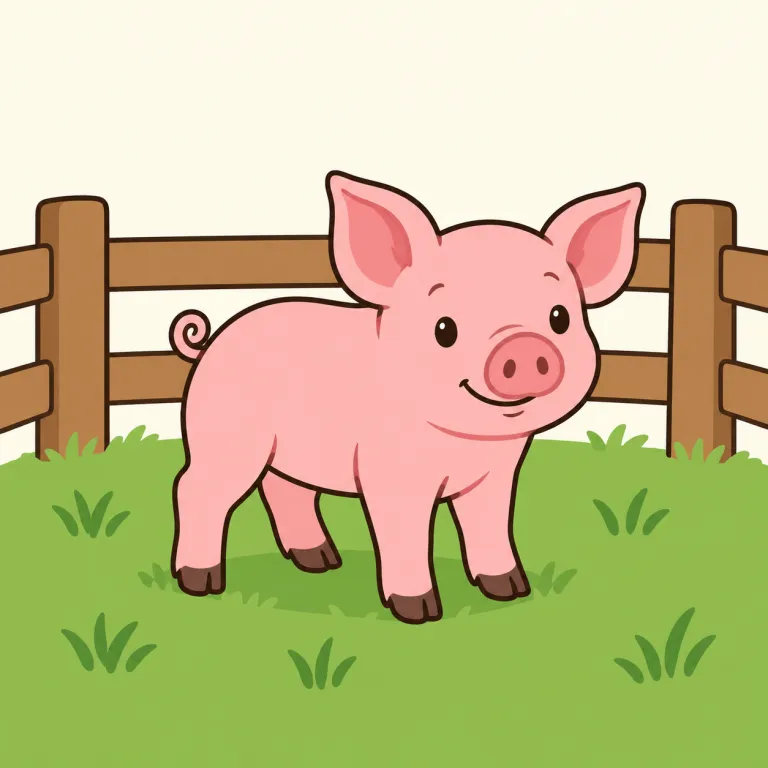
子豚
解説 Definition
主にスコットランド英語で「豚、特に若い豚・子豚」を意味する古風または方言的な名詞。現代の一般英語では piglet や young pig を使う。大文字の Grice は別に英語圏の姓として使われる。
Chiefly in Scots, a grice is a pig, especially a young or suckling pig. The word is now dialectal or archaic, and piglet or young pig is usual in general English. Capitalized Grice is also used as a surname.
覚え方のコツ Memory Tip
grice は主にスコットランドで「子豚」を表す古い語。現代英語の piglet に置き換えて覚える。大文字の Grice は姓であり、grace「優雅さ、恩寵」とも区別する。
Match dialectal grice with the familiar word piglet. Capitalized Grice may be a surname, but lowercase grice traditionally means a young pig. Do not confuse it with grace, which has a different vowel, meaning, and history.
例文
The farmer kept each grice in a small pen.
農夫はそれぞれの子豚を小さな囲いで飼っていた。
A grice followed the sow across the yard.
一匹の子豚が雌豚の後について庭を横切った。
The old Scots story mentions a hungry grice.
その古いスコットランドの物語には、空腹の子豚が登場する。
grice の類義語・関連語
類義語
紛らわしい語
grice の語源・成り立ち Etymology
「子豚」を表す grice は、中英語 grys/grise を経て古ノルド語 gríss「豚」に由来する。Graceの語源であるラテン語 gratia とは別系統である。大文字の Grice は姓としても使われる。
The noun grice, meaning “a young pig,” comes from Middle English grys or grise, from Old Norse gríss, “pig.” It is unrelated to the Latin gratia history of grace. Grice is also established separately as a surname.
同じレベルの語彙をもっと
外部辞書で調べる
この英単語をクイズで覚えよう