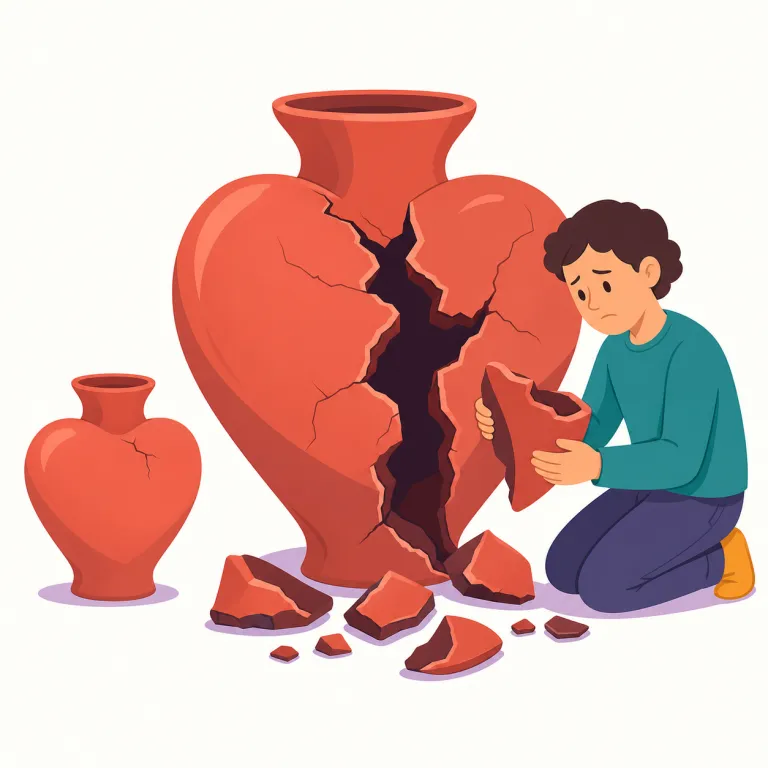
重大な、深刻な
解説 Definition
被害、損失、過失などが非常に重大で深刻であること、またはけがや苦痛がひどいことを表す形容詞です。日常会話よりやや硬い語で、戦争被害、重傷、重大な過ちなど、深刻さを強く示したい場面で使われます。
Grievous means very serious, severe, or causing great pain or harm. It is often used in formal or literary contexts for injury, loss, mistakes, or suffering. The word sounds stronger and more emotional than simply saying serious.
覚え方のコツ Memory Tip
grief(深い悲しみ)や grieve(ひどく悲しむ)を知っていると、grievous は『人を深く苦しめるほど重大』とつながります。serious や severe より硬く、単に深刻というだけでなく、被害・苦痛・損失の大きさまで感じさせる語です。grievous injury, grievous harm, a grievous mistake の形で覚えると定着しやすいです。日常会話の軽い「大変」には不向きで、重傷・重大被害・重大な過失の文脈で出る語だと押さえると迷いません。
`Grievous` is closely connected to `grief` and `grieve`. That link can remind you that this word is used for something very serious, painful, or damaging. It often appears in strong combinations like `grievous harm` or `grievous injury`.
例文
The war resulted in grievous loss of life and suffering.
その戦争は甚大な人命の損失と苦しみをもたらしました。
He suffered a grievous injury that would change his life forever.
彼はその後の人生を一変させるほどの重いけがを負いました。
The earthquake caused grievous damage to the city's infrastructure.
その地震は都市のインフラに深刻な被害を与えました。
grievous の類義語・関連語
派生語
紛らわしい語
grievous の語源・成り立ち Etymology
grievous は古フランス語 grief を経て、ラテン語 gravis「重い」にさかのぼります。語幹 griev- に -ous が付いて「重たさを帯びた」が原感覚で、そこから「深刻な・つらい」へ広がりました。gravity や aggravate にも同じ「重さ」が残っています。
Grievous came through Old French from Latin gravis, meaning "heavy." The original feeling was of something weighty or hard to bear. From physical heaviness, the sense widened to emotional or moral seriousness; gravity and aggravate come from the same root.
同じレベルの語彙をもっと
外部辞書で調べる
この英単語をクイズで覚えよう