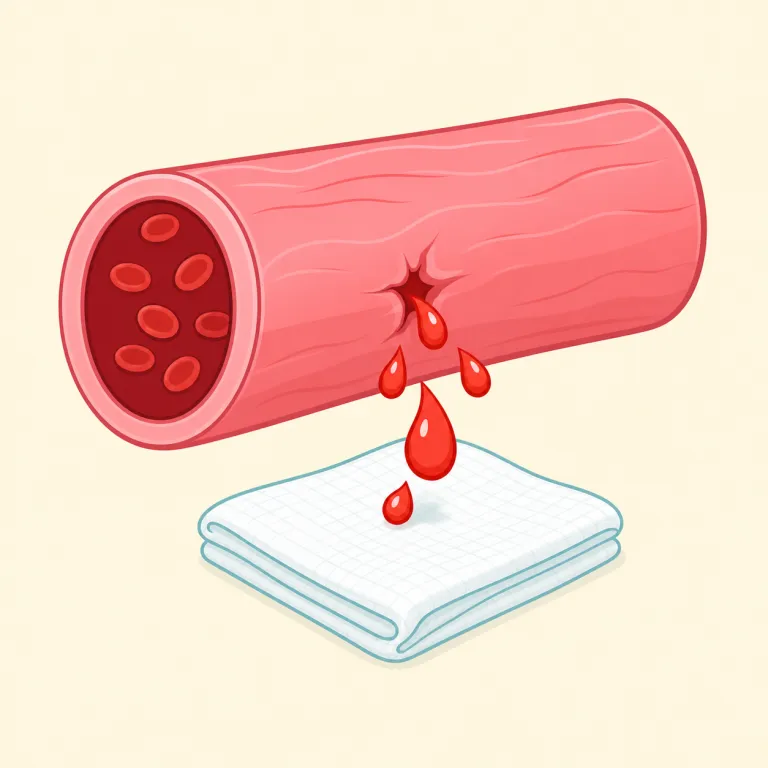
大量流出、急激な喪失
noun 名詞組織・人材・資金などが短期間に大量に失われることを比喩的に表します。a haemorrhage of staffやa haemorrhage of cashなどの形で用い、通常の減少より急激で深刻な流出であることを強調します。
血液などの重要な液体が大量に流出すること。医学的には内部または外部からの出血を指す。
Haemorrhage is the British spelling of "hemorrhage" and means heavy bleeding, especially inside or outside the body because of injury or illness. It is mostly used in medical contexts, and it can also be used more generally for a rapid serious loss of something.
まず中心にある hemorrhage / haemorrhage の核は「hage」ではなく、見慣れた hem- 系の「血」を連想して押さえると覚えやすいです。hemoglobin, hematology などと同じく医療語で出やすく、意味は単なる bleed よりずっと重く「大量出血・止まらない出血」。news や医療文脈では severe haemorrhage, internal haemorrhage の形でよく出ます。英式は ae を入れる haemorrhage、米式は hemorrhage。つづり差で迷いやすい語なので、意味の重さと英米差をセットで固定すると残りやすいです。
Focus on the medical root `hem-` or `haem-`, which is linked to blood, as in `hemoglobin`. That makes `haemorrhage` easier to remember as a serious medical word, not just an ordinary `bleed`. Also note the spelling pair: British English often uses `haemorrhage`, while American English usually uses `hemorrhage`.
The patient suffered a severe haemorrhage during surgery.
患者は手術中に大量出血を起こした。
Haemorrhage control is a critical skill in emergency medicine.
止血は救急医療における重要なスキルである。
The wound caused a massive haemorrhage.
その傷は大量の出血を引き起こした。
文脈によって、次の意味でも使われます。
組織・人材・資金などが短期間に大量に失われることを比喩的に表します。a haemorrhage of staffやa haemorrhage of cashなどの形で用い、通常の減少より急激で深刻な流出であることを強調します。
ギリシャ語 haima「血」と rhēgnynai「破裂して噴き出す」が源で、後期ラテン語を経て英語へ。haem/o「血」+ -rrhage「激しく流れ出る」に分かれ、ただの出血でなく「血が破れてどっと出る」感覚が見える。hematology や hemoglobin も同じ血の語根をもつ。
Haemorrhage comes through Late Latin from Greek roots meaning "blood" and "to burst forth." It is built from haima "blood" and a verb that gave the sense of breaking or bursting out in a flow. Because of that history, the word suggests blood pouring out violently, not just ordinary bleeding; hematology and hemoglobin share the same blood root.
この英単語をクイズで覚えよう