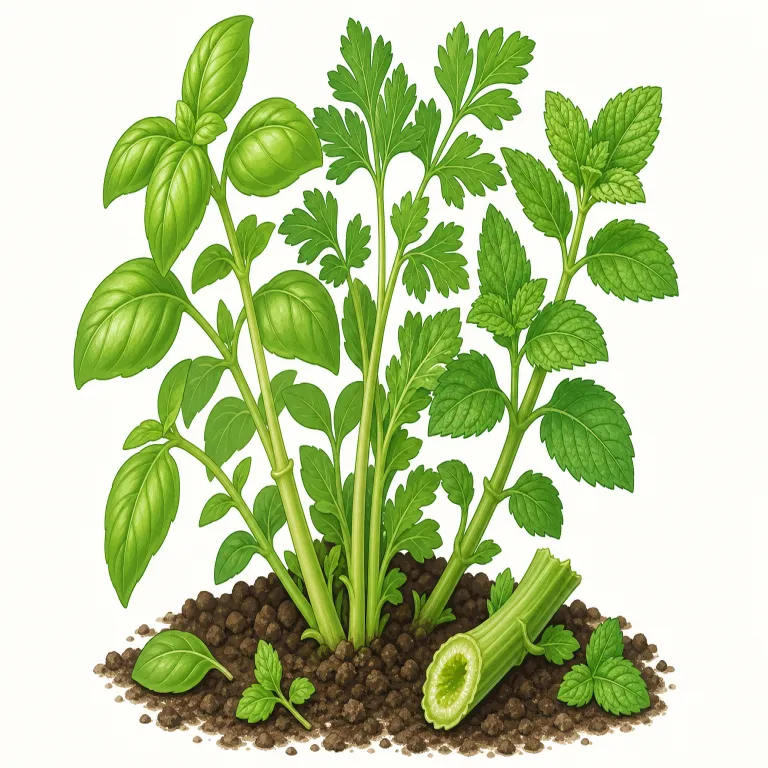
ハーブや草のような、青臭い
adjective 形容詞飲食物や香りについて、ハーブや青草を思わせる風味・香りがあることを表します。特にワインや香水の説明で使われ、植物学上の「草本の」という分類ではなく、感覚的な特徴を示します。
草本植物に属し、木質ではなく柔らかい茎を持つ性質を表す形容詞です。多年草や一年草のように、冬になると地上部が枯れやすい植物に使われます。木のように幹が固くならない植物について用いられます。
Herbaceous describes a plant that has soft, green stems instead of hard, woody ones. It is often used in botany and gardening to talk about flowers, herbs, and other non-woody plants. The word can also describe something that has the fresh smell or character of herbs.
まず herb を知っていると覚えやすい語です。herbal tea の herb と同じ核で、「草っぽい植物の性質」とつなげると意味が安定します。特に woody(木質の、幹が固い)との対比で覚えるのが有効で、herbaceous plant は「木ではなく、茎がやわらかい草本植物」。園芸や植物の説明でよく出て、herbaceous border, herbaceous stem のように使われます。herbal は「薬草・香草の」、herbaceous は「植物体が草本的」という違いに注意すると混同しにくいです。
Start with the familiar word `herb`. `Herbaceous` means "having the nature of herbs or soft-stem plants," so connect it with green, non-woody growth. It is easiest to remember next to `woody`: herbaceous plants are soft, not hard like trees.
Herbaceous plants are softer and more flexible than woody plants.
草本植物は木本植物より柔らかく、より柔軟性があります。
The garden is filled with colorful herbaceous plants.
庭は色鮮やかな草本植物でいっぱいです。
Unlike trees, herbaceous stems die back each winter.
木と異なり、草本の茎は毎年冬に枯れます。
文脈によって、次の意味でも使われます。
飲食物や香りについて、ハーブや青草を思わせる風味・香りがあることを表します。特にワインや香水の説明で使われ、植物学上の「草本の」という分類ではなく、感覚的な特徴を示します。
ラテン語 herba「草」に、性質を表す接尾辞 -aceous が付いた語で、中世フランス語を経て英語に入りました。herbal や herbivore も同じ herba 系で、「草そのものらしい性質」と考えると herbaceous の意味がすっとつかめます。
Herbaceous comes from Latin herba, meaning "grass" or "small plants," with the adjective ending -aceous, through Medieval French and Latin forms. It originally meant having the nature of herbs or grass-like plants. Related English words include herbal and herbivore, which share the same herba root.
この英単語をクイズで覚えよう