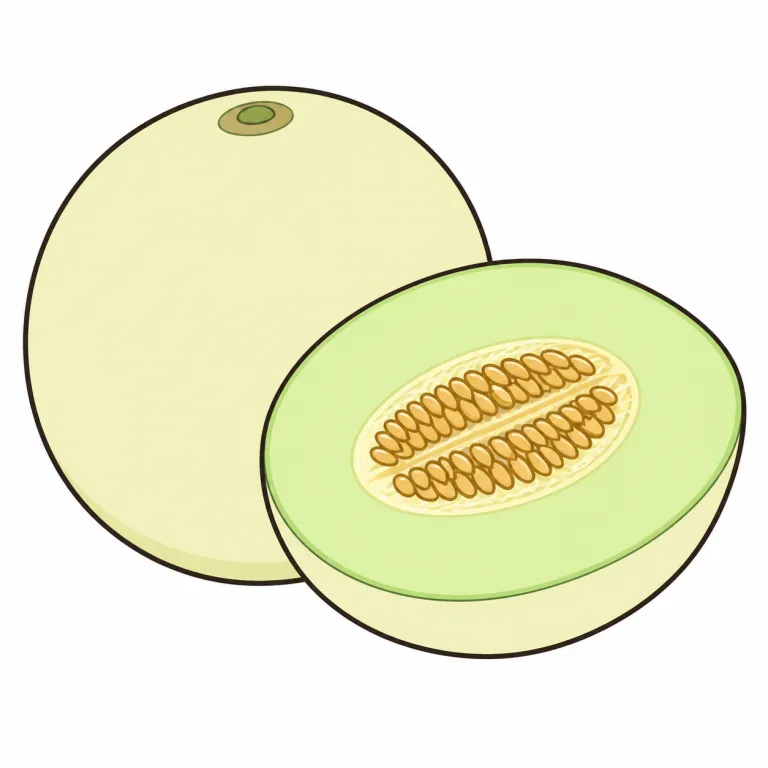
ハニーデュー(メロンの一種)、甘露
解説 Definition
熟すと淡い緑色の果肉を持つ甘いメロンの一種を指す語としてよく使われる。また、アブラムシなどが出す糖分を含んだ粘つく分泌物を指すこともあり、文脈によって果物か虫の分泌液かを判断する必要がある。
Honeydew is a type of sweet melon with pale green flesh. It is commonly mentioned in food, cooking, and grocery contexts. The word can also refer to a sweet sticky substance made by some insects, but the melon meaning is more common in everyday English.
覚え方のコツ Memory Tip
まず fruit 名では honeydew melon という固まりで覚えると定着しやすい。honey が入るので「とにかく甘いメロン」の印象を先に作る。英語では melon を省いて honeydew だけで言うこともある。スーパーやフルーツ、スムージーの文脈ならまずこの意味。似た melon 語の cantaloupe より、淡い緑の果肉を連想して区別すると残りやすい。一方で生物文脈では aphids produce honeydew のように、虫の出す甘い分泌液も指すので、食べ物の話か昆虫の話かで意味を切り替える。
Remember it first as the fixed phrase `honeydew melon`. The word `honey` gives you a strong memory hook: think of a very sweet melon, often with pale green flesh. In biology, `honeydew` can also mean a sweet liquid from insects, so let the topic decide which meaning you need.
例文
We bought a ripe honeydew melon from the farmers' market.
私たちはファーマーズマーケットで熟したハニーデューメロンを買った。
Aphids produce honeydew, a sticky substance that attracts ants.
アブラムシは、アリを引き寄せる粘り気のある甘露を出す。
The honeydew on the leaves indicated a pest infestation in the garden.
葉についた甘露は、庭で害虫が発生しているしるしだった。
honeydew の語源・成り立ち Etymology
honeydew は honey「蜂蜜」+ dew「露」の直訳的な複合語で、16世紀英語に見られます。もとは葉の上の甘い分泌物を「甘い露」と見た名で、そこから honeydew melon では甘くみずみずしいメロン名としても使われます。関連語は honey、dew。
Honeydew is a literal compound of honey and dew, recorded in English from the 16th century. It was first used for a sweet sticky substance found on leaves, which looked like drops of dew and tasted like honey. The name later passed to the fruit because of its sweetness. Related words are honey and dew.
同じレベルの語彙をもっと
外部辞書で調べる
この英単語をクイズで覚えよう