重い物を運んだ
verb 動詞動詞 hump の過去形・過去分詞で、重い荷物を背負ったり、力を込めて運んだりしたことを表す。主にくだけた英国英語で hump something up や hump something along などと使い、苦労して運ぶ感じを伴う。
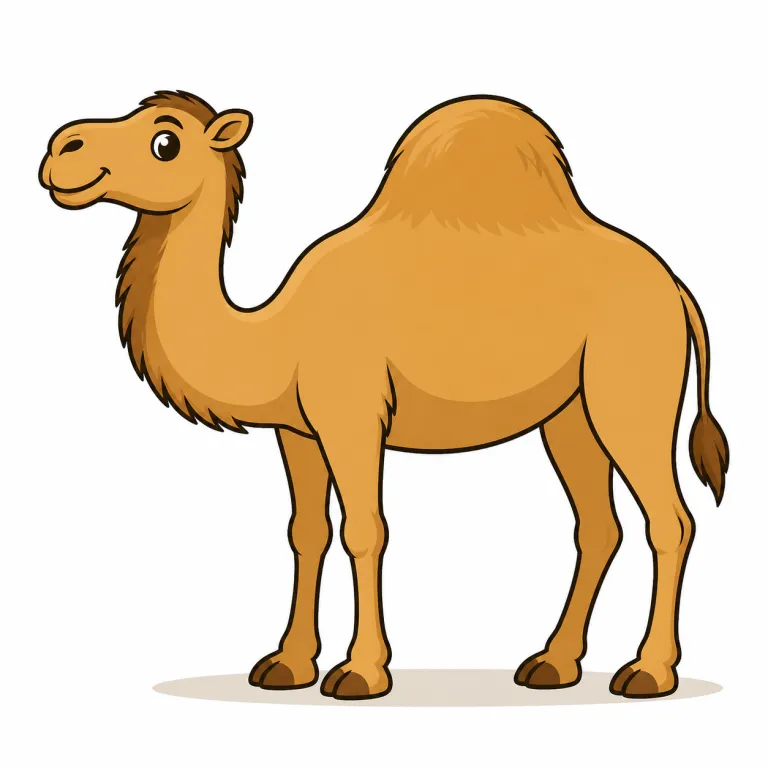
こぶや隆起がある状態を表します。ラクダの背中や、中央が盛り上がった橋のような形に使われます。
Humped describes something that has a raised, rounded shape like a hump. It is often used for backs, animals, or land that curves upward. The word is not very common in general conversation and is usually used in descriptive writing.
hump を知っていれば、そのまま思い出しやすい語です。-ed は「〜の形をした・〜の状態になった」を作るので、humped で「こぶのある、途中が盛り上がった」。humpback(こぶ背)、one-humped camel / two-humped camel と結びつけると形の像が固定されます。humped bridge のように、全体が丸いというより中央や一部がぽこんと持ち上がる感じです。
Start with `hump`, a raised round part. The ending `-ed` means “having that shape,” so `humped` means something has a hump or rises in the middle. Link it with `one-humped camel`, `two-humped camel`, or a `humped bridge`.
The old humped bridge crossed a narrow canal.
古い太鼓橋が狭い運河にかかっていました。
A camel's humped back is instantly recognizable.
ラクダのこぶのある背中は一目でそれと分かります。
The humped section of road made the car bounce.
道の盛り上がった部分で車が跳ねました。
文脈によって、次の意味でも使われます。
動詞 hump の過去形・過去分詞で、重い荷物を背負ったり、力を込めて運んだりしたことを表す。主にくだけた英国英語で hump something up や hump something along などと使い、苦労して運ぶ感じを伴う。
動詞 hump の過去形・過去分詞として、人や動物が性交したことを粗野に表す俗語。人を目的語に取ることがあり、下品で侮辱的に響く場合もあるため、丁寧な会話や公的な場面では避けられる。
「humped」は hump「こぶ・盛り上がり」に形容詞化の -ed が付いた語で、hump は中英語を経てオランダ語系の「塊・隆起」に通じるとされます。humpback や humpy にも同じ隆起の感覚が残り、「こぶした」という形の意味がそのまま読み取れます。
Humped comes from hump with the adjective ending -ed, meaning "having a hump" or "made into a hump-like shape." Hump came into English through Middle English and is believed to be linked to Dutch or other Germanic words for a lump or raised mass. The central idea has stayed the same: a rounded rise or bulge; related words include humpback and humpy.
この英単語をクイズで覚えよう