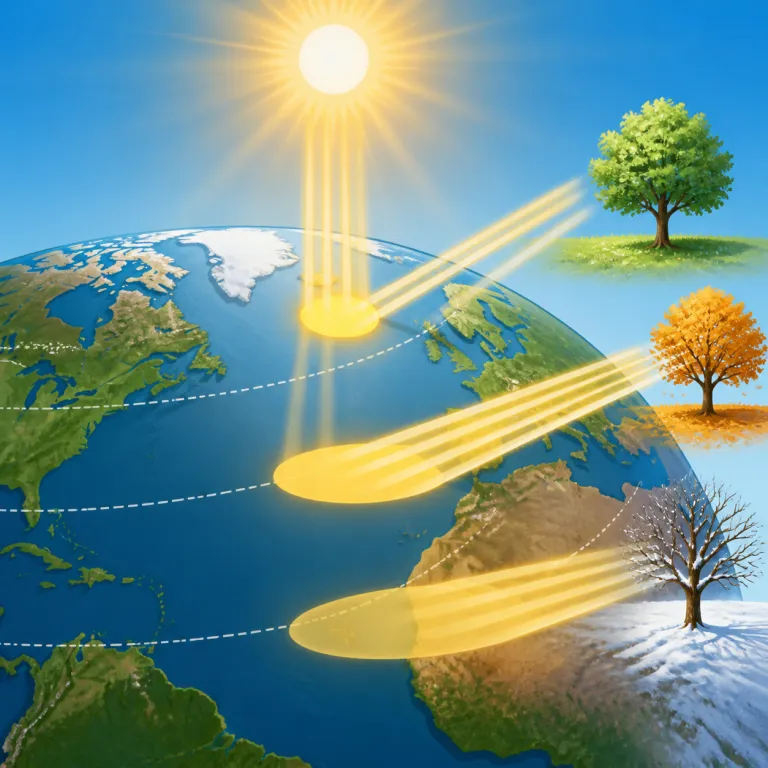
日射量
解説 Definition
日射量。太陽からの放射エネルギーが表面に当たる量。
Insolation means the amount of sunlight or solar energy that reaches a place. The word is common in geography, weather, and solar energy studies.
覚え方のコツ Memory Tip
insolation は solar panel / solar energy の solar と同じ『太陽・日光』グループの専門語としてまとめて覚えると残りやすいです。天気・地理・気候の文脈で、単なる暑さではなく『ある地点がどれだけ日光を受けるかという量』を表します。summer brings high insolation, surface insolation のように、数値化・比較の対象になりやすい語です。insulation(断熱)や isolation(孤立)とつづりがかなり近いので混同に注意。
Notice the `sol` part, the same root linked with the sun. That helps you remember this is a technical sun word, often used in weather or geography. Watch the spelling: `insolation` is about sunlight, while `insulation` is different.
例文
Insolation varies with latitude and season.
日射量は緯度と季節によって異なる。
Solar panels need adequate insolation to operate efficiently.
太陽光パネルが効率よく動作するには、十分な日射量が必要だ。
The insolation level affects crop growth.
日射量は作物の成長に影響を与える。
insolation の類義語・関連語
対義語
紛らわしい語
insolation の語源・成り立ち Etymology
insolation はラテン語 insolare「日に当てる」に由来し、in-「中へ」+ sol「太陽」+ -ation「こと」から成ります。関連語は solar, parasol。つまり『太陽にさらされること』が、そのまま日射量という意味になった語です。
Insolation comes from Latin insolare, meaning "to expose to the sun." It is built from in- and sol, meaning "sun," with the noun ending -ation added in English. The word kept the basic idea of being under the sun and came to refer to the amount of the sun's rays reaching a place; compare solar and parasol.
同じレベルの語彙をもっと
外部辞書で調べる
この英単語をクイズで覚えよう