
〜の中へ、〜の中に入って
解説 Definition
外側から内側への移動や変化の到達先を示す前置詞です。単なる位置を表す in と違い、「中へ入る」「ある状態へ変わる」という動きの感覚を含みます。go into a room のような具体的移動だけでなく、turn into water のように変化先を示す用法も重要です。
Used to show movement from outside to inside a place, space, or container. It can also show a change into a new condition, form, or situation. It often follows verbs like go, come, put, and fall.
覚え方のコツ Memory Tip
into は in よりも「動いて中へ入る」「ある状態に変わっていく」感覚が強いと覚えると使い分けやすいです。go into the room なら外から中へ、look into the problem なら問題の中身へ踏み込む、change into a butterfly なら別の姿への変化です。静かな位置だけなら in、方向や到達点があれば into を選ぶ、と整理すると定着します。なお in to は2語に分かれる場合もあり、log in to the site などと混同しないのがコツです。
Think of `in` plus movement: `into` is not just being inside, but going from outside to inside. This also helps with change, as in `change into`, where something moves into a new form. If there is direction or a result, `into` is often the better choice than `in`.
例文
The cat jumps into the box.
猫が箱の中へ飛び込みます。
She goes into the house.
彼女は家の中へ入ります。
Put the ball into the bag.
ボールをかばんの中へ入れなさい。
〜にして
(意味 2)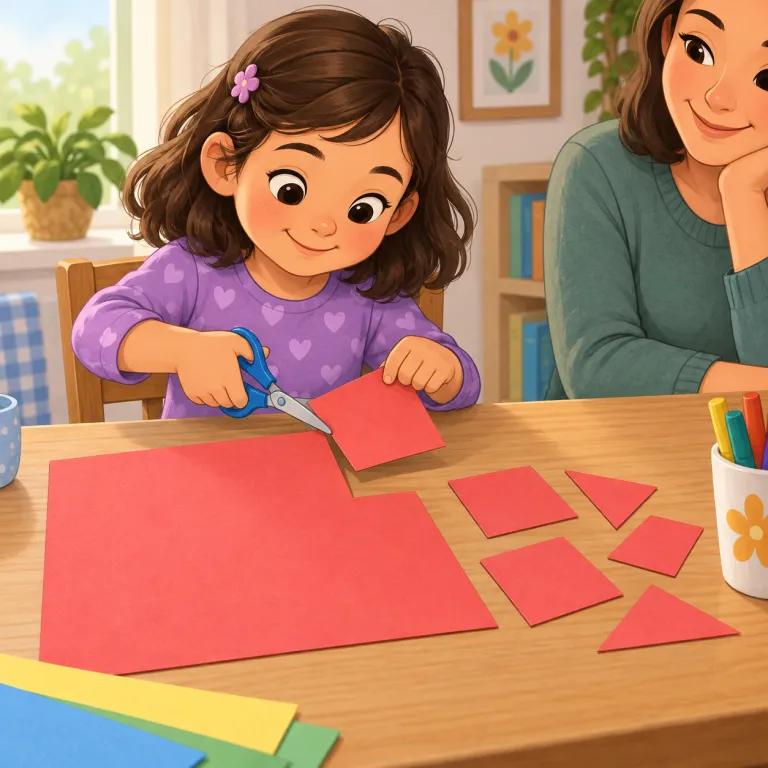
解説 Definition
into は、物や情報が別の形・状態・言語などに変化した結果を示す前置詞。cut, turn, change, translate などとよく使い、「何をどんな姿にするか」「何に変わるか」を表す。場所への移動ではなく、変化後の姿や分類先に注目する。
This preposition introduces the form, state, or language that results from a change. It commonly follows verbs such as cut, turn, change, and translate.
例文
She cut the paper into small pieces.
彼女は紙を小さく切り分けた。
He turned the box into a toy.
彼はその箱をおもちゃに変えた。
We cut the cake into six pieces.
私たちはケーキを6つに切った。
into の類義語・関連語
into の語源・成り立ち Etymology
in と to が結びついてできた語で、古くから「中へ向かって」という方向性を表してきました。in の内側の感覚に、to の到達点の感覚が加わった形だと考えると理解しやすい語です。
Into was formed by joining in and to in Old English. It combined the sense of being inside from in with the sense of movement toward a goal from to. Because of this, it came to show motion from outside to the inside of something.
同じレベルの語彙をもっと
外部辞書で調べる
この英単語をクイズで覚えよう