
to
to は英検7級レベルの英単語で、「〜へ、〜に、〜すること、〜まで」という意味があります。発音記号は /tuː/ です。
〜へ、〜に
解説 Definition
方向、到達点、相手、範囲の終点などを示す非常に基本的な語で、日本語の「〜へ」「〜に」「〜まで」に当たる。go to school のような移動先だけでなく、give it to me の受け手、from A to B の到点、to study のような不定詞のしるしとしても使われる。
Usually used to show direction, movement, or a relationship such as giving, sending, or connecting. It is also used before the base form of a verb to make an infinitive, showing purpose or intention. Because it has several grammar roles, its meaning depends strongly on the structure around it.
覚え方のコツ Memory Tip
to は「→」の矢印で覚えると用法がまとまる。go to school は場所へ向かう、give it to me は相手へ渡る、from A to B は終点まで届く、be kind to children は態度が相手に向く、listen to music も意識が音へ向く感覚。for は目的・利益、at は一点、in は内側。迷ったら『何かがどこへ向くか』で考えると整理しやすい。なお go home のように副詞化した語には to を置かない点も一緒に覚えると混乱しにくい。
A good memory image for `to` is an arrow: something moves or points toward something else. That helps with many patterns: `go to school`, `give it to me`, `listen to music`, `be kind to children`. If you feel direction or focus moving toward a target, `to` often fits. Also remember the exception pattern `go home`, where English does not use `to`.
例文
I go to school.
私は学校へ行きます。
She runs to the park.
彼女は公園まで走ります。
We walk to the shop.
私たちは店まで歩きます。
〜すること
(意味 2)
解説 Definition
動詞の前に置いて不定詞を作り、「〜すること」という内容や「〜するため」という目的を表す。希望・計画・必要・意図を述べる文で特によく使われ、後ろにはふつう動詞の原形が続く。名詞や形容詞の後ろで補足説明になることも多い。
A grammatical marker placed before the base form of a verb, forming an infinitive. It introduces an action as the content of a wish, plan, or need, or expresses the purpose of another action. It can also introduce extra information after a noun or adjective.
覚え方のコツ Memory Tip
to は動詞の前で「これから向かう動作」を示す印として覚えると、不定詞の「〜すること」がつかみやすい。I want to learn English. なら、気持ちが learn という動作へ向かうので「学ぶことを望む」。He saved money to buy a bike. なら、お金をためる行動が buy へ向かい「買うために」。go to school のような場所への矢印ではなく、ここでは後ろの動詞へ矢印が向くと切り分ける。名詞的に「〜すること」、目的で「〜するため」と訳せるが、どちらも動作への方向づけだと考えると整理しやすい。
Picture to as an arrow pointing toward the action named by the next verb. In want to learn, the wish points toward learning; in save money to buy a bike, saving points toward the purpose of buying. Remember that the following verb normally stays in its base form.
例文
I want to learn English.
私は英語を学びたい。
He saved money to buy a bike.
彼は自転車を買うためにお金をためた。
To read every day is important.
毎日読むことは大切だ。
〜まで
(意味 3)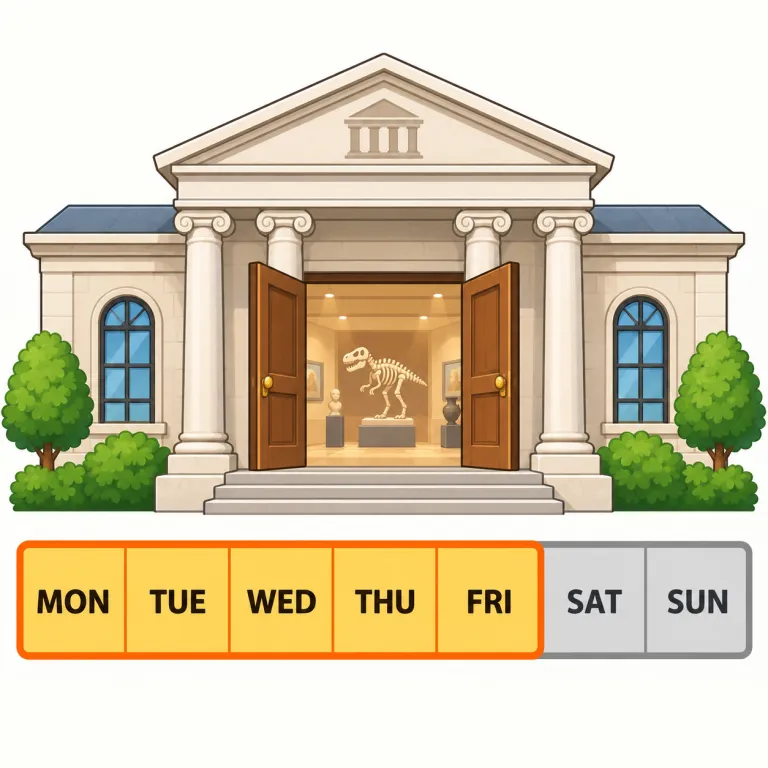
解説 Definition
時間・数量・範囲・場所などの終点や上限を示し、「〜まで」と訳す。from A to B、Monday to Friday のように、どこまで・いつまで・いくつまで届くかを表すときに使う。方向の「〜へ」とは別に、到達点や区切りを意識する用法である。
A preposition marking the endpoint or upper limit of a period, quantity, distance, or range. It often pairs with from, marking where a range ends after its starting point has been given.
例文
The store is open from 9 to 5.
その店は9時から5時まで開いている。
The museum is open Monday to Friday.
その博物館は月曜から金曜まで開いている。
The numbers go from one to ten.
数字は1から10までです。
to の類義語・関連語
to の語源・成り立ち Etymology
古英語 tō にさかのぼり、さらにゲルマン祖語の「方向・到達」を表す形に由来する。現代英語でも核心は「何かが向かう先」で、そこから相手・範囲・目的を示す用法や不定詞標識へ発展した。極めて基本的だが意味の広がりが大きい語である。
To comes from Old English to and goes back to a Germanic root about direction or reaching toward something. Its central idea was movement toward an end point. From that base, its uses spread widely, including purpose, relation, range, and later the infinitive marker seen in forms like to go.
同じレベルの語彙をもっと
英検7級の一覧へ →外部辞書で調べる
この英単語をクイズで覚えよう