まさか、ああ困った
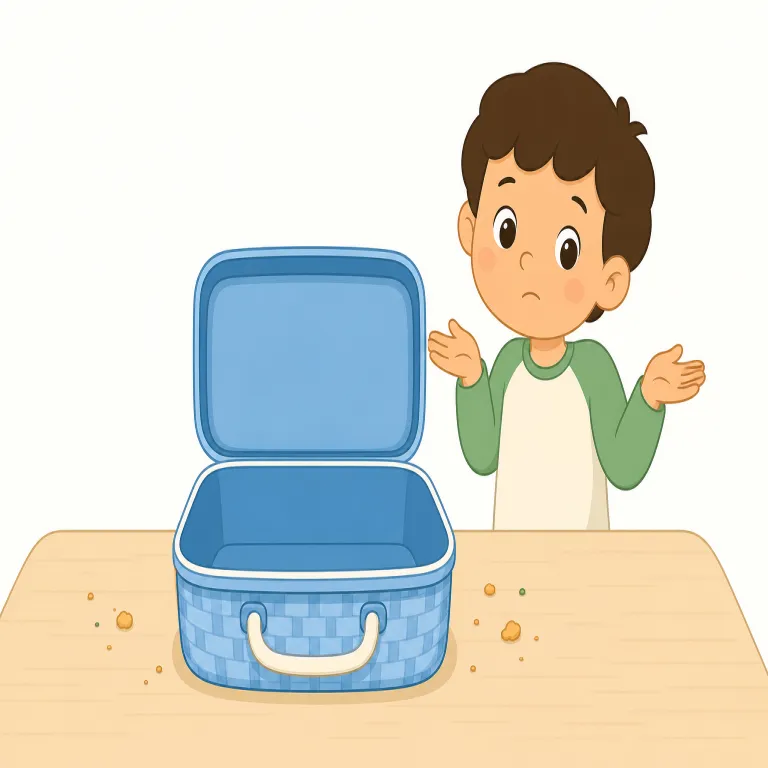
interjection 感嘆詞好ましくない事態を知ったときに、驚き・落胆・困惑などを表す間投詞として使います。Oh no! の形が典型的で、質問に否定で答える「いいえ」とは異なり、出来事への感情的な反応を示します。
no は英検7級レベルの英単語で、「ない、いいえ」という意味があります。発音記号は /noʊ/ です。
no は数量や存在がゼロであることを示す基本的な否定語で、名詞の前で「ひとつも〜ない」「全く〜ない」を表す。また、質問への短い返答として「いいえ」にもなる。not よりも名詞を直接否定する形が中心で、簡潔で強い否定を作る。
Used to give a negative answer or to show that something does not exist, is not allowed, or is not true. Before a noun, it means "not any." In conversation, it can sound direct, so tone is important.
no は「ゼロにする否定」と覚えると整理しやすい。not は文全体や動詞を否定するが、no は名詞の前に置いて no money, no time, no reason のように「お金ゼロ・時間ゼロ・理由ゼロ」と直接打ち消す。返答では Yes/No の no で「いいえ」。There is no ... は「存在しない」の定番。none や not any と近いが、no + 名詞が最短で強い。No problem, No way, no longer までまとめて触れると、会話でも文章でも同じ核で思い出しやすい。
Remember `no` as a zero word. Before a noun, it means zero of that thing: `no money`, `no reason`, `no time`. This makes it easy to separate from `not`, which usually negates a whole verb phrase instead.
There is no milk today.
今日は牛乳がない。
I have no pen.
私はペンを持っていない。
There are no books here.
ここには本がない。
文脈によって、次の意味でも使われます。
好ましくない事態を知ったときに、驚き・落胆・困惑などを表す間投詞として使います。Oh no! の形が典型的で、質問に否定で答える「いいえ」とは異なり、出来事への感情的な反応を示します。
古英語の nā に由来し、ne「〜でない」と ā「いつでも」の結合から生まれた。もとは「決して〜ない」という強い否定で、そこから現代英語の no や返答の「いいえ」へ発展した。
No comes from Old English na, formed from ne, meaning not, and a, meaning ever. It originally had the strong sense of not ever or never. Later it developed into the basic negative word no and also the reply word meaning a negative answer.
この英単語をクイズで覚えよう