洗浄する、洗い流す
verb 動詞医療で、傷口や体腔に水や薬液を流し込み、異物や分泌物を洗い流すことを表します。irrigate a wound のように処置する部位を目的語に取り、農地へ水を供給する語義とは区別されます。
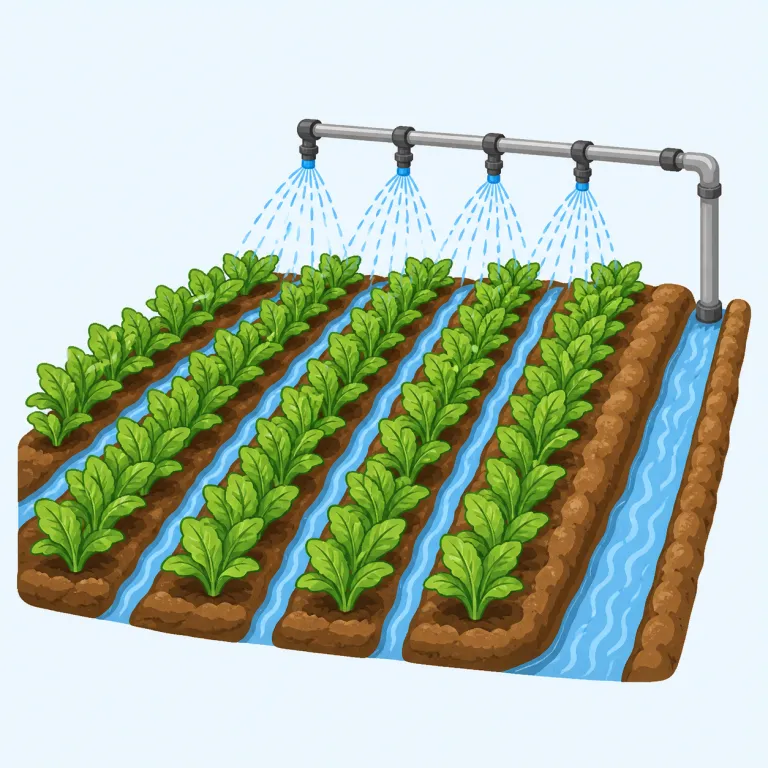
irrigate は英検1級レベルの英単語で、「灌漑する」という意味があります。発音記号は /ˈɪrɪɡeɪt/ です。
人工的に水を供給する、特に農業用に。乾いた土地に水路を通して水を流すこと。
To irrigate means to supply water to land or crops, usually by using canals, pipes, or other systems. It is mainly used in farming and land management.
irrigate は名詞 irrigation(灌漑)とセットで覚えると強い。地理や農業で見る irrigation system の「実際に水を引く動作」が irrigate。意味は単なる water ではなく、乾いた fields や land、crops に水路・管・設備で計画的に水を回すこと。collocation は irrigate fields / land / crops。cultivate は耕す、irritate はいら立たせるで別語なので混同しない。
Learn `irrigate` together with `irrigation`. It is not just giving water in general, but moving water to dry land or crops in a planned way. Remember common pairs like `irrigate fields` or `irrigate crops`, and do not confuse it with `irritate`.
The farmer decided to irrigate the fields during the dry season.
その農民は乾季に畑を灌漑することに決めた。
Farmers irrigate the land using modern pipe systems.
農民は近代的なパイプシステムで土地を灌漑する。
The village built a canal to irrigate the dry farmland.
その村は乾いた農地を灌漑するために運河を造った。
文脈によって、次の意味でも使われます。
医療で、傷口や体腔に水や薬液を流し込み、異物や分泌物を洗い流すことを表します。irrigate a wound のように処置する部位を目的語に取り、農地へ水を供給する語義とは区別されます。
irrigate はラテン語 irrigare「水を引き入れる」からで、in-「中へ」+ rigare「ぬらす・水をやる」に分けられます。irrigation や subirrigation と同根で、「土地の中へ水を送り込む」という像が、そのまま「灌漑する」です。
Irrigate comes from Latin irrigare, meaning "to water" or "lead water to," from in- "into" and rigare "to wet" or "water." The original image is sending water into land or soil. That meaning stayed very close as the word developed into its modern agricultural use. Related words include irrigation and subirrigation.
この英単語をクイズで覚えよう