安全地帯、交通島
noun 名詞道路の中央などに設けられ、歩行者の待避や車の流れの分離に使われる区画を指します。traffic islandの形が一般的で、水に囲まれた自然の島ではありません。
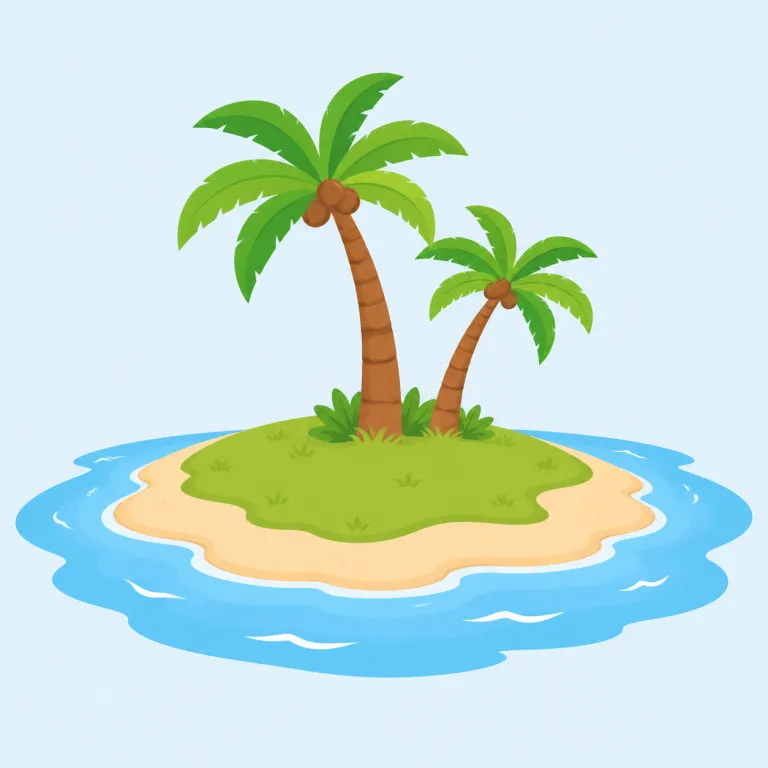
island は英検5級・英検6級レベルの英単語で、「島」という意味があります。発音記号は /ˈaɪlənd/ です。
島とは、四方を水に囲まれた陸地のことで、大陸よりも小さいものを指します。海や湖、川の中に存在し、独自の生態系や文化を持つことがあります。日本は多くの島から構成される島国として知られています。
An island is a piece of land that has water all around it. Islands can be very small or very large, and some have towns or even whole countries on them. The word is used in geography and travel contexts.
まず中に land が入っていると見ると覚えやすいです。island は「水に切り取られた land」で、陸地ではあるが周囲が水、という像を持つと定着します。使う場面では desert island(無人島のイメージで出やすい), island nation(島国)をセットで覚えると実用的です。紛らわしいのは peninsula(半島)で、こちらは陸続き。なお s は書くが読まないので、発音は /ailənd/ とセットで固定すると混乱しません。
Notice that `island` contains `land`. That gives you a strong image: land with water all around it. Useful phrases like `desert island` and `island nation` help fix the word in memory. One extra hook: the `s` is written but not pronounced.
This island is small.
この島は小さいです。
I see an island.
私は島が見えます。
The island has many trees.
その島には木がたくさんあります。
この語をはじめて出題された 46人 のうち 42人 が正解しました(91%)。
えいたんごクイズの回答から集計した独自データです。1人につき最初に出題されたときの1回だけを数えており、復習や2回目以降の回答、「わからない」と時間切れは含みません。 集計時点は 2026年9月19日 です。
文脈によって、次の意味でも使われます。
道路の中央などに設けられ、歩行者の待避や車の流れの分離に使われる区画を指します。traffic islandの形が一般的で、水に囲まれた自然の島ではありません。
台所の壁から離して中央付近に設置する、独立した調理台や収納設備を指します。kitchen islandと呼ぶことが多く、調理、配膳、食事などに利用されます。
語源は古英語ieglandで、ieg「水に囲まれた土地」+ land「陸地」の複合です。今のつづりのsは後にisleの影響で入っただけなので発音しないのが腑に落ちます。同根語にeyotやaitがあります。
"Island" comes from Old English "iegland," a compound of a word meaning "water-surrounded land" and "land." The modern spelling gained an "s" later because people connected it with "isle," even though that letter was not part of the original word. That is why the "s" is still silent, and older related forms include "eyot" and "ait."
この英単語をクイズで覚えよう
island の収録語義を確認して、まとめて学べる単語帳を選べます。
収録語義:島
作成者:西村/learningBOX/競プロアカ