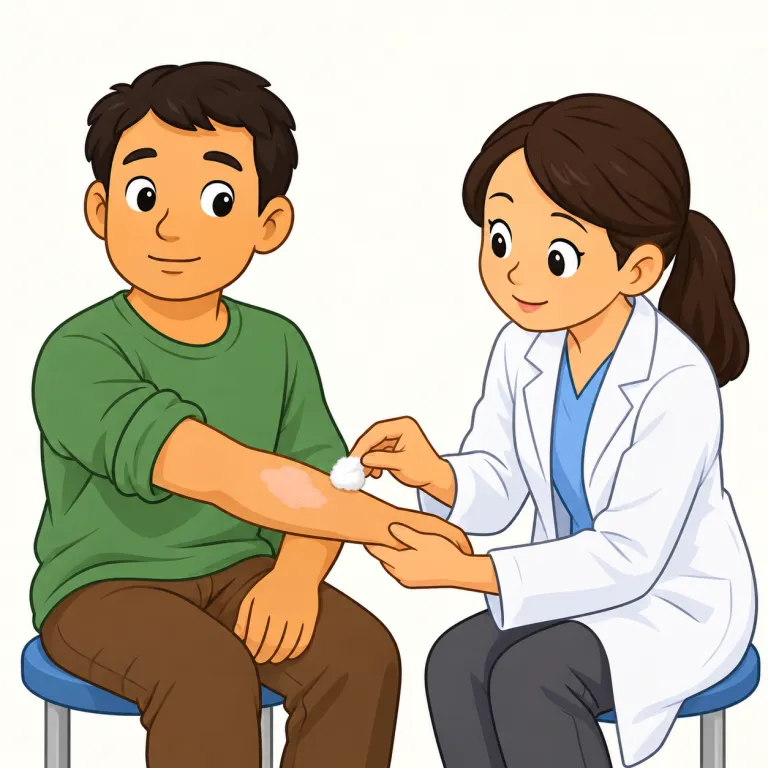
ハンセン病の
解説 Definition
leprous は、ハンセン病にかかっている、またはハンセン病に関連することを表す形容詞です。歴史的な文献や古い表現で見られる語ですが、現在では古風または差別的に響くことがあるため、現代的な文脈ではより中立的な表現が選ばれることもあります。
Leprous means related to or affected by leprosy, also called Hansen's disease. It is a medical or historical word rather than one used in everyday speech. In modern use, writers often choose more careful wording such as affected by leprosy.
覚え方のコツ Memory Tip
leprosy(ハンセン病)を知っていれば、その形容詞形が leprous。-ous は dangerous, famous, poisonous などと同じく「〜の性質をもつ」という形なので、「leprosy に関する状態」とまとめて覚えると定着しやすいです。歴史文献では leprous skin のように出ますが、現代英語で人に直接使うと古風で差別的に響きやすい点に注意。病名は leprosy、患者を指す古い語は leper、形容詞が leprous と整理すると混同しません。
Connect it to `leprosy` first, then see `leprous` as the adjective form. The ending `-ous` works like in `dangerous` or `poisonous`, so it helps signal "having the nature of." It is also useful to sort the family clearly: `leprosy` is the disease, `leper` is an old noun, and `leprous` is the adjective. That three-part pattern makes it easier to remember.
例文
Historical records show that leprous patients were often isolated.
歴史記録によれば、ハンセン病の患者はしばしば隔離されていた。
The doctor examined the leprous skin lesions carefully.
医師はハンセン病による皮膚病変を注意深く診察した。
In modern writing, leprous is often replaced with more respectful terms.
現代の文章では、leprous という語はより配慮のある表現に置き換えられることが多い。
leprous の類義語・関連語
派生語
leprous の語源・成り立ち Etymology
leprousは後期ラテン語leprosusを経て、ギリシャ語lepros「鱗のある・皮膚がざらつく」にさかのぼります。語幹lepr-に形容詞語尾-ousがつき、「鱗状の皮膚の」という感覚が病名化した語です。関連語はleprosyとleper。
Leprous comes through Late Latin `leprosus` from Greek `lepros`, meaning "scaly" or "rough-skinned." The adjective ending `-ous` was added in English to form a descriptive word. The original idea was about scaly skin, which later became closely linked with the disease name; related English words are `leprosy` and `leper`.
同じレベルの語彙をもっと
外部辞書で調べる
この英単語をクイズで覚えよう