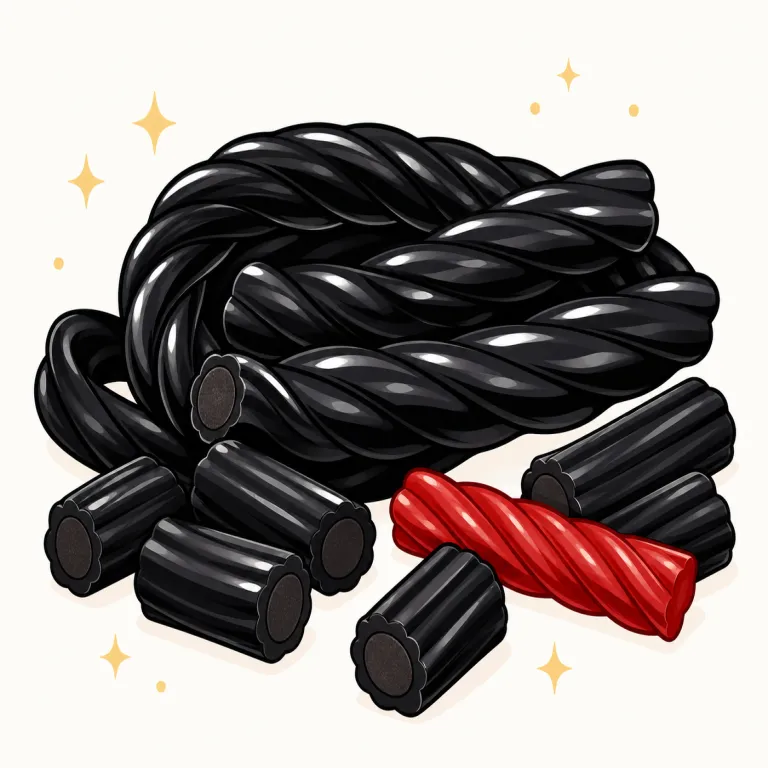
リコリス菓子
noun 名詞甘草で風味を付けた、通常は黒色の菓子を指す名詞です。ひも状や小片などさまざまな形で販売され、菓子そのものについてlicoriceが可算・不可算の両方で使われます。
甘草植物の根から得られた甘味料で、黒いお菓子やお茶に使用されます。独特の甘い風味を持つ植物性物質で、医療や食品業界で広く利用されています。
Licorice is a plant whose root has a naturally sweet taste. The word can also mean candy flavored with this root. In American English, this spelling is standard; British English often uses "liquorice."
まず black licorice, licorice tea, licorice root, licorice extract という頻出のまとまりで覚えると定着しやすいです。英語では「甘草そのもの」と「甘草味の食品・成分」の両方を指せます。つづりは liquor に似ていますが alcohol とは無関係なので、酒ではなくハーブ・漢方・のど飴・黒いキャンディーの文脈を結びつけるのがコツです。なお英式では liquorice と書くこともあり、別語だと思わないよう注意。
Remember `licorice` through common phrases like `black licorice`, `licorice tea`, and `licorice root`. The spelling looks a bit like `liquor`, but it has nothing to do with alcohol. Also note that British English often spells it `liquorice`.
Licorice root has been used in traditional medicine for centuries.
甘草の根は何世紀にもわたって伝統医学で使用されてきた。
The candy has a distinctive licorice flavor that some people love and others hate.
そのお菓子には独特の甘草の風味があり、好きな人もいれば嫌いな人もいる。
Licorice extract is commonly added to herbal teas for its sweet taste.
甘草エキスは、甘みを加えるためにハーブティーによく使われる。
文脈によって、次の意味でも使われます。
甘草で風味を付けた、通常は黒色の菓子を指す名詞です。ひも状や小片などさまざまな形で販売され、菓子そのものについてlicoriceが可算・不可算の両方で使われます。
licorice は古フランス語・中世ラテン語を経て、ギリシャ語 glykyrrhiza にさかのぼる。glyky- は「甘い」、rhiza は「根」で、glycogen や rhizome と同じ要素を含むため、「甘い根」がそのまま甘草の名になったと分かる。
Licorice goes back through Old French and Medieval Latin to Greek glykyrrhiza. This Greek word joined glykys, meaning "sweet," and rhiza, meaning "root." So the name originally meant "sweet root," and that literal description became the plant’s name in later languages. Related roots appear in words such as glycogen and rhizome.
この英単語をクイズで覚えよう