えいたんごクイズ

lit

/lɪt/

意味一覧 (4件)

adjective

らされた

解説 Definition

形容詞の lit は、光に当たって明るく見える状態を表す。街路や部屋、舞台などが照明で見やすくなっている場面でよく使い、単に火がついたという動作より、周囲が照らされている結果の状態に焦点がある。写真や情景描写でも頻出する。

As an adjective, lit describes something that is bright because light is shining on it. It is often used for places such as rooms, streets, or stages when they are made easy to see by lamps or other lighting. The word focuses on the result or state of being illuminated, not simply the action of starting a fire. It is also common in photos and scene descriptions.

覚え方のコツ Memory Tip

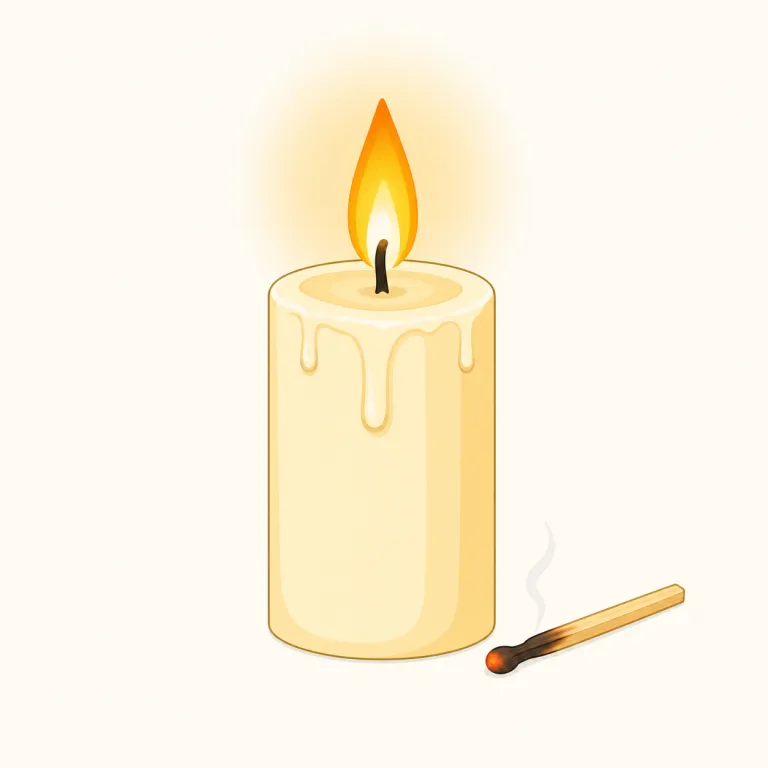
light を知っていれば、「明かりをつける→その結果、火がついた・照らされた状態」が lit。語尾が変わる不規則形なので、原形 light とセットで丸ごと結ぶのが近道です。a lit candle, the room was lit, a fire was lit のように、ろうそく・火・部屋の明るさでよく出ます。受け身や状態描写で見かけやすい語です。lighted もあるものの、火やランプでは lit がかなり自然。なお口語の That’s lit. は「最高だ」の別義スラングなので混同に注意。

If you know light, connect it directly to lit: first you light something, and then it is lit. This helps you remember the irregular form as one set instead of studying it alone. Think of common phrases like a lit candle, the room was lit, or a fire was lit. Be careful not to confuse it with the slang meaning in That's lit, which means something like "awesome."

例文

The room was softly lit by a single lamp.

その部屋は一つのランプでやわらかく照らされていた。

We walked down a well-lit street after the concert.

私たちはコンサートのあと、明るく照らされた通りを歩いた。

In the photo, her face is lit from the side by the morning sun.

その写真では、彼女の顔が朝日の横光で照らされている。

verb

がつけられた、かりがついた

(意味 2)

解説 Definition

light の過去形・過去分詞で、火や明かりがつけられた状態を表します。ろうそくやたき火、ランプなどに火をつける場面で使われるほか、受け身的に「点火された」「灯された」という意味でも用いられます。

Lit is the past tense and past participle of "light." It means something was set on fire or made bright with light. It is often used for candles, fires, lamps, and similar things.

覚え方のコツ Memory Tip

この lit は、誰かが「火をつけた」という行為ではなく、火や明かりがすでについている状態を表す用法として覚えます。the candle was lit なら「ろうそくに火がともされていた」、the room was lit なら「部屋が明るく照らされていた」という受け身・状態描写です。同じ lit に基本義「火をつけた」もありますが、このエントリでは主語が火をつける側ではなく、火や光を受けた側になる点を意識すると区別しやすいです。

Learn it together with `light`, because `lit` is its irregular past form. Think: you `light` a candle, and then the candle is `lit`. Be careful that `lit` can also be slang in casual English, but the basic memory hook is still `light -> lit`.

例文

The fire was lit and the house burned down.

火がつけられ、その家は焼け落ちました。

The candles were lit before the guests arrived.

客が来る前にろうそくに火がともされました。

The street lamps were lit at dusk.

夕暮れに街灯がともされました。

verb

をつけた

(意味 3)

解説 Definition

lit は light の過去形で、ろうそく・マッチ・たき火・たばこなどに実際に火をつけたことを表します。主語が人で、何かを燃え始めさせる場面に使うのが中心です。

Lit is the past form of the verb light when it means to make something start burning. It is mainly used when a person causes something such as a candle, match, fire, or cigarette to catch fire. The focus is on the action of starting the flame, not just on something being bright or already burning.

覚え方のコツ Memory Tip

lit は light の不規則な過去形です。light には「光」だけでなく動詞で「火をつける、明かりをつける」があり、light a candle が過去になると lit a candle になります。ignite はやや硬く「点火する」、start a fire は「火を起こす」に近い表現です。ここでは a lit candle のような状態描写ではなく、主語が実際に火をつけた行為として覚えると区別しやすくなります。

Remember that lit is the irregular past form of light as a verb, not the noun light. If you light a candle now, you lit a candle in the past. This word is about the action of starting a fire or flame, so keep it separate from expressions like a lit candle, which describe a state.

例文

She lit a candle and placed it by the window.

彼女はろうそくに火をつけて、窓辺に置いた。

He lit the campfire just before sunset.

彼は日暮れの直前にたき火に火をつけた。

Someone had lit a cigarette outside the restaurant.

だれかがレストランの外でたばこに火をつけていた。

adjective

ちょうがった

(意味 4)

解説 Definition

口語の lit は、場の雰囲気や出来事が非常に楽しく、強く盛り上がっていることを表す。パーティー、ライブ、週末の集まりなどでよく使われ、若者言葉としてテンションの高さや勢いをくだけて伝える。人や物をほめる感じで使うこともある。

In informal English, lit means very exciting, fun, and full of energy. It is often used to describe a party, concert, or event where people are having a great time. Young speakers use it to show a high level of excitement in a casual way. It can also be used to praise something that feels especially cool or impressive.

例文

The party was so lit that nobody wanted to go home.

そのパーティーは超盛り上がっていて、誰も帰りたがらなかった。

Last night's concert was absolutely lit from start to finish.

昨夜のライブは最初から最後まで超盛り上がっていた。

Their weekend barbecue turned into a lit little gathering with music and dancing.

週末のバーベキューは、音楽とダンスで超盛り上がった集まりになった。

lit の語源・成り立ち Etymology

古英語 lȳtan(照らす)から派生し、light の過去形。印欧祖語 *leuk-(光、輝き)が語根で、ラテン語 lux(光)やギリシャ語 leukos(白い)と同根。関連語: light, luminous。「光を放つ」が原義で、火がつく・照らされる意味に発展した。

Lit comes from Old English forms related to lighting or making something bright, and it is the past form of light. Its deeper root is Indo-European *leuk-, meaning "light" or "brightness," which is also seen in Latin lux and Greek leukos. The original idea was giving off light, and later it developed into the meanings "set on fire" and "illuminated."

外部辞書で調べる

この単語を英単語クイズで覚えよう